

Nobody thinks about the furnace in October. Then the first chilly week lands, half the valley flips to heat on the same night, and the appointment books fill up with people whose furnaces didn’t answer the call. A furnace tune-up in Las Vegas works best as a September or October errand, before that rush, and this post walks through exactly what happens during one. Maybe you’ve put it off because nobody ever told you what the money actually buys. Fair enough. That’s what this post is for. The short version is booking a fall heating tune-up with Pure Plumbing & Air and letting the tech do the explaining in person.
The timing matters extra in this valley. Furnaces here sit idle for eight months, problems develop quietly in storage, and they all announce themselves the same week. Knowing when to switch from AC to heat lets you pick that week on purpose instead of letting the weather pick it for you.
One Service, Three Names
Some vocabulary first, because three phrases float around this topic and people pay for the wrong service because of it. A tune-up and a furnace cleaning are basically the same appointment at most companies. One tech, one checklist, about an hour. The cleaning part is just what happens during the tune-up anyway, the burners, the flame sensor, the blower, all the stuff that spends a year collecting dust. So no, you weren’t lost if you searched for a furnace cleaning and ended up reading about tune-ups. Different name, same service.
Duct cleaning is the odd one out. It isn’t furnace work at all. It happens in the air passages that run through your attic and your walls, uses different equipment, and runs on its own timeline, which is why how long duct cleaning takes gets answered on its own page instead of here. Hire a furnace visit and your ducts stay dirty. Hire a duct crew and your furnace stays untuned. Half of booking right is just knowing which problem you actually have.
The Checklist, In the Order It Happens
So what does the hour contain? Here it is, roughly in the order the tech moves.
Combustion first. The burners either come out or get cleaned where they sit, since a year of dust changes how they fire. The flame sensor gets a polish. That little rod shuts down more furnaces every winter than almost anything else, and the fix is thirty seconds with the right abrasive. The igniter gets looked over for hairline cracks, the kind that survive October and then give up in January.
Then comes the part that justifies the whole visit. The tech inspects the heat exchanger, the metal chamber that keeps the burn’s exhaust walled off from the air you breathe. Cracks there are rare, serious, and invisible from the hallway, and catching one is the single best argument for having trained eyes inside the cabinet once a year. It’s also the reason the visit pairs well with a working CO alarm in the house, and carbon monoxide safety at home is worth a read on its own.
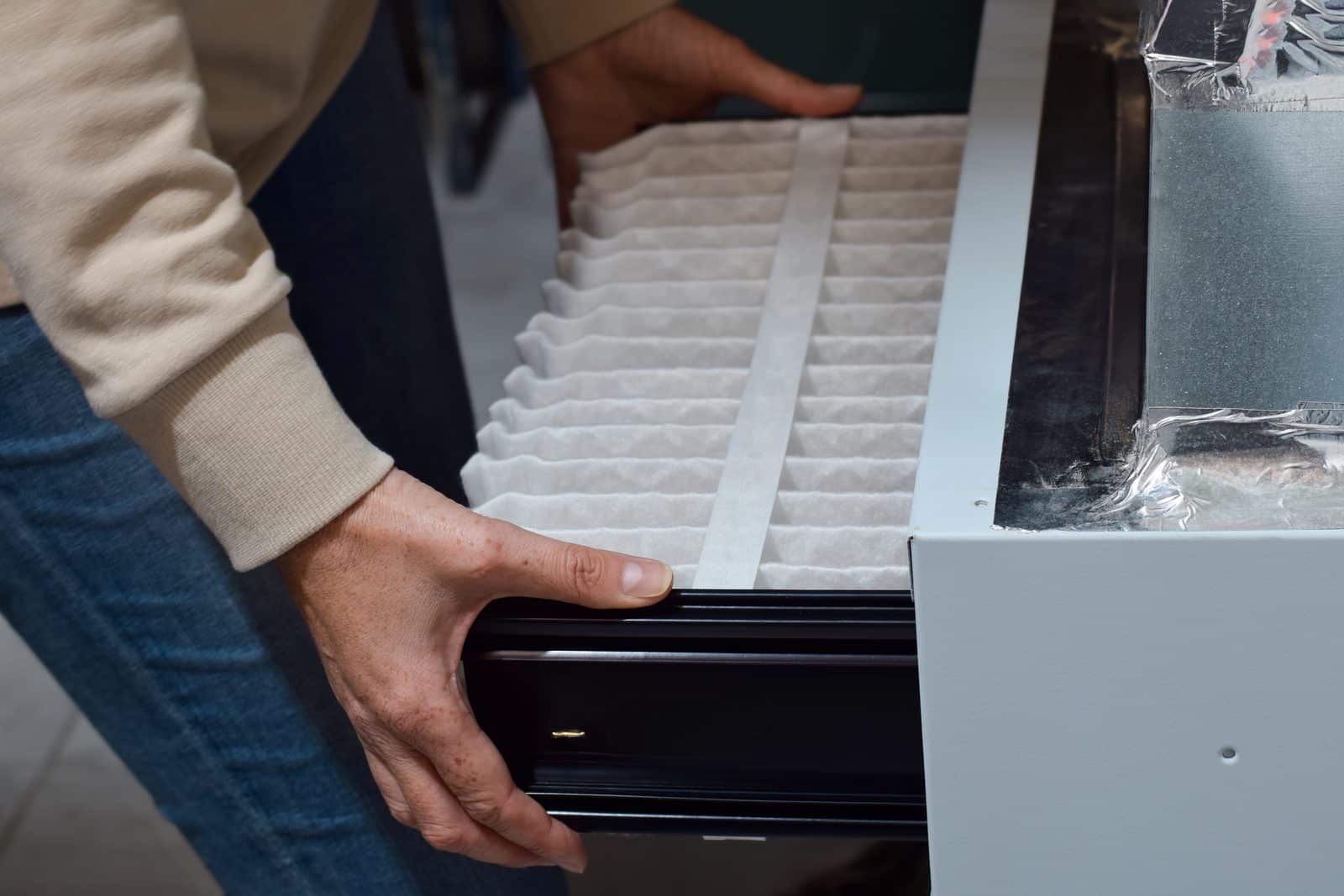
The airflow side follows. Filter checked or swapped, blower wheel looked over for dust load, motor listened to while it runs. Then the controls, the thermostat talking to the furnace properly, the safety switches doing their jobs, and the whole system test-fired and watched through a complete cycle.
One heads-up about that first test fire, or about your own first heat of the season. The dust that settled through the idle months cooks off the hot metal in the first minutes of operation, and the smell is strong enough to alarm somebody every single fall. Faint burning, a little acrid, gone within the hour, that’s the usual shape of it. There’s a full explanation of why a heater smells the first time it runs, but the short version is, brief and fading is normal.
The Hour, Give or Take
Plan on about an hour. That’s the honest typical for a system that gets seen every year, and it covers everything above. What stretches it is history. A furnace that’s gone a few years without service has a few years of dust and drift waiting in there, and a tech doing it properly cleans through all of it instead of skimming. Access matters too. Attic units take longer. So does anything buried behind holiday boxes in a packed closet.
Sometimes the hour turns something up. A cracked igniter, a capacitor reading weak, a heat exchanger the tech wants a second look at. None of that stretches the appointment itself. It turns into a separate conversation, a separate quote, a decision you get to make later on your own schedule. There’s no mystery to any of this and there shouldn’t be any pressure either. One ask worth making of whoever does the work. Get the findings on paper, even if the finding is that everything’s fine. Marked boxes on a checklist mean more than a thumbs-up from the driveway.
Heat Pumps Run a Different Calendar
One caveat. All of this is gas furnace territory. Heat pump owners live on a different calendar, because the heat pump never gets time off. The same machine cools the house in July and heats it in December, so it typically earns two service visits a year where a furnace earns one. It also just behaves differently in winter. Vent air feels milder, the cycles run longer, and every so often the thing pauses to defrost itself, which looks alarming if you grew up with gas heat. Before deciding yours is broken, read up on how heat pumps behave in winter. A decent share of heat pump complaints are really just descriptions of a heat pump working.
Your Half of the Maintenance
The annual visit covers the professional share. The homeowner share runs year-round and takes minutes. The filter carries the most weight here, since nearly every winter failure story in this valley starts with a filter nobody looked at, and changing your air filter on schedule is the cheapest insurance the system has. Keep the supply vents open and unblocked, even in rooms you don’t use, because closing them stresses the blower instead of saving money. Swap the thermostat batteries when you swap the filter and you’ll never think about them again. And pay attention through the opening days of heating season. New noises, smells that refuse to fade, cycles that feel shorter than they did last year. A five dollar filter changed on time outworks a surprising number of repair invoices. None of that demands action by itself, but all of it is worth mentioning while the tech is standing there.
Frequently Asked Questions
How long does a furnace cleaning take?
For the standard annual service, about an hour is the right expectation. The cleaning portion, burners, sensor, blower, takes most of that time. Add time if the system hasn’t been touched in years. If the tech finds a repair, that gets its own appointment and its own quote, not crammed into this one. One more scheduling note, early fall bookings get a tech with room in the day, not one racing between no-heat calls.
How often does a furnace need a tune-up?
Once a year. Before the first cold week, ideally, not in the middle of it. The yearly rhythm isn’t arbitrary. Dust accumulates on the furnace’s schedule, not the calendar’s, and a year of Vegas dust is a real workload. Gas equipment also deserves an annual safety look no matter how clean it stays.
Is a tune-up worth it on a newer furnace?
Yes, for two reasons that have nothing to do with age. The safety inspection matters on every gas appliance, new or old. And most manufacturer warranties expect documented annual maintenance, so skipping the visits can complicate a claim on exactly the furnace that’s young enough to still be covered.
What happens if you skip a year?
Usually? Nothing you’d notice, and that’s exactly the trap. The furnace still runs, just a bit dirtier, a bit less efficient, and whatever’s wearing out keeps wearing without anyone watching. String a few skipped years together and the math changes. Then the season’s first cold night doubles as your diagnostic appointment, at the worst timing, in the busiest week of the year. One hour each fall is cheap compared to being that phone call.
Next Steps for Las Vegas Homeowners
This time of year the to-do list is short, and nothing on it takes ten minutes.
1. Book for September or October if the calendar allows. The first-cold-week rush is real and you don’t want to be in it.
2. Change the filter today. Doesn’t matter what month it is. Then put the next change somewhere you’ll actually see it.
3. Run the heat for ten minutes sometime this week, before you need it, and note anything odd.
4. If the first-fire smell hasn’t faded within the hour, or anything sounds wrong, shut the system down and get a tech on it.
Heating is also only half of what this climate asks of your equipment. The cooling side carries the heavier load by far, and year-round HVAC maintenance keeps both halves on one schedule instead of two separate scrambles. For how the heating and cooling sides fit together, see our guide to how HVAC works in Las Vegas.
An hour in the fall, that’s the whole ask. The burners get cleaned, the sensor gets polished, the heat exchanger gets real eyes on it, and the system proves itself on a test fire while the evenings are still mild. The homeowners who book it in September spend the first cold week of the season noticing nothing at all, which is the entire point.
