

You put a hand up to the vent and the air feels barely warm, or you look outside and the unit’s sitting there steaming like a kettle. For anyone searching heat pump blowing cold air in winter, usually in their first cold season with one, the real question is simple. Is this normal, or is it a job for heat pump repair and service?
Here’s the good news first. A lot of what feels wrong on a heat pump is the machine working exactly the way it’s designed to, and the rest has clear tells. Here’s how to sort one from the other and what to do when the tells point the wrong way.
Heat Pump Air Feels Cooler Than Furnace Air
A Heat Pump Moves Heat Instead of Making It
A heat pump doesn’t burn anything. It pulls heat out of the outside air and moves it indoors, and then once summer shows up it runs the whole thing in reverse. That design has a side effect at the vent. The air comes out warm rather than hot, nothing like the blast off a gas flame, and Natural Resources Canada notes a heat pump delivers more air at a lower temperature than a furnace does. So air that’s really heating the house can still feel cool on your hand, and that alone sends a lot of first-winter owners looking for a problem that isn’t there.
Longer, Steadier Run Times Are Normal
Heat pumps also pace themselves differently, with long steady cycles instead of short hot bursts, so a system that seems to run forever isn’t necessarily struggling. How that plays out against a gas furnace gets a one-sentence answer here. The longer read is in when a heat pump beats a gas furnace in Las Vegas and in the heat pump vs gas furnace comparison.
Defrost Mode Is a Normal Winter Cycle
Frost on the Coil and the Cycle That Clears It
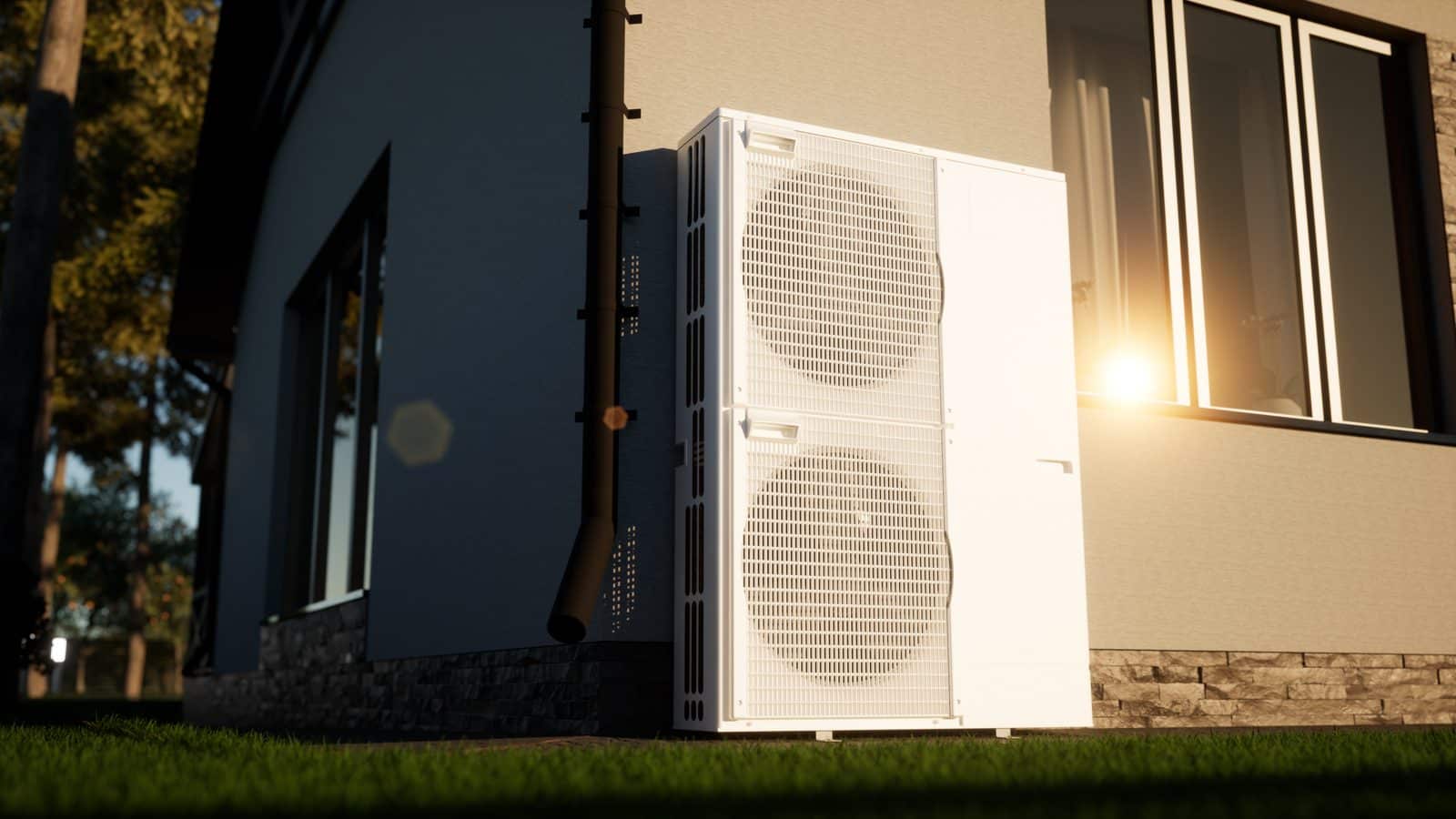
On cold mornings, when it’s near or below freezing, moisture in the outside air freezes onto the outdoor coil, and the system notices and takes care of it. Per NRCan’s guidance, it switches into defrost, runs in reverse for a bit to melt the frost and shuts the outdoor fan off while it works. In the meantime, the air moving through your ducts gets cooled. From the couch, that’s a stretch of cool air at the vents. From the driveway, it’s that steam cloud coming off the unit, which is melting frost and not smoke. Then the cycle ends and the heat picks back up like nothing happened.
When Defrost Is Not Normal
Defrost ends on its own, but real trouble doesn’t. Cold-air complaints on heat pumps often trace back to a system that’s stuck in defrost or not reversing the way it should. You can see it when thick ice builds up on the coil and stays. Ice that doesn’t clear means a technician needs to take a look, full stop.
Aux Heat and Emergency Heat Explained
Auxiliary Heat Steps In on Its Own
Auxiliary heat is the backup stage the system brings on by itself whenever the heat pump needs help, and that includes during defrost. You don’t pick it, the system does. When those backup heat strips never kick on, cold air at the vents is the symptom, and it’s one of the common causes a technician finds on arrival.
Emergency Heat Is a Manual Stopgap
Emergency heat is different, and people tend to take the name too literally. It’s a manual thermostat setting that runs only the backup heat and leaves the heat pump out of it completely. You use it when the heat pump itself has failed and you’re waiting on service, and then you switch it back once the system’s fixed. Electric resistance backup is less efficient than the heat pump it’s covering for, so think of it as a bridge, not somewhere to stay.
Thermostat Settings That Cause Cold Air
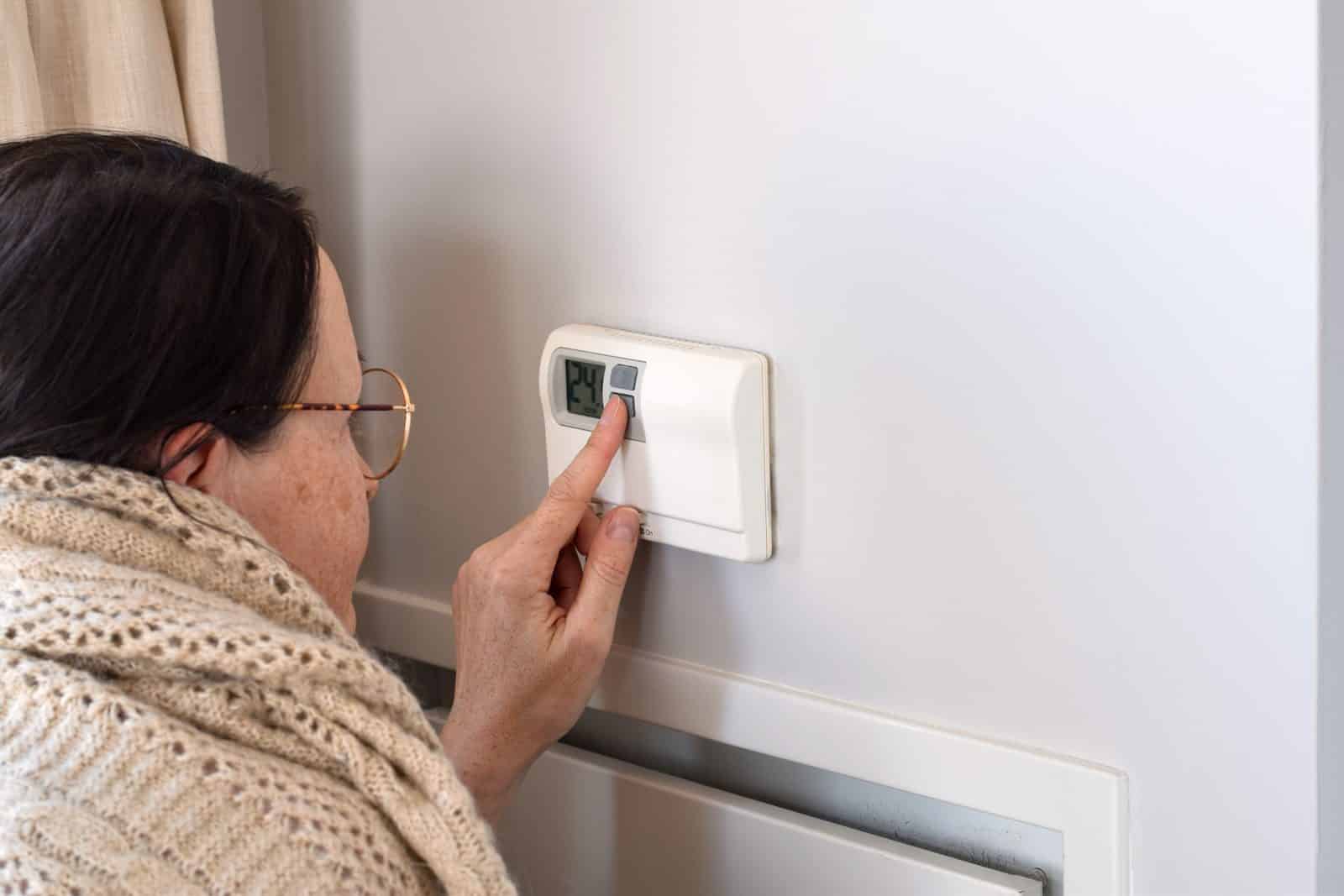
Sometimes the machine is fine and it’s the setting that isn’t. The ENERGY STAR advice for heat pumps is heat or cool, not Auto, because Auto can flip modes on an unseasonably warm afternoon and give you cooling when you wanted heat. A system that’s blowing cold because it’s in the wrong mode isn’t broken, it’s just doing what it was told. And if the settings keep fighting you or the schedule never sticks, thermostat setup for heat pumps is its own quick fix.
Heat Pumps and Below-Freezing Nights
Capacity Drops as the Temperature Does
The colder the outside air gets, the less heat there is in it to move, so a heat pump’s output drops as the night gets colder. That’s exactly when auxiliary heat earns its keep. Newer equipment handles cold a lot better than the old reputation says. ENERGY STAR’s cold-climate certification tests heat pumps down to 5°F, and many newer units keep heating well at low temperatures.
A Mild Winter Helps
Las Vegas is on the easy end of heat pump duty, since most nights barely dip below the mid-30s, well inside what the equipment is built for.
Problems That Need a Technician
Some of these symptoms aren’t a cycle or a setting at all.
- A system that seems stuck in defrost, or one that won’t reverse out of it.
- Backup heat that never comes on, no matter how cold the night gets.
- Low refrigerant or an airflow restriction, which show up as weak, cool air and long runs.
- Ice on the outdoor unit that keeps building instead of clearing off.
- A breaker that trips while the system is trying to run.
- A system that runs constantly while the house never gets comfortable.
Before you book, three homeowner checks are fair game, and only three. Make sure the thermostat’s on heat with the setpoint above room temperature, and check the filter, cleaning or swapping it when it looks dirty or the filter light says so, per ENERGY STAR. Then make sure the outdoor unit is clear of leaves and debris, which is the same housekeeping we cover in getting your system ready for winter. Everything else on that list takes gauges and meters, so it’s not yours.
The visit itself starts with a diagnosis. The full heat pump sequence gets tested, we tell you what’s wrong and what it costs before any work starts, and most repairs wrap up in one visit, usually within a couple hours. Heat pumps and furnaces both fall under our heating services in Las Vegas, so one call covers either system.
Frequently Asked Questions
Why is my heat pump blowing cold air in heat mode?
There are four usual answers. It’s a defrost cycle that ends on its own, a thermostat in Auto or Cool, backup heat that isn’t kicking on, or low refrigerant. The first two cost nothing to check. The last two are technician work, and they’re also the ones that won’t fix themselves.
Will a heat pump work below freezing?
Yes, it’ll just have less output than on a mild night, and backup heat is there to cover exactly that gap. ENERGY STAR’s cold-climate certification tests units down to 5°F, which is a lot colder than the mid-30s nights we usually get in this valley.
When should I use emergency heat?
Only when the heat pump itself has failed and you’re waiting for service. It runs the backup heat alone, so leaving it on after the repair just heats the house the hard way. Flip it back once the system’s fixed.
Next Steps for Las Vegas Homeowners
Start by watching, not touching, and give the outdoor unit a few minutes. Steam that rises and then stops on its own is just a defrost cycle finishing up. While you wait, check that the thermostat’s on heat and not Auto, and pull the filter out for a look.
Then clear off whatever the wind piled up against the outdoor unit, like leaves, bags and the usual stuff. And if the heat pump really has quit, emergency heat keeps the house livable while you book the visit. Just treat it as a stopgap and not a way of life.
Most cold-air moments on a heat pump are just the machine doing its job in a way nobody explained when it was installed.
Defrost ends, settings get switched back and filters get swapped out. Whatever’s left after that short list is real and can be diagnosed and fixed, and you’ll usually know it by ice that stays or backup heat that never shows up.
