

The afternoons are still hitting the low 80s and the nights are dropping fast, and that’s usually the week people start asking when to switch from AC to heat in Las Vegas. Nobody gets a clean answer, because there’s no set date for it. The weather decides most of it, and the house tells you the rest. What matters more than the date is whether your system’s ready for its first cold night, and a fall heating tune-up booked ahead of that night covers most of the worry. The signals below are the ones worth watching.
Watch the Nights, Not the Calendar
Most homes in the valley make the switch somewhere between late October and the middle of November. Some wait longer and nothing bad happens. The real question of when to turn on the heat in the house comes down to the nights, not the days. A week of cool nights with an air conditioner that barely runs during the day is the usual sign that the window is open. One cold evening by itself doesn’t count for much. Warm stretches keep coming back deep into fall here, and a thermostat flipped to heat too early just sits there. A sustained shift in the forecast is what you’re waiting for, and the house will usually confirm it.
Las Vegas Fall Temperatures Tell the Story
The numbers back this up. The NOAA climate normals for Las Vegas put the average October low near 60 degrees with highs in the low 80s. November is a different month, with average lows down in the high 40s and highs in the upper 60s. October still counts as a cooling month on paper. The balance doesn’t really tip toward heating until November, which is later than most people guess.
Cool Mornings With Warm Afternoons
A cool morning and a warm afternoon land on the same day all month. The swing is wide enough that the breakfast hour feels chilly and the school pickup feels like summer again. Sunlight does a lot of the work in between, and most houses drift back up to comfortable without the furnace touching it. Heat that runs at seven in the morning usually leaves the place too warm by noon. Plenty of October days need nothing from either system, which surprises people who moved here from colder places.
An AC That Barely Runs
The air conditioner is the other signal. Cooling demand falls off fast once the triple digits are gone, and by late October a lot of systems run one short cycle in the late afternoon and sit quiet the rest of the day. An AC that stays off through a whole warm afternoon has mostly finished its season. Give that quiet a week, alongside the cool nights, and the switch is safe.
Thermostat Modes for Swing-Season Days
The in-between weeks are where the thermostat earns its money. Heat mode runs the furnace side and nothing else. Cool mode is the same deal on the AC side. Neither one reacts to the day, so a morning that needs heat and an afternoon that needs cooling can leave a single mode behind. Switching from AC to heat by hand works fine, and plenty of people run their thermostat that way all season. The worry about flipping back and forth too much is mostly misplaced. Your system alternates between seasons its whole life anyway, and normal swing-season use is just more of the same.
Auto Mode on Programmable and Smart Thermostats
Auto mode handles the back and forth without anyone touching the wall. The homeowner sets a heating point and a cooling point a few degrees apart, and the system heats below one number and cools above the other. October and November are the weeks this feature was made for. Programmable and smart models add schedules on top of that, so the morning warm-up happens before anyone’s awake. ENERGY STAR keeps a plain rundown of smart thermostat features for anyone shopping for one.
Heat Pumps and Furnaces Handle the Switch Differently
A heat pump changes direction instead of changing machines, and the click or soft whoosh from the outdoor unit at the switch is normal. A gas furnace lights a burner that’s been off since spring, so the first cycle wakes up a different part of the system. The longer explanation of how your HVAC system works covers both machines in more depth.
First-Run Checks and Warning Signs
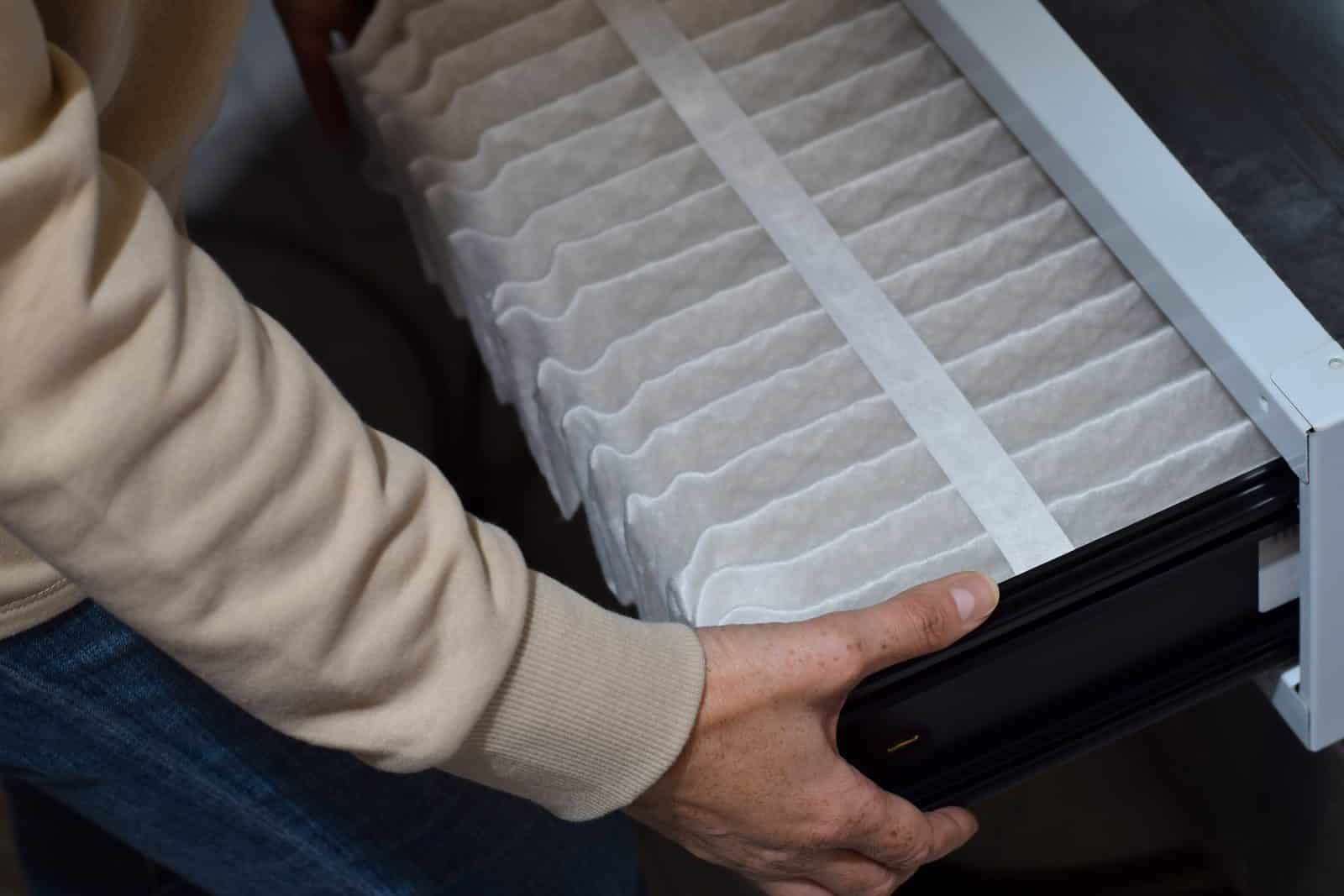
A few checks ahead of the first heat cycle save most of the drama. The filter is the big one. Summer dust loads filters hard in this valley, and a clogged one makes the first run smell worse and work harder than it should. The furnace closet and the area around the outdoor unit usually need a quick clear-out too, since storage creeps into both spots over the cooling months. The carbon monoxide detector gets a test and fresh batteries the same week. A test run on a mild evening is the last step. Set the heat a few degrees above the room and let it cycle. A faint dusty smell on that first run is normal, and it fades fast.
Some things aren’t normal, and they’re worth stopping for.
- Repeated clicking with no ignition
- A breaker that trips when the heat starts
- A burning smell that hangs around instead of fading
- Any gas smell, which means leaving the house and calling from outside
A problem you find on a mild October evening tends to stay an inconvenience instead of an emergency, and seasonal HVAC maintenance on a spring and fall schedule catches most of this before it shows up at all. When something does turn up, our heating services in Las Vegas cover furnaces and heat pumps alike.
Frequently Asked Questions
Is it bad to switch from heat to AC frequently?
Normal use is fine. Your equipment was built to alternate, and auto mode does it every day without hurting anything. The habit worth dropping is cranking the setpoint up and down by large amounts several times a day, since every big swing forces a long recovery run. Keep the set points a few degrees apart and the back and forth stays gentle.
Is there a thermostat that switches from AC to heat automatically?
Auto mode is exactly that, and most programmable and smart thermostats sold today come with it. The homeowner sets one heating point and one cooling point, and the thermostat picks the right system as the day moves between them. The feature gets the most use in October and November, when one day can need both.
How do I switch my AC to heat?
The whole job lives at the thermostat. Change the mode from cool to heat, raise the setpoint a few degrees above the current room temperature, and give it a couple of minutes to respond. A fresh filter the same day is worth pairing with it. Nothing on the equipment side belongs in the homeowner version of this job.
What costs more to run in Las Vegas, AC or heat?
Cooling takes the bigger share of the yearly total in this climate, mostly because the cooling season runs several times longer than the heating season. Summer puts months of heavy daily work on the system, and winter is a short season of light duty by comparison. The exact split depends on the house, the equipment, and the utility rates, so the useful takeaway is the imbalance, not a number.
Next Steps for Las Vegas Homeowners
None of this takes a weekend. Watching for the first week when nights settle into the 50s covers the timing question. The filter change goes in before the first heat cycle, not after, and the carbon monoxide detector test fits into the same trip to the store for batteries. One deliberate test run on a mild evening beats finding out on a cold night. The fall tune-up gets booked in October or November, while schedules still have openings.
The calendar’s a rough guide at best, and the weather does the job better. A week of cool nights with a quiet air conditioner is the window, and the forecast will confirm it. With the filter changed and the tune-up on the books, the first cold night turns into a non-event instead of a scramble. The house gives plenty of warning to anyone paying attention.
