What Our Maintenance Visit Includes
- Indoor air handler filter cleaning or replacement: Las Vegas dust loads mean filters accumulate debris significantly faster than standard replacement schedules assume. A clogged filter is one of the most common contributors to restricted airflow, coil icing, and system strain.
- Indoor evaporator coil cleaning: dust and debris accumulate on coil surfaces and reduce heat transfer efficiency. We clean the coil and verify airflow is unobstructed.
- Condensate drain line flushing and flow verification: hard water mineral buildup at around 300 ppm scales condensate lines between visits. We flush the drain line, verify pitch and flow, and confirm the float switch is operational so a partial clog does not become an overflow call before the next service.
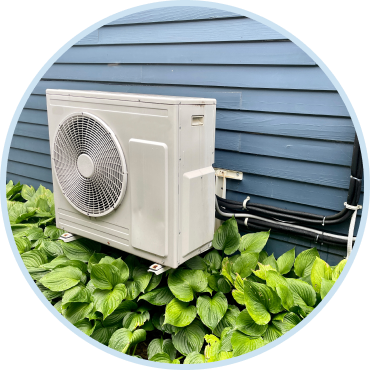
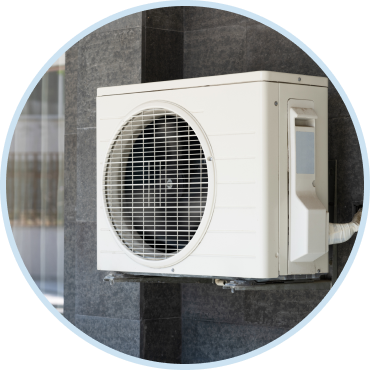
- Outdoor condenser coil cleaning: dust and debris accumulate on the outdoor coil through the long cooling season, reducing the system’s ability to reject heat. Cleaning restores rated heat transfer performance.
- Electrical inspection: capacitor health where applicable, fan and compressor amp draw, control board condition, control signal verification, and terminal inspection for heat discoloration. Capacitor wear is one of the most common failure points on Las Vegas mini-splits after long cooling seasons.
- Refrigerant check: superheat and subcool readings verified. We note any indication of refrigerant loss that warrants further inspection.
- Blower wheel inspection: dust accumulation on the blower wheel reduces airflow and puts additional load on the motor. We inspect and clean where needed.
- Control signal and remote function verification: confirmed call for cooling and heating, mode switching, and system response.
- Temperature split at the indoor head: confirmed under operating conditions to verify the system is performing to spec.
- Written service report: findings documented, completed work recorded, and any items flagged for attention before the next visit. Your record for warranty and future service calls.
What you get after every visit:
- Coils and filters cleaned for airflow and efficiency
- Drain flushed and pitch and flow verified to prevent shutdowns
- Electrical and refrigerant readings checked and documented
- Temperature split verified at the indoor head
- Written report for your records
Book a Maintenance Visit
How Often Mini-Splits Need Service in Las Vegas
Annual maintenance is the minimum. Twice yearly is the better standard for most Las Vegas systems and the one we recommend for systems that run year-round or serve high-use spaces.
The case for twice yearly is straightforward in this market. Spring service before the cooling season ensures the system is clean and fully operational before it carries the full summer load. Fall service after the long cooling season addresses accumulated wear, cleans coils and drains, and confirms the system is ready for heating mode before the first cold nights in November and December.
Systems that run continuously, serve commercial spaces, or have a history of dust-related issues benefit most from twice-yearly visits.
-
Mini-Split Repair
If a maintenance visit reveals an issue that needs repair, or if your system has already stopped performing the way it should, our repair page covers the full scope of what we diagnose and fix.
See Details
-
Mini-Split Installation
If your system is approaching end of life or you are adding a zone to your home or business, our installation page covers sizing, equipment selection, and what our install process includes.
See Details
Why Mini-Split Maintenance Matters More in Las Vegas
Standard manufacturer maintenance intervals are not written for Las Vegas conditions. They assume average dust levels, average runtime hours, and average water quality. None of those assumptions hold here.
Our commercial expertise includes:
- Dust loads: Clark County dust levels are significantly higher than most U.S. markets. Filters and coils accumulate debris faster, reducing airflow and heat transfer efficiency between visits. A system that is clean in March may be measurably restricted by August without a mid-season service.
- Hard water: mineral content in Las Vegas tap water averages around 300 ppm. Condensate lines scale faster than in most markets. A partial clog that goes unaddressed trips the float switch and shuts the system down, often on the hottest days when it is running hardest.
- Season length: the Las Vegas cooling season runs roughly April through October, seven months of near-continuous operation. Systems here log more annual runtime hours than in most of the country, which means capacitors and electrical components reach wear thresholds sooner.
- Heat soak: outdoor units sit in one of the hottest surface environments in the country during peak summer. Ambient temperatures around ground-level and rooftop units regularly push past conditions used in standard equipment ratings, accelerating electrical wear.
- Season changeover: many mini-splits switch from heavy cooling use to heating mode in late fall. A system that has not been serviced may hit heating season with restricted coils, scaled drains, or worn electrical components that were not a problem during cooling season.