

The season’s first cold snap runs the same ritual across the valley. The furnace gets its first real call in eight months, the vents start pushing air, and the air comes out cold. A furnace blowing cold air in Las Vegas usually traces back to one of five causes, and two of them cost nothing to rule out. This post walks through all five, cheapest first, from the switch on the wall to the blower in the cabinet. Some turn out to be a thirty-second fix. The rest are what night and weekend furnace repair from Pure Plumbing & Air exists for, because furnaces rarely pick a reasonable hour to quit.
Start at the Thermostat, Not the Furnace
A surprising share of cold-air calls end at the wall instead of the furnace. Check the fan setting before anything else. Set to ON, the blower runs around the clock and keeps moving air between heating cycles, and between cycles that air hasn’t passed over anything hot. It feels cool at the vent and reads like a failure. It isn’t one. Flip the fan to AUTO and the blower only moves air while the burners are making heat.
While you’re standing there, run the rest of the wall checks. Faint displays and dead batteries cause more cold houses than most people would guess, and small thermostat settings and upgrades quietly fix a lot of no-heat complaints.
- Fan on AUTO, not ON
- Mode on heat, setpoint pushed well past the current room reading
- Fresh batteries and a legible display
Quick caveat before going further. Heat pumps are a different animal, and air that feels lukewarm from a heat pump in January is often normal operation rather than a fault. There’s a separate post covering why a heat pump blows cooler air in winter, so if that’s your setup, start there instead.
Warm at the Furnace, Cold at the Vents
Here’s a test that takes two minutes and points the whole investigation. Go stand at a vent in whatever room sits closest to the furnace and feel the air. Then go feel the air in the farthest bedroom. If it’s warm at the first vent and noticeably cooler at the second, the furnace itself is probably fine. The heat is being made. It just isn’t arriving where you live.
The ducts are usually where it goes missing. Most supply runs in this valley live in the attic, and an attic here spends five months a year at oven temperatures. That slowly ruins the tape, the straps, and the mastic at every joint, until one day a section sags open or drops off entirely. Tears on the return side cause a different problem. The system starts breathing attic air, which in December is cold, and that cold air mixes into everything the burners just heated. People blame the furnace for this constantly. A lot of the time the real fix is damaged or disconnected ductwork getting sealed or reconnected, which runs a lot cheaper than repairing a furnace that was never broken.
No Flame Means No Heat to Deliver
If the air is cold at every vent, including the ones right next to the furnace, the question changes. Now you’re asking whether there’s a flame at all. Listen to the furnace when it tries to start. A click or a hum and then nothing tends to mean the igniter died. If it fires up, runs for maybe thirty seconds, and shuts back down, that’s usually a flame sensor with a film of residue on it. The sensor can’t verify the burn it’s sitting in, so it kills the gas as a precaution, again and again. Older equipment adds a third possibility most people under forty never think of, a standing pilot that blew out sometime in July and has been out ever since.
Gas supply problems get overlooked because everyone assumes the gas is just there. It isn’t always. A shutoff valve that got bumped during some other repair, a problem in the line itself, a utility-side interruption, any of those leaves the furnace clicking away and producing nothing. gas line repair turns out to be the answer on more of these calls than you’d guess.
One rule stands above the troubleshooting. If you smell gas, the checking is over. Everyone leaves first, and the calls happen from outside the house. Southwest Gas keeps the complete safety procedure posted, and it outranks every paragraph in this post.
Blowing Cold Air With the Burners Off
Now for the pattern that confuses people most, vents that blow warm for ten minutes, then cool for thirty, all evening. That’s rarely a furnace failing at random. It’s usually a furnace protecting itself on schedule.
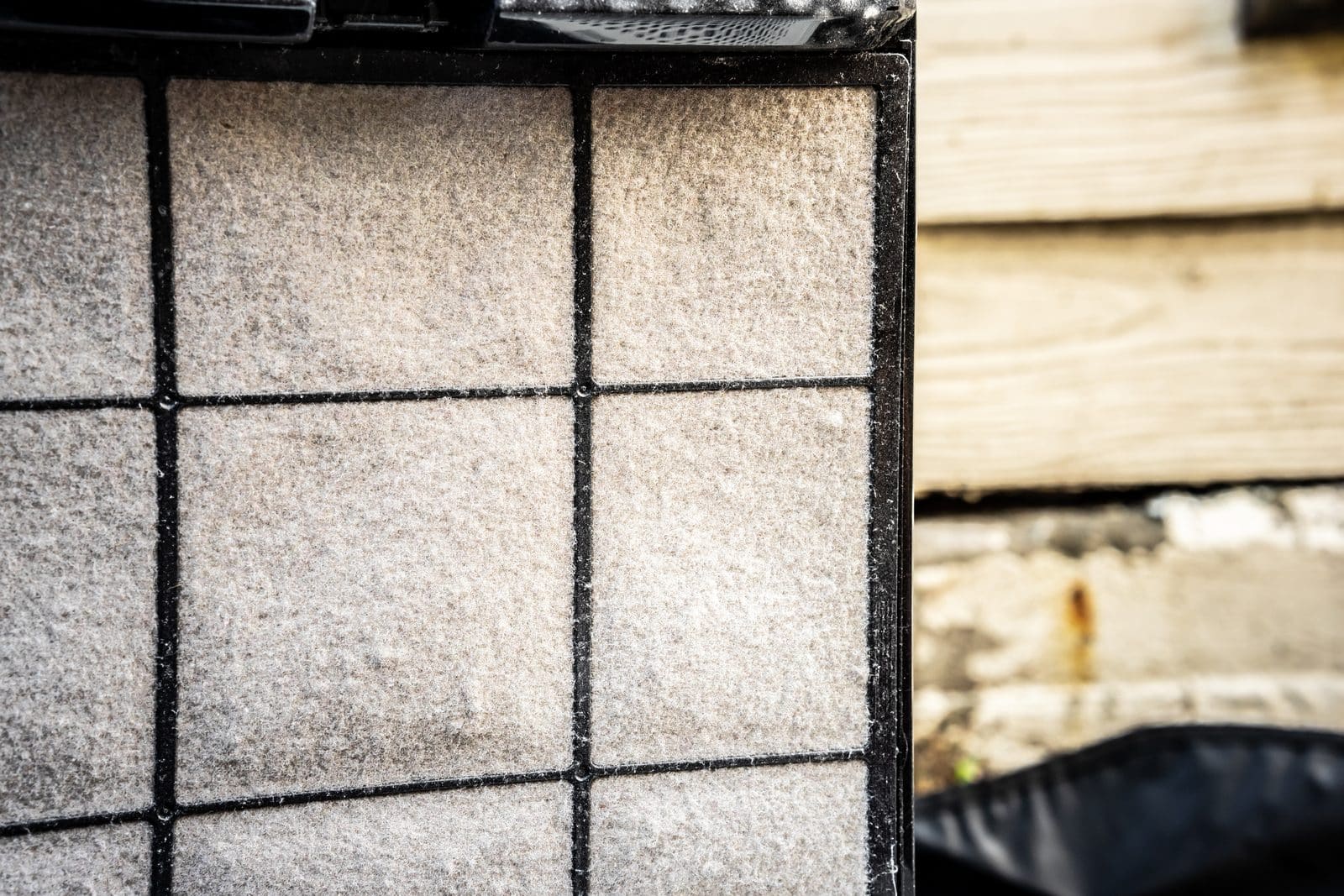
The usual chain of events goes like this. The filter hasn’t been changed in a year, airflow through the cabinet drops, and the temperature inside climbs past what the furnace is rated for. A safety control called the limit switch notices and shuts the burners off. The blower stays on, though. Its job at that point is cooling the cabinet back down, and while it does that, the vents keep pushing air that gets colder by the minute. Then everything resets, the burners come back, and the loop starts over. Furnaces tolerate some of this. A whole winter of it is another story.
- Warm air that turns cool on a repeating rhythm
- A blower that runs long after the heat fades
- Airflow at the vents that feels weaker than last winter
A blower that never shuts off at all deserves its own attention, since fan and motor faults produce the same cold-air complaint through a different mechanism. That diagnosis belongs on a pro’s meter, and blower motor and fan problems are a routine diagnosis on a service visit.
The Line Between a Check and a Repair
At this point you’ve done the homeowner portion. Fan’s on AUTO. Mode and setpoint check out. The filter is clean or brand new. You’ve felt the vents near and far. If the air still comes out cold after all of that, whatever’s wrong sits inside the cabinet or somewhere along the gas path, and neither one is a weekend project.
Running it anyway doesn’t save anything, even though it feels like it should. Every limit trip and failed ignition attempt shaves a little more life off the parts doing the retrying, and the fault underneath keeps maturing while the house stays cold. It’s also worth naming what this post is not about. A furnace that’s completely silent, no click, no fan, no attempt, is a different failure family, and a furnace that won’t turn on at all has its own walkthrough.
Cold houses don’t respect business hours, and the week’s first hard freeze is precisely when dispatch lines earn their keep. There’s no prize for toughing it out until morning.
A Diagnosis Beats a Guess Every Time
Whoever you call, hold them to the same standard. Gas furnace work in Nevada is licensed work. Pulling up any company’s license number takes maybe a minute on the state’s own site, the Nevada State Contractors Board. What you want from whoever shows up is pretty simple. They look at the furnace before naming a price. They tell you which part failed in words you actually recognize. The price goes down on paper before tools come out. And if somebody quotes a repair over the phone, sight unseen, treat that as information about them, because nobody knows what a repair costs until they know which part died. The difference between a diagnosed repair and a guessed one usually shows up twice, once on the first bill and again when the guess comes back in February.
Frequently Asked Questions
How do I know if it’s the furnace or the thermostat?
Do the free stuff first. Heat mode on, setpoint cranked well above the room, fan on AUTO, fresh batteries. A furnace that ignores all of that has a problem past the wall, and that’s when a diagnostic visit earns its fee.
Why does my furnace blow warm air then cold?
This one has a specific signature. The furnace overheats, a safety called the limit switch cuts the flame, and the blower keeps running with nothing left to heat the air it moves. That’s where the warm-then-cool rhythm comes from. Usually the overheating traces back to a filter choking the airflow, and the cycle keeps repeating until the airflow gets fixed, not just until the furnace cools off.
Can a dirty filter really make a furnace blow cold air?
Yes. It might be the single most common cause there is. Heat has to leave the cabinet somehow, and moving air is how, so when a clogged filter cuts that airflow down, the heat piles up inside instead. The furnace protects itself by shutting the burners off, the fan keeps blowing, and what it blows is cold. Change the filter and a lot of these fix themselves within a cycle or two.
Is it bad to keep running a furnace that blows cold air?
Two bills come out of it. The first is the power you keep paying for while the house stays cold anyway. The second shows up later, because every failed cycle wears the igniter, the blower, and the controls a little more than normal running would. Letting it limp along for a few weeks is how a small repair graduates into a big one. Shut it off and get it looked at.
Next Steps for Las Vegas Homeowners
Spend five minutes on these before anyone arrives. They make the visit shorter.
1. Fan to AUTO, mode to heat, then leave it alone for ten minutes and see what happens.
2. Pull the filter out and hold it up to a light. No light coming through means it’s done. Replace it.
3. Feel a vent near the furnace, then one far away. Remember which was warmer.
4. Pay attention to what the furnace actually does when it tries to start. Clicking, humming, a short run, or nothing at all. Whoever diagnoses it will want exactly that detail, so write it down.
And if you want the bigger picture, there’s a full guide to how your heating system works that makes every symptom on this page easier to place.
Five suspects, then. The thermostat, the ducts, the ignition and gas path, a furnace protecting itself from bad airflow, and the blower. The first two checks cost nothing and solve a surprising share of cold houses all on their own. Everything past that leaves evidence, and evidence is what a good tech works from. Run the checks, write down what you saw, and let the season’s first freezing night be somebody else’s long one.
