

It’s the first cold night of the year, you bump the thermostat to heat, and then nothing happens. There’s no click, no hum and no warm air, just a house slowly getting as cold as outside. If you’re standing in the hallway wondering why won’t my furnace turn on, this page walks you through the safe checks first and then what belongs to heating repair, including furnace repair in Henderson and furnace repair in Summerlin. But one thing before any of it. If you smell gas, skip every check below, get out of the house and make the call from outside.
The good news is that most no-starts have simple explanations. The checks below are the same basics a heating repair technician runs first, minus anything that means opening the unit.
A Furnace That Sat Idle All Summer Needs a Moment of Attention
Idle Months Raise the Odds of a No-Start
A Las Vegas furnace works maybe four months a year. From March through November it just sits there while the AC does all the work, and dust and debris settle on the burners the whole time. So that first cold night is also the first real test the system’s had since spring, whether it lives in a Summerlin attic or a Henderson garage closet. It’s kind of like waking up from a long nap, and a quick read on how your home heating system works will make every check below make more sense.
A No-Start and Cold Air Are Different Problems
This page is about a furnace that does nothing at all. If the blower runs but the air coming out is cold, that’s a different problem with different causes, and the furnace blowing cold air question gets its own full post.
Safe Checks Before You Call a Technician
There are four checks, and all of them are outside the equipment, so nothing here means opening a panel, touching wiring or getting anywhere near the gas.
Thermostat Mode, Setpoint and Batteries
Start at the wall. The thermostat needs to be on HEAT, not off and not stuck in a cooling mode, and the setpoint should be a few degrees above the room temperature, because a furnace won’t start chasing a number it’s already beaten. If the display is blank or flickering, put in fresh batteries. Thermostats fail more often than people think, and thermostat repair is there for the ones that won’t come back.
The Breaker and the Furnace Switch
Two switches control everything. The breaker in your electrical panel gets reset once at the handle if it’s tripped, and once really does mean once. If it trips again, something’s wrong further down the line, and the answer is a technician, not a third try. The other one is the furnace switch, which is just a plain light switch on or near the unit, and it gets flipped off by accident more often than anybody admits. Make sure it’s ON, and that’s the whole job, no panel covers, no wiring.
The Air Filter
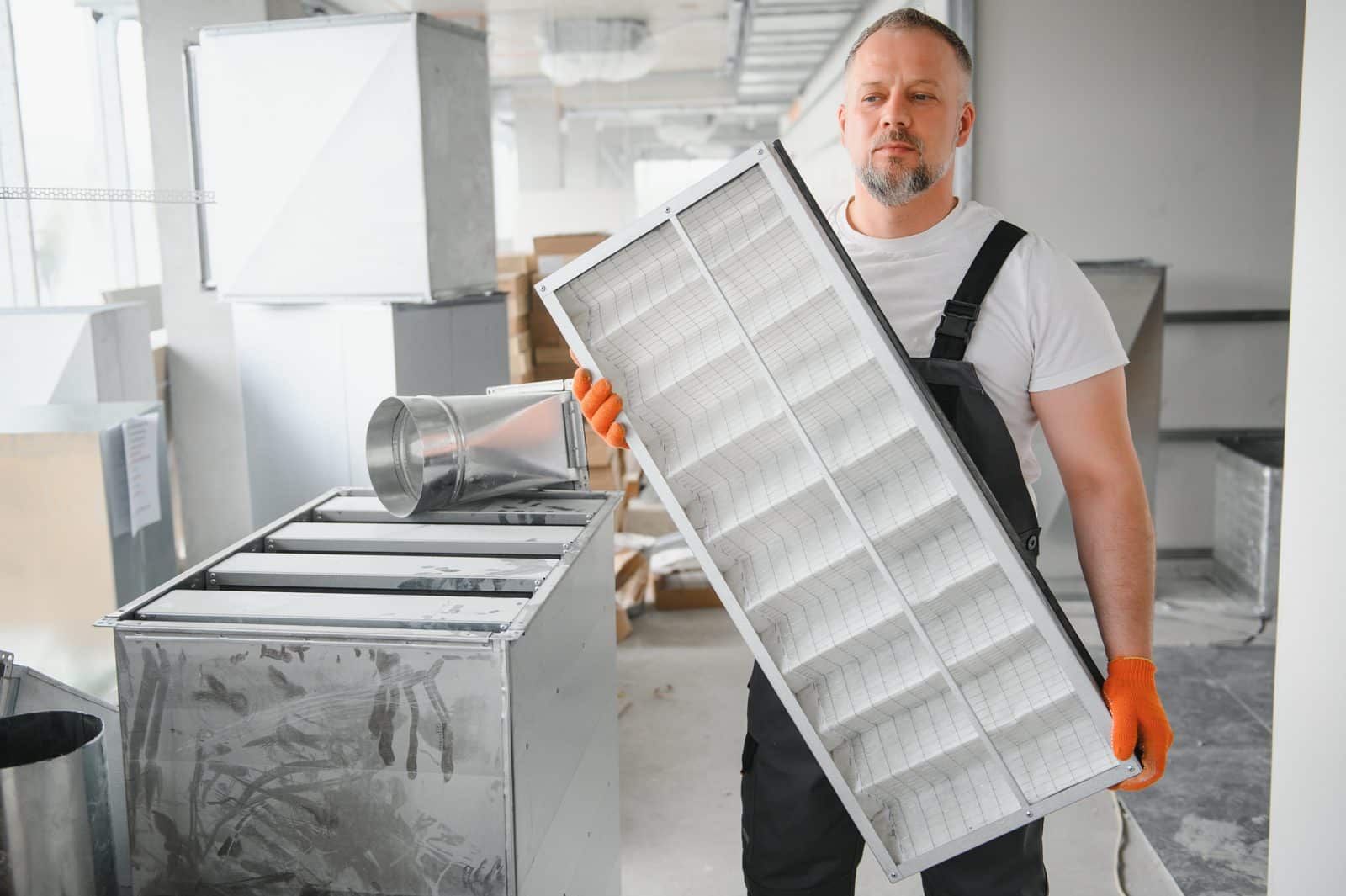
A clogged filter can trip a safety shutdown all by itself, because the furnace overheats when it can’t pull air through a mat of desert dust. So swap a dirty filter for a fresh one and see if the system comes back. There are two rules here, though. Never run the furnace without a filter in it, and if you can’t remember the last time you changed it, the honest answer is in how often to change your air filter.
Vents and the Furnace Door
These are the look-only checks. Supply vents and return grilles should be open and not blocked by rugs, furniture or storage boxes, and the furnace door should be closed and fully seated, since a loose door can keep the unit from running at all. You just look, straighten things up and you’re done, and the door never comes off.
Causes a Technician Usually Finds
If the checks above don’t get it going, the cause is usually one of these. We’re only naming them, because none of them is something a homeowner should be working on.
Ignition Problems
The igniter or pilot didn’t do its job, so there’s no flame to make heat. If you’ve got an older unit with a standing pilot, don’t relight it yourself, no matter what the internet says. Relighting a pilot over and over can be dangerous if there’s a gas leak behind it, which is why this one stays off the homeowner list.
A Dirty Flame Sensor or a Safety Lockout
The flame sensor’s job is to prove to the furnace that there’s actually a flame. When it’s dirty, the furnace lights, doesn’t believe itself and shuts right back down. Let that happen a few times and the system goes into lockout, which isn’t really a breakdown, it’s the furnace protecting itself after failed starts. Clearing it the right way is part of the diagnosis and not a reset button to lean on.
Control Board or Thermostat Signal Problems
Sometimes the call for heat never gets there. It could be a control board with a failing relay, a thermostat that’s lost its connection or some low-voltage wiring trouble, and any of those leaves a perfectly healthy furnace waiting for an instruction that never comes. That’s work for a meter and a schematic.
Overheat and Condensate Safety Switches
Furnaces have switches whose whole job is refusing to run when something’s off. An overheat switch trips when there’s an airflow problem, and on high-efficiency units a backed-up condensate drain can keep the whole system off until the water has somewhere to go.
Stop and Call Right Away in These Cases
Some symptoms mean you stop troubleshooting right there and call.
- A gas smell, which means you leave the home first and then call 911 and Southwest Gas from a safe location.
- A CO alarm going off, or flu-like symptoms that ease up when you leave the house, so get outside to fresh air right away and call from outside, per the CPSC.
- A breaker that trips a second time after you’ve already reset it once.
- A burning smell or an electrical odor of any kind.
- A yellow burner flame where there should be a steady blue one.
Inside a No-Heat Repair Visit
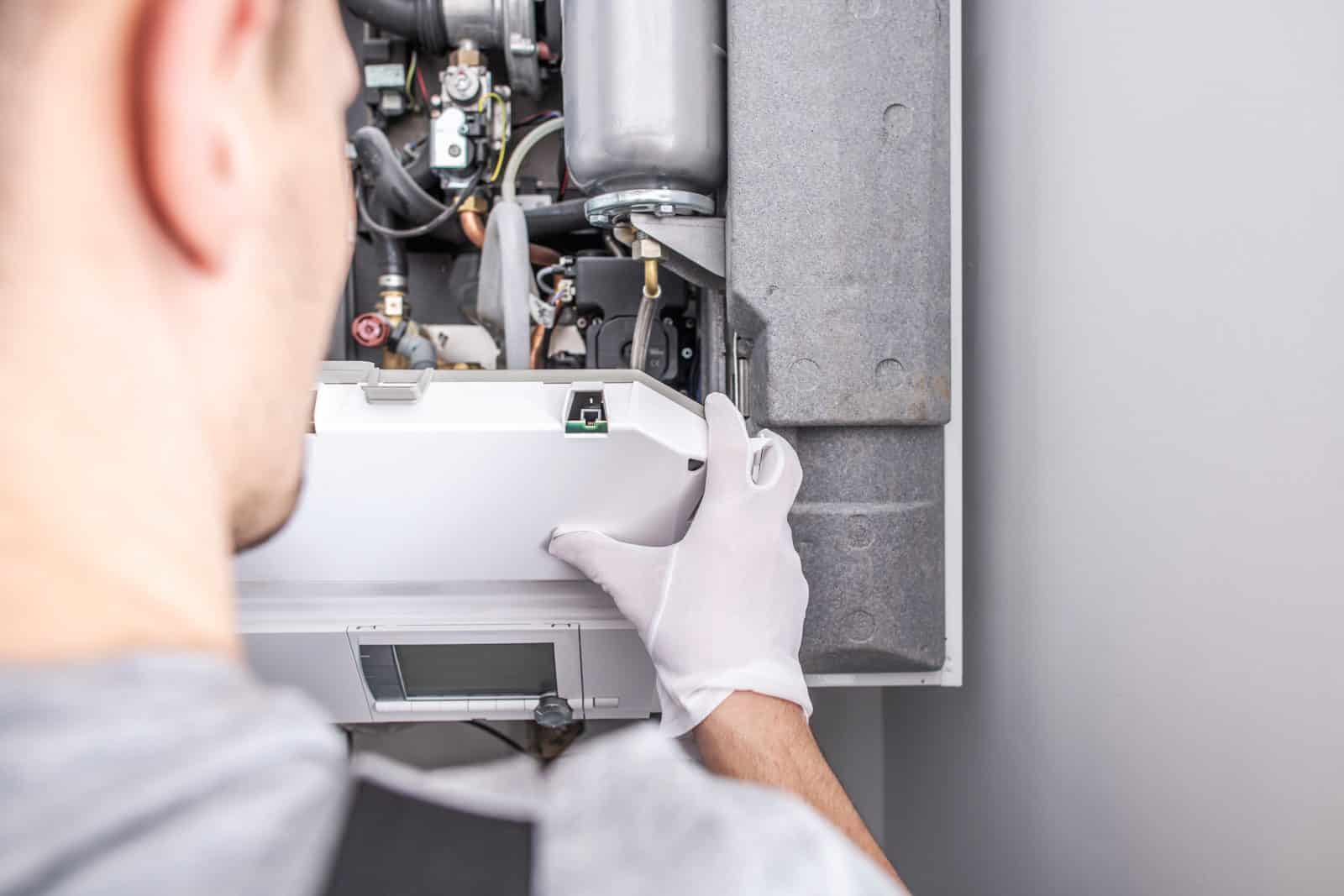
The visit starts with a diagnosis. The technician checks the same basics you did and then goes deeper, into airflow and temperature rise, the safety switches and a full test of the ignition sequence, until the actual cause is on the table. We’ll tell you what’s wrong and what it’ll cost before any work starts, not after. Most repairs get done in one visit, usually within a couple hours, and since the trucks are stocked, the common heating parts are already outside your house. If a part has to be ordered, you get the timeline right away instead of a shrug. And the phones get answered around the clock, which matters when that first cold night lands on a Saturday. Repairs, replacements, and seasonal service all run through our Las Vegas heating services.
Frequently Asked Questions
Why is my furnace not turning on after the summer?
Eight months of sitting around takes a toll. Dust settles on the burners, a thermostat battery dies sometime in September, or last winter’s filter finally clogs up past its limit. Most no-starts on that first cold night come back to one of those, and that’s what a pre-season tune-up is for, catching it all before the weather does.
Can a dirty filter stop a furnace from turning on?
Yes, it can, all on its own. A clogged filter starves the furnace of airflow, so the unit overheats and a safety shutdown takes it offline. Change the filter and give it one more try, but don’t ever run the system without a filter in it, not even for a quick test.
Is it safe to keep resetting my furnace?
No. One reset is a check, but a furnace that keeps locking out is telling you a part is failing, and if you keep feeding it resets it’s just going to fail at a worse time. So leave it off and get it diagnosed.
Next Steps for Las Vegas Homeowners
Run the safe checks once and in order, thermostat to filter to vents. While you’re at it, write down what you see and hear, like the thermostat display, any clicks or hums and when the heat last worked, because those details speed up the diagnosis once a technician’s in front of the unit.
If a breaker trips twice or you smell gas, the furnace stays off, period. And once this season’s sorted out, put a heating tune-up on the calendar for next fall. It takes about an hour for most systems and covers the igniter, burner assembly, heat exchanger, gas valve, thermostat calibration, blower, flue, filter and a full heating cycle, so the whole checklist happens on a mild October afternoon instead of the first cold night.
A furnace that won’t start is usually asking for something small, like power, airflow or a working instruction, and the safe checks cover all three without a single panel coming off.
Everything past that point has a name and a part number, and it’s somebody’s job. Stick to the safe checks, leave the rest to a technician, and a cold night stays a small hassle.
