
Evaporator Coil Repair Paradise NV
- 24/7 Emergency Service
- Financing Available
- A+ BBB Rated
- Licensed & Insured
Inside the Evaporator Coil Repair Process
Think of this part of the system as the surface where indoor heat gets removed during cooling. It is a grid of thin copper tubing, wrapped with aluminum fins, sitting inside the metal box your furnace or air handler lives in. Cold refrigerant moves through the copper tubing while warm indoor air passes across the fins, allowing heat to be removed during the cooling cycle. That is the entire job. When airflow becomes restricted, refrigerant leaks develop, or ice forms on the surface, the system may continue running while cooling performance steadily declines. Sometimes by a little. Sometimes the air at the vents barely feels cool at all.
Repair work depends on what is actually wrong with the coil. Dirt buildup can often be cleaned, while frozen systems require the underlying airflow or refrigerant issue to be corrected first. Smaller accessible leaks can sometimes be repaired, while larger or heavily corroded sections may require replacement. Refrigerant work falls under EPA rules. The U.S. Environmental Protection Agency requires licensed handling and proper recovery on every coil repair that opens the refrigerant circuit, and our techs hold the certifications.
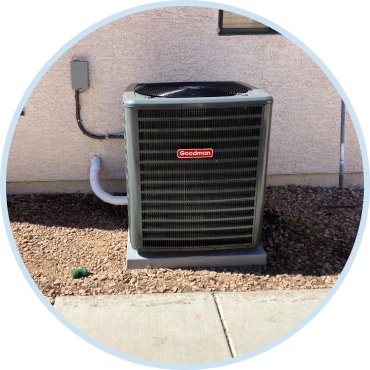
AC Repair
Broader residential AC system repair across indoor and outdoor components. Our main Paradise AC repair coverage.
See Details
Frozen AC Repair
Frozen evaporator coils are the most common form of coil trouble. We thaw, then diagnose airflow or refrigerant.
See Details
AC Leak Repair
Refrigerant leaks often trace back to evaporator coil corrosion or weakened joints. EPA-certified leak detection and recovery.
See Details
AC Compressor Repair
Low refrigerant levels caused by leaks can place additional strain on the compressor over time. We trace the leak before topping off.
See Details
Blower Motor Repair
Restricted airflow from a dirty coil often points to blower issues too. We test the blower as part of coil diagnostics.
See Details
Residential AC Repair
Our residential AC repair hub for whole-system service across Paradise homes.
Neighborhoods We Serve Across Paradise
We service evaporator coil and airflow issues across homes, rentals, and older residential properties throughout the area, including Paradise Palms, the UNLV rental corridor, Pinto Lane, and the older residential pockets near the Strip. Many Paradise systems still use R-22 refrigerant, which often makes refrigerant leak repairs more complex than work on newer systems. We service every type of residential AC system and work with property managers on multi-unit calls.
- Enterprise
- Whitney
- Winchester
- Elk Horn
- Tule Springs
- Green Valley
Not on the list? Contact us and we’ll confirm whether we can reach you.
The Pure Plumbing & Air Difference for Paradise Homeowners
Evaporator-side refrigerant repairs require specialized handling and diagnostic testing, and the wrong fix can lead to bigger problems down the line. Pure Plumbing & Air has been repairing coils across Paradise and the surrounding valley since 2013. Diagnostic testing is used to confirm the underlying issue before repair recommendations are made.
Refrigerant repairs are handled according to EPA and manufacturer standards. Any coil repair that involves opening the refrigerant circuit is done by licensed techs with proper recovery equipment. We give you the cost up front and walk through repair-versus-replacement considerations when system age or refrigerant type affects long-term value. No surprises at the door. Every recharge gets verified against manifold gauge readings on both the high and low sides, and we check subcooling and superheat against the manufacturer spec before closing out. From Paradise Palms to the UNLV area, the same diagnostic process is followed on every service call.
- Licensed HVAC technicians, Nevada contractor licenses #77906 and #88741, working on Paradise systems since 2013.
- EPA-compliant refrigerant handling. Every coil repair that opens the refrigerant circuit gets proper recovery, no venting. It is federal law and we follow it.
- Diagnostic first, quote second. We confirm the coil is the actual problem. Cosmetic appearance alone is not used to justify replacement. Sometimes the coil is fine and the real fix is somewhere else.
- Cleaning and targeted repairs. A coil cleaning runs a few hundred. A coil replacement runs much more.
- Paradise dust expertise. Twelve years of cleaning coils across Paradise and Las Vegas affected by desert dust, monsoon debris, and fine construction particulates common throughout the valley.
- Pure Plan Membership available. Coil inspection and cleaning are part of scheduled membership visits.
HVAC Services We Offer Includes:

Evaporator Coil Repair FAQs From Paradise Homeowners
Evaporator coil repair in Paradise is usually a one-visit fix when the diagnosis is right and the coil can be cleaned or sealed before damage spreads. We diagnose first, recommend the smaller fix when it will hold, and bring you both numbers when replacement enters the picture.
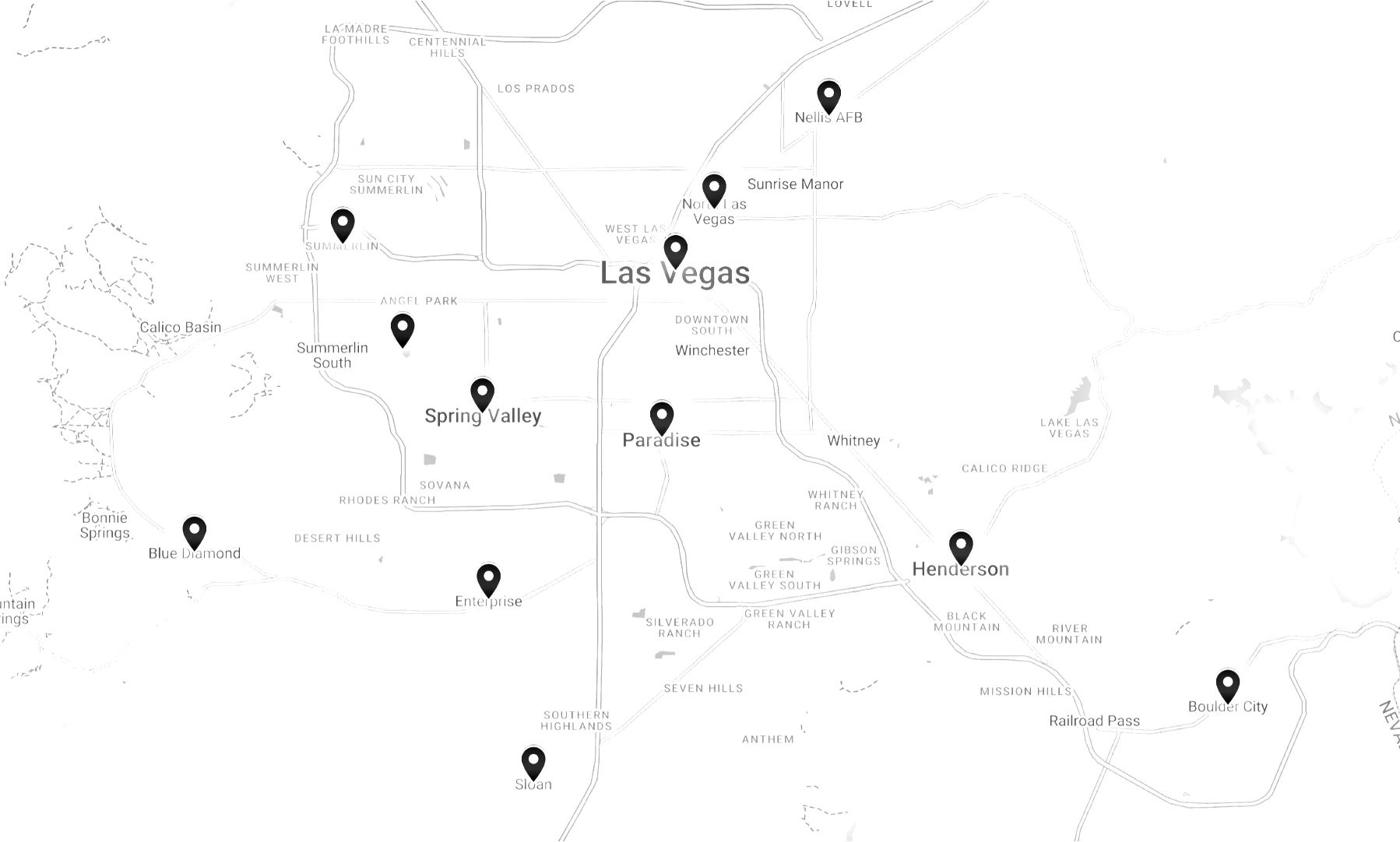
We serve the whole Las Vegas valley All 17 areas
Evaporator Coil Repair in Paradise, and across every area on this list. We carry the parts these systems actually fail on, so most repairs finish in one visit.
West valley
North valley
East & south