
AC Compressor Repair in Boulder City, NV
- 24/7 Emergency Service
- Financing Available
- A+ BBB Rated
- Licensed & Insured
Signs Your Boulder City Compressor Is in Trouble
The compressor is the pump at the center of the refrigerant cycle, and when it begins to fail it usually announces itself well before it seizes. Catching the early signals protects the part and often points to a cheaper fault feeding the problem.
- Warm air from vents while the outdoor unit runs and the blower still pushes air
- The system turns on and off in quick bursts, a pattern called compressor short cycling
- A hard starting compressor that grunts, hesitates, or shakes the unit as it tries to run
- The compressor tripping breaker each time it attempts to start in the afternoon heat
- The outdoor unit is hot to the touch and shuts down on its own, a sign of compressor overheating
- A low, laboring hum from the condenser without the normal startup
Boulder City runs a little cooler than the valley floor thanks to its elevation, but summer still holds long stretches above 100 degrees, and a compressor here carries that load for months with little rest. The larger issue is age. The city’s growth limits have kept a great deal of original housing in service, and the compressors in those systems have logged more heat-hours than any spec sheet planned for, which is why hard starts and overheating show up earlier here than on newer equipment.
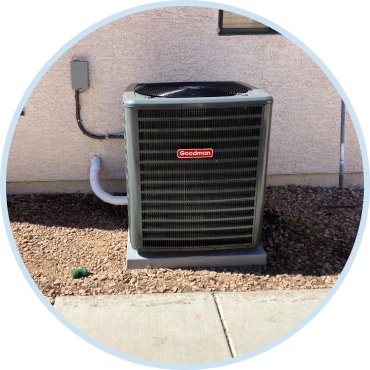
Where Compressor Trouble Actually Starts
A struggling compressor is often the victim of a cheaper fault rather than the root problem, so a real diagnosis rules those out before condemning the part. The checks below separate a repairable fault from a genuine compressor failure.
-
Electrical faults that mimic a bad compressor
A dead capacitor or a burned contactor can leave a healthy compressor unable to start, and replacing the compressor without checking them wastes thousands. These inexpensive electrical parts are tested first, since they account for a large share of no-start calls.
-
A compressor that struggles to start
A hard starting compressor pulls a heavy surge as it fights to break free, and a reading of locked rotor amps shows whether the motor is seizing or simply needs help. A hard start kit adds a boost that can give an aging compressor several more dependable seasons when the windings still test sound.
-
Overheating and short cycling
Compressor overheating trips the internal overload and shuts the unit down until it cools, while compressor short cycling points to a control, charge, or airflow fault forcing the compressor on and off too fast. Both wear the motor quickly, so the cause is traced rather than reset and ignored.
-
Refrigerant problems behind the strain
An overcharged or undercharged system makes the compressor work against the wrong pressures, and refrigerant pressure diagnostics reveal whether a charge issue or a restriction is the true cause. Correcting the refrigerant side often relieves a compressor that seemed to be failing.

The Repairs That Travel With a Compressor Call
Compressor trouble rarely stands alone, since the parts around it both cause and suffer from the strain. These related services often come up on the same visit.
-
Capacitor and contactor repair
A dead capacitor or a burned contactor is the most common reason a sound compressor will not start, and testing them first is what prevents a needless replacement.
See Details
-
Condenser fan motor repair
A stopped condenser fan lets the compressor overheat within minutes, so a fan failure and a compressor complaint often arrive together. Restoring airflow protects the compressor from further heat damage.
See Details
-
Compressor replacement
When testing confirms an internal failure that repair cannot resolve, replacement restores cooling, weighed against the age and condition of the rest of the system.
See Details
-
Full AC repair
When the compressor tests healthy, the fault sits elsewhere in the system, and full air conditioning service covers the refrigerant, the airflow, and the controls.
See Details
-
Emergency AC repair
A compressor that quits in a heat wave leaves a home without cooling, and after-hours dispatch covers those urgent failures.
-
HVAC contractor services
Compressor work is one part of the full heating and cooling range the licensed team handles, up through complete system replacement.
Repair First, Replace Only When It Is Warranted
Because a new compressor is the costliest repair on the system, the honest path is to exhaust the repairable causes first. When testing shows the windings are sound and the fault sits in the electrical or refrigerant side, the repair costs a fraction of a replacement. Only a confirmed internal failure, a grounded or shorted winding or a seized rotor, moves the conversation to replacement, and even then the age and condition of the whole system factor into the recommendation.
Inside a Compressor Diagnosis
Every compressor call follows the same order, built to protect an expensive part from a wrong call.
- The technician confirms the symptom and checks the easy causes first, the thermostat, the capacitor, and the contactor, since any of them can strand a working compressor.
- Power is cut and the electrical side of the compressor is tested, including winding resistance, a ground check, and a locked-rotor reading, to tell a repairable fault from an internal failure.
- Refrigerant pressures are measured on both sides, since a charge problem or a restriction can produce the same overheating and short cycling a bad compressor would.
- If the windings test sound, the repair addresses the actual fault, a failed start component, a hard-start condition, or a charge correction, rather than the compressor itself.
- The system runs under load while amp draw, pressures, and the temperature split are verified, so you leave with a clear account of what failed and what it took to fix.
The Cost of Running a Failing Compressor
Ignoring a straining compressor is the most expensive mistake on a cooling system. Every hard start heats the windings and pushes high current through a motor already under stress, and repeated overheating breaks down the insulation until a repairable fault becomes a dead compressor. Across a run of triple-digit days that decline can take just weeks. Addressing the underlying cause at the first sign, a weak capacitor, a stopped fan, or a charge problem, is what keeps a compressor out of the replacement column.

Tested First, Replaced Only If Needed
Pure Plumbing & Air tests the electrical and refrigerant side before touching the compressor, so you pay for the actual fault. The company has serviced valley air conditioners since 2013 and holds Nevada licenses #77906 and #88741, verifiable through the Nevada State Contractors Board, which holds the work to state standard.
Service runs 24/7 for the failures that land on the hottest days, and a Pure Plan membership adds seasonal checks that catch the overheating and charge problems that kill compressors early. The company carries positive reviews across the valley for honest diagnostics and upfront pricing.
Reaching Boulder City From the Shop
Pure Plumbing & Air runs from a single shop on the Las Vegas side and reaches Boulder City in a routine scheduled window, generally inside about half an hour. Compressor diagnostics cover homes throughout the city and the neighboring Henderson and Lake Mead corridor. An address at the edge of that range is a quick call to confirm.
AC Compressor Repair FAQs for Boulder City, NV
Get Ahead of a Compressor Failure
A compressor is the costliest part to lose, and most failures give warning first. Pure Plumbing & Air diagnoses the real cause for Boulder City homes and repairs before recommending replacement, with cooling verified under load before the truck leaves. Call (725) 210-6034 to schedule your diagnostic.
HVAC Services We Offer Includes:
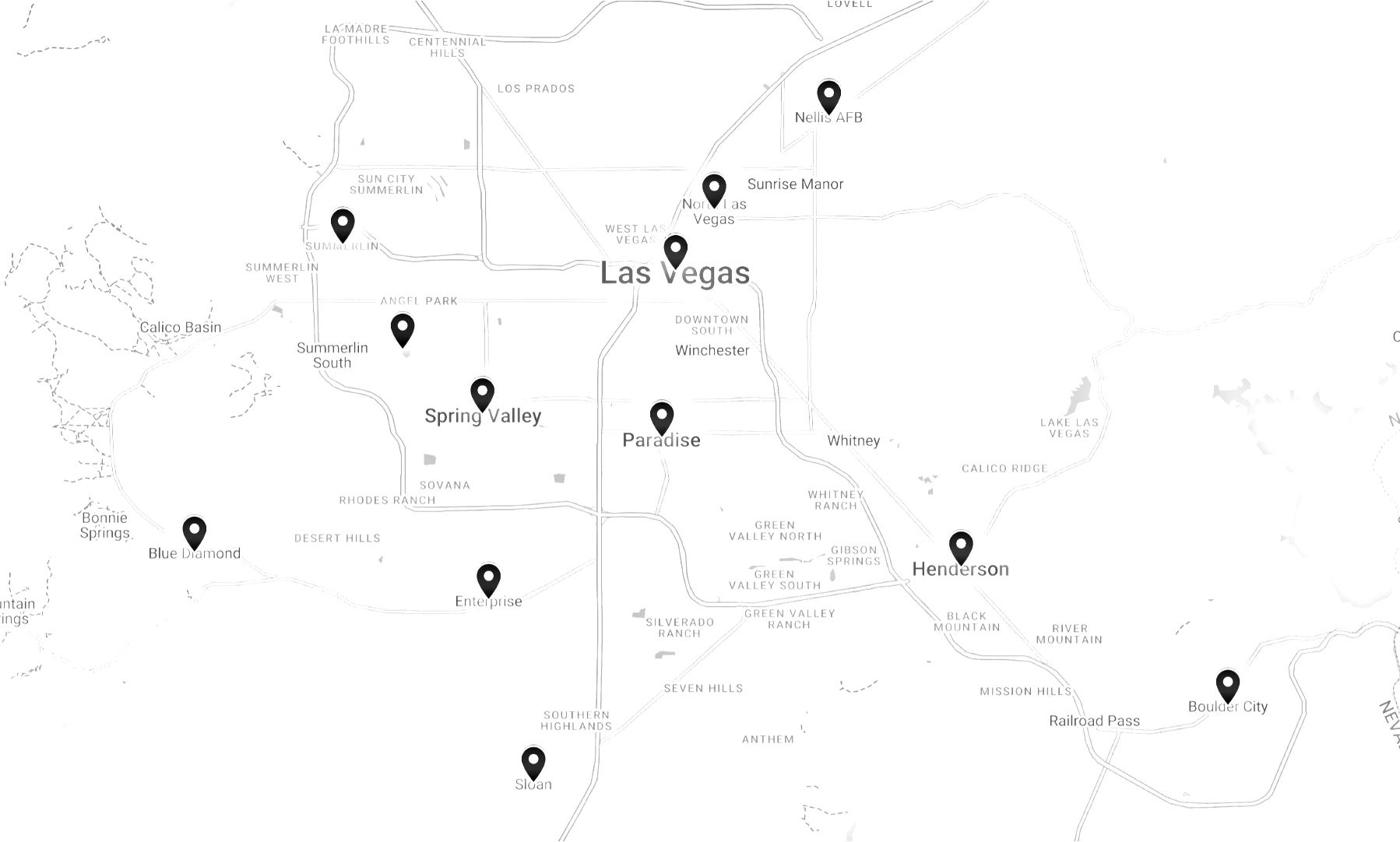
We serve the whole Las Vegas valley All 17 areas
AC Compressor Repair in Boulder City. Same trucks and same technicians across all 17 areas below. Desert heat wears a system the same way whether it sits on a Henderson roof or in a Skye Canyon attic.
West valley
North valley
East & south