
Compressor Replacement in Boulder City, NV
- 24/7 Emergency Service
- Financing Available
- A+ BBB Rated
- Licensed & Insured
Signs Your Boulder City Compressor Needs Replacing
A compressor rarely needs replacing without clear evidence, and the signs point to a failure that a smaller repair cannot fix.
- The compressor will not start even after the capacitor and contactor have been addressed
- Burned windings or an electrical short confirmed by testing at the compressor
- The system tripping its breaker every time the compressor tries to run
- No cooling at all with a correct charge and a working fan
- A compressor that has overheated repeatedly and now fails to build pressure
- Metal contamination in the refrigerant from an internal compressor failure
The age of Boulder City’s equipment is the backdrop to most replacements here. Decades of preserved housing and older commercial buildings mean many compressors have logged long years under heavy desert load, and a fan failure or a low charge left unaddressed can push an already tired compressor past the point of repair. When that happens, replacement is the path back to cooling.
Repair First, Replace When Necessary
A failed compressor does not always mean the compressor itself was the original problem. A stopped condenser fan, a low charge from a leak, or a bad capacitor can all overheat and kill a compressor, so the diagnosis confirms the compressor has genuinely failed before replacement is recommended. When a repair will restore the system, that is the path taken. Replacement is reserved for a compressor that is truly beyond saving, and even then the cause behind the failure is addressed so the new one does not meet the same end.
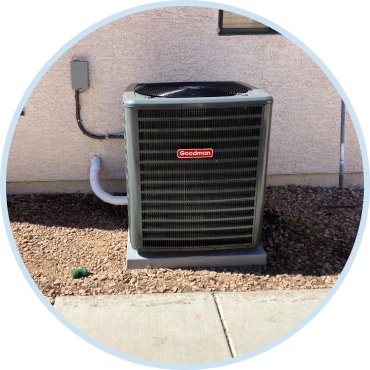
What Goes Into a Compressor Replacement
A compressor replacement is a precise job, not a simple swap. Done right, it protects the new part and the rest of the system.
-
Recovering and evacuating the system
The old charge is captured through proper refrigerant recovery rather than vented, and the system goes through system evacuation and recharge so moisture and air are pulled out before the new charge goes in. Skipping the evacuation traps contaminants that will damage the new compressor.
-
Matching the new compressor
A new compressor installation only lasts if the part fits the system, so it is chosen by matching compressor tonnage and confirming R-410A compatibility or the correct refrigerant for the unit. A mismatched compressor runs wrong and fails early, which is why the match is verified before anything is installed.
-
Protecting the new compressor
An internal compressor failure spreads debris through the lines, so a filter drier replacement is part of every job, clearing contaminants and moisture that would otherwise reach the new compressor. It is a small part that guards a large one.
-
Warranty and workmanship
A new compressor carries a compressor warranty that only holds when the installation follows manufacturer procedure, so the recovery, evacuation, matching, and filter drier are all documented. Doing it to spec keeps the warranty intact and the new part covered.

The Services Around a Compressor Replacement
A replacement connects to the repair that might have saved the compressor and to the home system it serves. These related services often come up.
-
AC compressor repair
Not every compressor problem needs replacement, and when a repair such as a hard start kit or an electrical fix will restore it, that is the first path considered.
See Details
-
Residential AC repair
A compressor replacement is one possible outcome of a home cooling diagnosis, and full residential service covers the rest of the system around it.
See Details
-
Full AC repair
When the compressor tests sound and the fault sits elsewhere, full air conditioning service covers the refrigerant, the airflow, and the controls.
See Details
-
Emergency AC repair
A dead compressor that leaves a home or business without cooling in peak heat cannot always wait, and after-hours dispatch covers those urgent failures.
-
HVAC contractor services
Compressor replacement is one part of the full heating and cooling range the licensed team handles, up through complete system replacement.
Replace the Compressor or the Whole Unit
When a compressor fails on an older system, the honest question is whether to replace compressor or whole unit. On a newer, efficient system a compressor replacement makes clear sense, while on an aging unit the cost of the compressor against a system that is near the end of its life may favor full replacement. The numbers are laid out both ways, the compressor job against the age, efficiency, and condition of the system, so you can decide with the full picture rather than being steered toward the larger cost.
Inside a Compressor Replacement
Every replacement follows the same order, built to protect the new compressor and the system around it.
- The technician confirms the compressor has failed and identifies the cause, so the underlying fault is fixed rather than repeated.
- The refrigerant is recovered properly, and the failed compressor is removed and inspected for what took it down.
- A matched compressor is selected by tonnage and refrigerant type, and a new filter drier is installed to protect it.
- The system is evacuated to pull out moisture and air, then charged to the manufacturer’s spec.
- The system runs while pressures, temperatures, and cooling are verified, and the warranty paperwork is completed, so you leave with a covered, properly running system.
The Cost of a Failed Compressor
A failed compressor is the most consequential AC repair there is, and how it is handled matters as much as the part itself. A replacement rushed without proper recovery, evacuation, and a new filter drier leaves moisture and debris in the system that kill the new compressor within a season, turning one large bill into two. Addressing the cause behind the original failure and installing the replacement to spec is what makes the investment last, and it is the difference between a repair that holds for years and one that fails again by next summer.

Done to Manufacturer Spec
The failure mode that costs owners most on a compressor is a shop that swaps the part without proper recovery, evacuation, or a new filter drier, so the new compressor fails early and the warranty is void. Pure Plumbing & Air follows manufacturer procedure end to end and documents it, so the replacement lasts and the coverage holds. The company has serviced valley air conditioners since 2013 and holds Nevada licenses #77906 and #88741, verifiable through the Nevada State Contractors Board, which holds the work to state standard.
Service runs 24/7 for the failures that leave a property without cooling in peak heat, and a Pure Plan membership adds seasonal maintenance that catches the fan and charge problems that take compressors down in the first place. The company carries positive reviews across the valley for thorough, to-spec work and upfront pricing.
Reaching Boulder City From the Shop
Pure Plumbing & Air runs from a single shop on the Las Vegas side and reaches Boulder City in a routine scheduled window, usually inside about half an hour. Compressor diagnostics and replacement cover homes and businesses throughout the city and the neighboring Henderson and Lake Mead corridor. An address at the edge of that range is a quick call to confirm.
Compressor Replacement FAQs for Boulder City, NV
Get Cooling Back With a Proper Replacement
A failed compressor means no cooling, and how the replacement is done decides whether the fix lasts. Pure Plumbing & Air confirms the failure, fixes its cause, and installs a matched compressor to manufacturer spec for Boulder City homes and businesses, with the warranty documented and cooling verified before the truck leaves. Call (725) 210-6034 to schedule your diagnostic.
HVAC Services We Offer Includes:
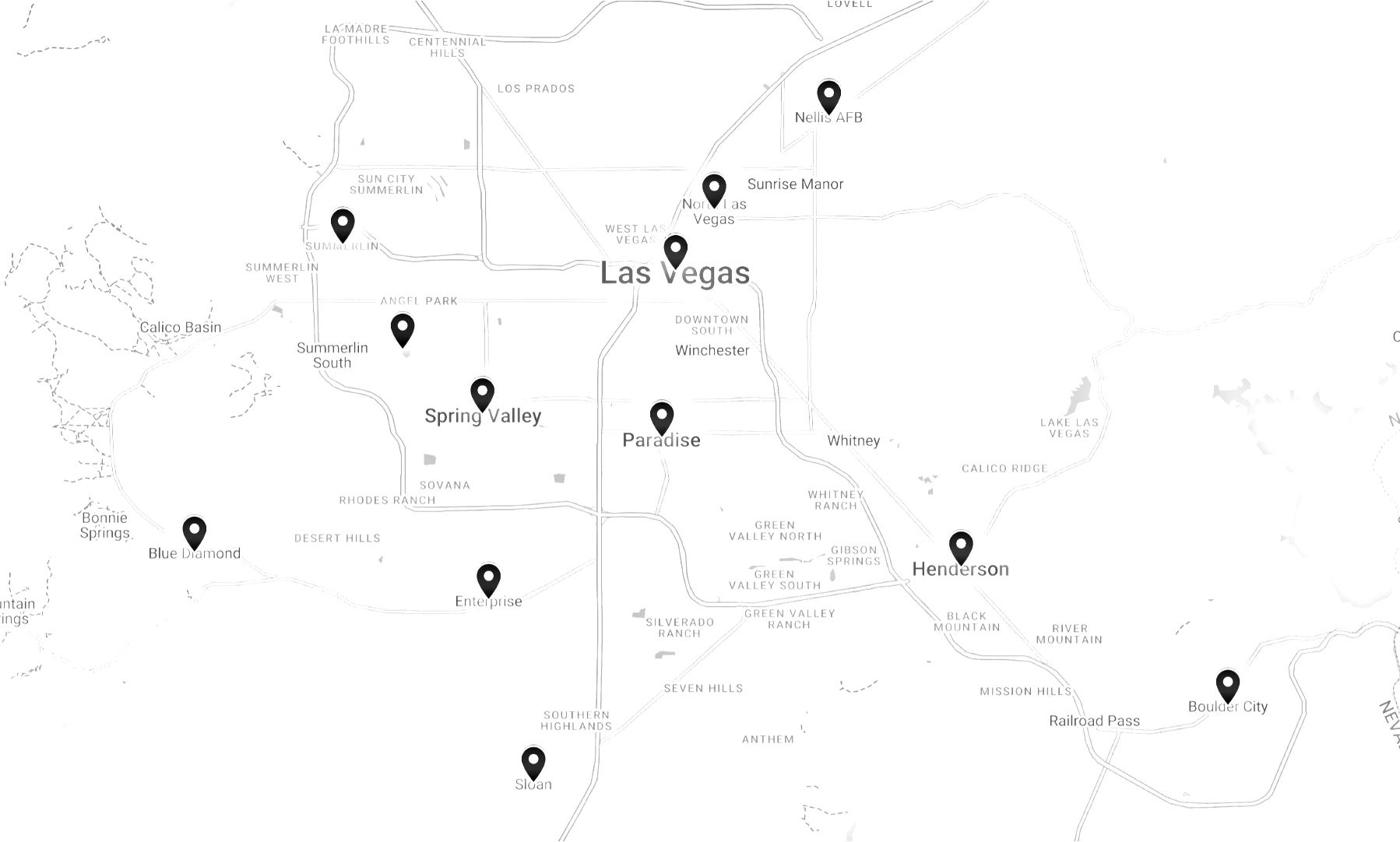
We serve the whole Las Vegas valley All 17 areas
Compressor Replacement in Boulder City. Same trucks and same technicians across all 17 areas below. Eight to nine months of run time a year is hard on equipment anywhere in this valley.
West valley
North valley
East & south