

Nobody budgets for a furnace. The decision usually shows up uninvited, on a cold night, attached to a repair quote you weren’t expecting. Knowing when to replace a furnace in Las Vegas comes down to a short list, age, repair history, a couple of hard signs, and one or two decisions that ride along with it. This post lays out the honest version, including the situations where repair still wins. And if the answer lands on a new system, furnace and heat pump installation from Pure Plumbing & Air is the page to start from.
The Math That Actually Decides It
Start with two questions. How old is it, and what has it cost you lately?
Age first. A gas furnace generally lasts somewhere in the fifteen to twenty year range, and Vegas bends that number in a strange direction. Our winters are short, so the burners here live an easy life compared to a furnace in Denver. The blower is a different story. That same blower moves air for the AC all summer, every summer, which means a fifteen-year-old furnace in this valley has a lightly used heating side bolted to a heavily used air mover. Low mileage on paper, high mileage where it counts. It’s why age alone makes a poor verdict in this market, and why the second question matters just as much as the first.
Then the repair history. One repair in a decade means nothing. But if a tech has been out every winter for the last three, that isn’t bad luck anymore, that’s a pattern, and patterns in old equipment only ever run one direction. The visits get closer together and the invoices get bigger. Dig out the receipts and actually add them. Most people have never done it, and most people are surprised. There’s a rough rule techs use that weighs the repair quote against how old the unit is and how much life is realistically left, and on an old furnace with a big quote, that rule usually lands on stop. It’s a rule of thumb, though, nothing more. A seventeen-year-old furnace that’s never given anyone trouble and needs a cheap part? Fixing that can be completely reasonable. What matters is doing this math at the kitchen table, with the numbers written down, instead of doing it in your head while the house gets cold.
The Signs That End the Debate
Some findings don’t care about any of that math.
The main one is a cracked heat exchanger. That part is the wall between the combustion gases and the air your family actually breathes, so a crack there isn’t a normal repair conversation. Partly because the part itself costs so much, mostly because of what the crack risks while you wait. If a tech tells you they found one, ask to see it. On the camera, in a photo, whatever they’ve got. A real finding survives being shown. While you’re thinking about all this anyway, make sure the CO alarms in the house work, and go learn the carbon monoxide warning signs even if your furnace turns out fine. Alarms are cheap. They’ll outlive this furnace and probably the next one, and the batteries take a minute twice a year.
The slower sign is the gas bill. Nothing about how you live changed, but the winter bills keep creeping up anyway. That’s the furnace getting less efficient and charging you for the difference. Add in the other stuff, odd noises, rooms that won’t even out, cycles that run and run without ever satisfying the thermostat, and you start to see where things stand. There’s a full rundown of the red flags of a failing heater worth reading if a few of those sounded familiar. No point repeating the list here. If you recognized your furnace in this paragraph, you already know.
Decisions That Travel in Pairs
Here’s the part most replacement articles skip. Around here, the furnace rarely makes this decision alone.
The furnace and the AC share more than a closet. Same blower, same duct connection, and in most houses the same install date. Which means when the furnace reaches replacement age, the AC standing next to it is the same age with more hours on it, since cooling does the heavy lifting in this climate. One summer here puts more runtime on an AC than some units in milder places collect in a year. Replacing them together often makes sense for exactly that reason, one install, matched equipment, one warranty clock, though it’s a bigger check and it isn’t automatic. The cooling side runs its own version of this same calculation, and deciding whether to repair or replace your AC walks through it.
Replacement day also opens a door that stays shut the rest of the time. Once you’re buying new equipment anyway, the question of whether the next system should even be a gas furnace is suddenly free to ask, and plenty of valley homeowners are asking it. That fork gets covered properly in heat pump vs gas furnace, the full comparison. The one-line version, mild desert winters sit close to a heat pump’s best-case scenario, which is why the question deserves ten minutes before the replacement gets ordered.

What Replacement Looks Like Here
Say the answer comes back replace. A proper install follows a recognizable shape, and it’s worth knowing what that shape looks like before you sign anything.
It starts with sizing, and sizing means somebody measures. The right contractor works out what the actual house needs, the windows, the insulation, the duct condition, which way it faces, rather than glancing at the sticker on the dying unit and ordering that number again. Twenty years changes a house. Rooms get added. Windows get swapped out. Attic insulation gets topped up, or settles and thins. None of that is on the old sticker, which is the whole problem with matching it.
Permits and inspection are part of the deal too, not an optional extra, and a contractor who waves them off is telling you something. An install also isn’t finished at the thermostat. The startup should include a complete test cycle, a walkthrough of the new controls, and the paperwork proving the inspection happened. The details of how an install actually runs, timeline, process, what comes included, live on the installation page linked up top.
One timing note. If the furnace is limping but alive, the shoulder seasons are the smart window. Fall and spring replacements get scheduled on your calendar, with room to compare options and equipment, instead of being settled in one cold afternoon in January. Nobody chooses well while the house is getting colder by the hour.
Frequently Asked Questions
Is it worth fixing a 15-year-old furnace?
Sometimes, genuinely. A small repair on a unit that’s been reliable can buy years. What changes the answer is scale and pattern, a major component failing, or the third repair in three winters. At that age the money question isn’t just what the fix costs, it’s what you’re buying with it, and on an old furnace you’re often buying months.
How long does a furnace last?
Fifteen to twenty years for a gas furnace, honestly stated, and where a given unit lands in that range mostly comes down to how it was maintained. Las Vegas complicates the picture a little. The heating side barely works here, our winters are that short, but the blower pulls summer AC duty too and racks up its own wear. So once a furnace passes fifteen, stop treating big repair quotes as bills and start treating them as decision points.
Should the furnace and AC be replaced at the same time?
It’s worth pricing, not assuming. They share the blower and the ducts, they’re usually the same age, and the AC works harder here than the furnace does. Doing both at once means matched equipment and one install. Doing just the furnace is fine too, when the AC has real life left in it. The ages decide, not the sales pitch.
Is it cheaper to replace a furnace in the off-season?
The dependable advantages are scheduling and headroom. In fall or spring, installers have calendar room, you have time to compare quotes, and nobody is deciding anything while the house sits cold. Whatever the price does, the decision quality improves, and rushed January replacements are where regret usually comes from.
Next Steps for Las Vegas Homeowners
Three pieces of homework turn this from a guess into a decision.
1. Find the age. The manufacture date hides on the cabinet’s data label, usually inside the serial number. Write it down.
2. Add up the history. Pull the repair receipts from the last three winters into one total. That number does a lot of clarifying.
3. Get both quotes. Book a repair visit for the current problem and ask for a replacement estimate alongside it, then set the two side by side against the age and the receipts. Any company comfortable being compared will hand you both numbers without flinching.
With those three numbers on one page, the decision largely writes itself. And for background on what all this equipment actually does, how your heating system works has the longer explanations, worth a read before you shop.
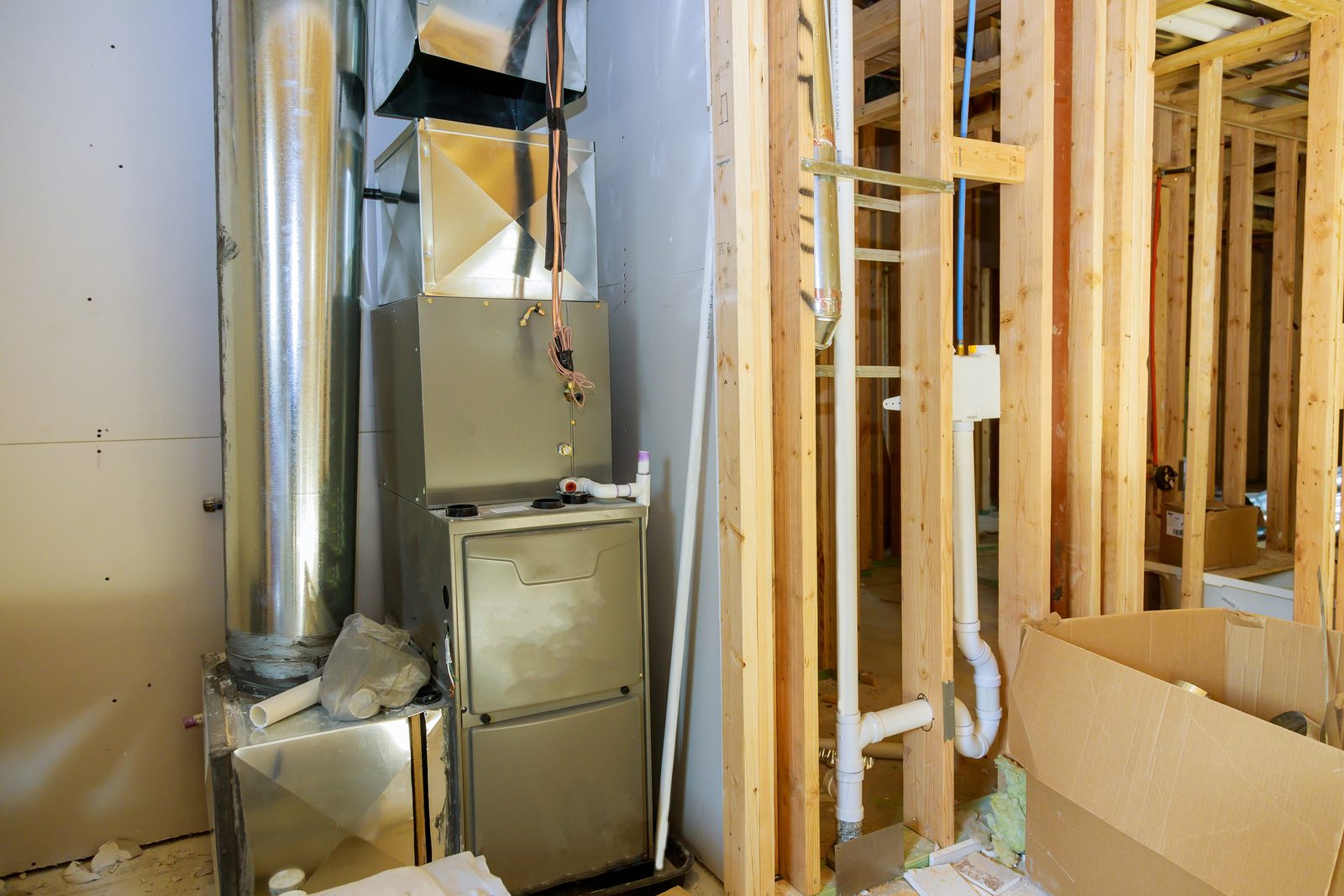
A furnace tells you when it’s done, through the receipts, the bills, and the findings, long before it quits outright. The homeowners who come out ahead do the math at fifteen years instead of at midnight in January. Check the label, add the receipts, get the quotes side by side. However it comes out, replace or repair one more time, it’ll be a decision you made, not one the weather made for you.
