

Most heating replacements in this valley start with a dead system and a deadline, and the heat pump vs gas furnace question lands in the middle of that stressful week. Both machines heat Las Vegas homes well, which is exactly why it feels hard.
Most of the answer’s already sitting in your house, starting with the gas line and the age of the air conditioner. Homeowners comparing heat pump services in Las Vegas against a furnace swap can settle the question with a handful of practical checks, not a stack of brochures.
The Short Answer for Las Vegas Homes
Both systems handle this climate without strain.
The mild winter gives heat pumps a real advantage here, since one machine covers the whole year and the valley rarely produces the deep cold that gives them trouble. A home that already has gas service and ductwork in good shape often does better with a straightforward furnace swap, because the project stays small and recovery comes fast. What decides it is your house, not the equipment catalog.
Two Different Ways to Make Heat
The two machines reach the same room temperature by different routes, and that difference shows up in comfort and in the utility bill.
Heat Pumps Move Heat and Also Cool
A heat pump doesn’t generate heat. It moves it.
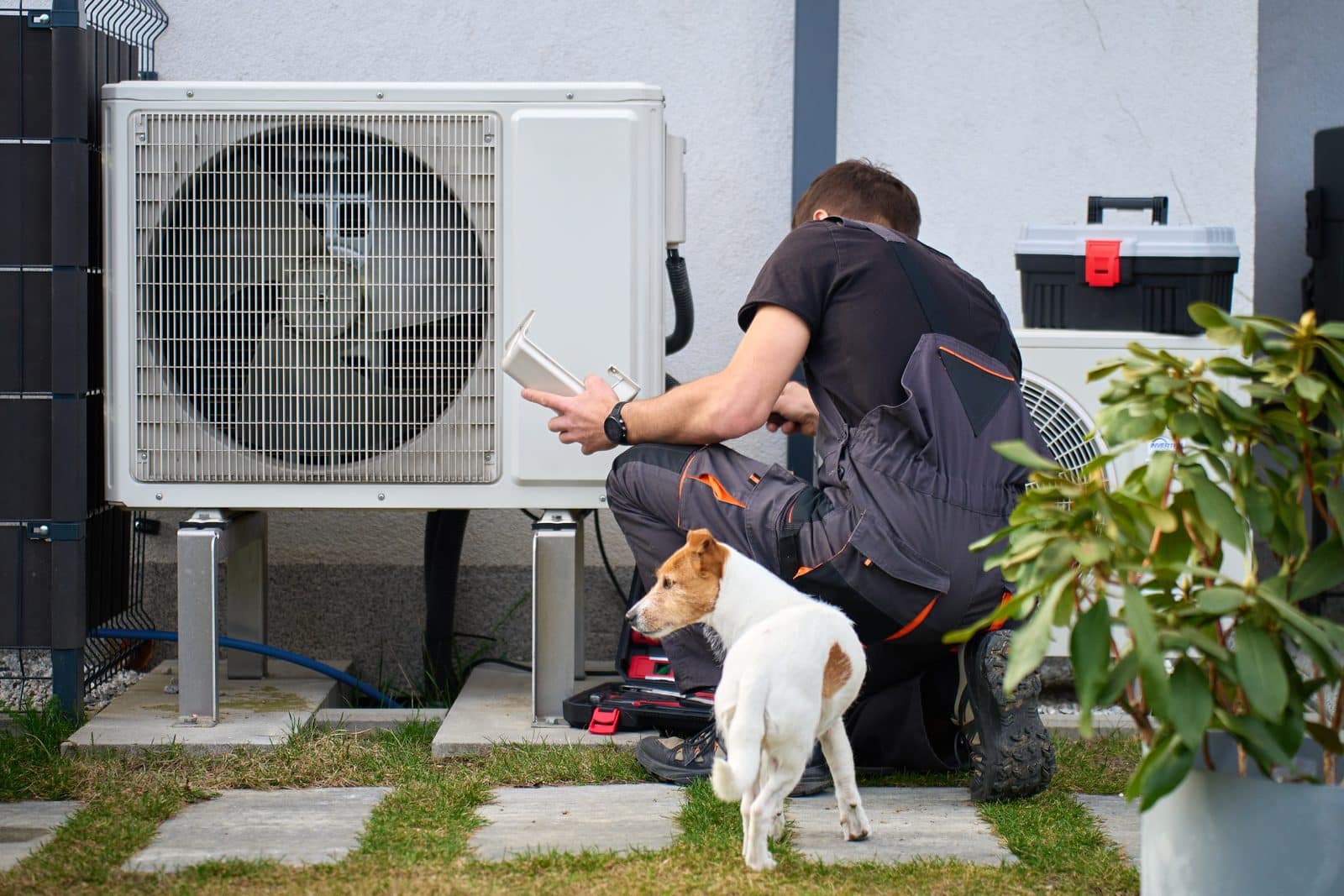
Refrigerant picks up warmth from the outdoor air, even on a cool day, and carries it inside. Summer runs the same process in the opposite direction, which is why one unit replaces the air conditioner and the heater. The U.S. Department of Energy keeps a thorough explainer on heat pumps on the mechanics. A heat pump delivers steady, moderate air over longer cycles rather than short blasts of very hot air, and an all-electric home can run one with no gas line.
December in Las Vegas averages overnight lows near 40 degrees per the NOAA climate normals, well inside what modern units handle.
Gas Furnaces Burn Fuel for Fast, Steady Heat
A furnace makes its own heat.
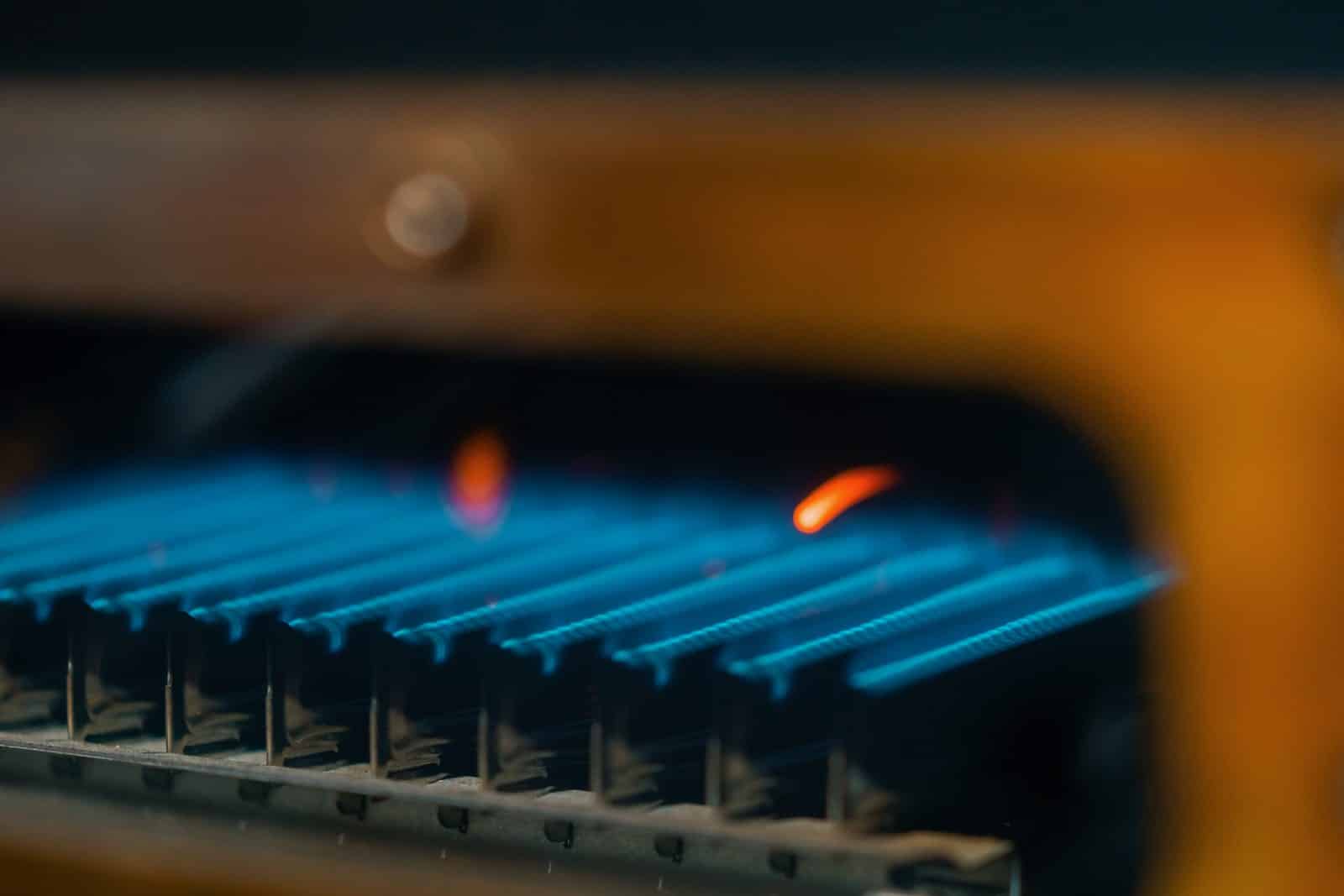
Natural gas burns inside a sealed heat exchanger, air passes over the hot metal, and the ducts carry the result through the house. The air comes out of the registers hotter than heat pump air, and a cold house recovers fast once the thermostat goes up. A furnace heats only, so it pairs with a separate air conditioner for the summer side. Most valley homes were built around this pairing, and the local depth of parts, technicians, and furnace and heating services shows it.
Efficiency Labels in Plain Words
Three ratings cover the category. AFUE belongs to furnaces, and it tells you how much of the fuel becomes usable heat. HSPF2 is the heat pump heating number, warmth delivered per unit of electricity. SEER2 covers the cooling side of either setup. Higher numbers mean less waste.
These ratings matter most on replacement day, since whatever label you buy rides along for the equipment’s whole life.
Side-by-Side Comparison
A quick table puts the differences in one place. Dollar amounts stay out of it. Real numbers come from a home visit, not a chart.
| Heat Pump | Gas Furnace | |
|---|---|---|
| Heat source | Moves heat from outdoor air using refrigerant | Burns natural gas inside a sealed heat exchanger |
| Cooling included | Yes, the same unit cools the home in summer | No, pairs with a separate air conditioner |
| Fuel or utility | Electricity only | Natural gas, plus electricity for the blower |
| How the heat feels | Steady, moderate air over longer cycles | Hotter air at the registers, fast recovery |
| Gas line needed | No | Yes |
| Maintenance needs | Year-round duty, so twice-a-year service matters | Annual fall service with burner and safety checks |
| What affects lifespan | Runs all year, so total run hours add up sooner | Rests most of the year here, though idle-season dust still takes a toll |
Four Questions That Settle the Choice
Four checks on the house narrow it faster than any spec sheet.
Is Gas Already at the House?
Gas service at the property is the biggest fork in the road. A home with no gas line makes the heat pump the natural answer, since adding gas service puts a project on top of a project. A home with gas already connected keeps both options open, and the other checks break the tie.
How Old Is the AC?
Replacement timing links the two sides of the system. A heat pump replaces the air conditioner and the heater in one move, so a tired AC strengthens the heat pump case. A furnace swap keeps the existing air conditioner in place, which makes sense when the cooling side’s still young and healthy.
What Shape Are the Ducts In?
Both systems depend on the same ductwork. Leaky runs waste either machine’s output. A duct check belongs in any replacement estimate either way, because new equipment pushing air through failing ducts is a disappointing result at full price.
Rooms that heat unevenly today usually mean a duct conversation tomorrow.
Would Dual Fuel Fit?
Dual fuel pairs a heat pump with a gas furnace as backup. The heat pump carries the mild majority of the winter, and the furnace takes over on the coldest nights. The setup costs more up front and suits households that want heat pump economy without giving up furnace muscle. Las Vegas winters are mild enough that dual fuel ends up being a comfort choice here more than a necessity.
A good replacement estimate looks the same whichever way the house leans.
A load calculation sizes the equipment to your actual home, a duct check confirms the delivery side can carry it, and written options for both system types let you compare like for like. An estimate that’s missing any of the three deserves a second opinion.
Frequently Asked Questions
What is the difference between a heat pump and a furnace?
A heat pump moves existing heat from the outdoor air into the house and reverses to cool in summer, all on electricity. A furnace creates heat by burning gas and handles only the heating side. Everything else flows from that split, from the utility bill to how warm the air feels.
Is a heat pump efficient enough for Las Vegas winters?
Yes. Heat pumps lose ground in deep, sustained cold, and the valley rarely supplies any. Average December lows near 40 degrees sit well inside the operating range for modern units. Backup heat strips and dual fuel setups exist for the few hard-freeze nights.
What affects the cost of a heat pump vs a gas furnace?
Equipment type and size lead the list, and gas line work matters when service has to be added. Ductwork repairs add scope, and an older electrical panel can need an upgrade before a heat pump goes in. Whether the air conditioner gets replaced in the same project changes the total more than anything else.
Can a home have both a heat pump and a furnace?
Yes, and the pairing has a name. Dual fuel systems run the heat pump for most of the winter and switch to the furnace when a cold snap calls for faster recovery.
Should I get a heat pump or an AC and furnace?
Age and gas access decide it in most homes. Replacing both sides of an aging system at once favors the heat pump, since one machine covers the whole year. A home with a healthy air conditioner and one dead furnace usually does better swapping just the furnace. The wrong answer is forcing either setup onto a house built for the other.
Next Steps for Las Vegas Homeowners
Four checks prepare the household for a useful estimate. The age of the furnace and the air conditioner comes first, since anything past the ten-to-fifteen-year range usually belongs in the replacement conversation. Gas service is worth confirming, and any rooms that never match the thermostat belong on the same list, because uneven rooms often point at ductwork.
Each bidder should hand over a written comparison of both system types, load calculation included.
Neither machine wins this comparison outright.
Mild winters and aging air conditioners push toward heat pumps, and so does all-electric construction. A house with gas already connected, a healthy AC, and a taste for fast, hot recovery leans the other way. The broader Las Vegas homeowner’s HVAC guide covers how each machine fits the rest of the system, and the house settles the rest.
