

Water under a furnace gets people’s attention fast, which is fair, because furnaces are supposed to make heat, not puddles. Here’s the part that helps. A furnace leaking water in Las Vegas usually has one of four explanations, three of them are routine, and only one means shut it down right now. This post sorts them out by where the water actually comes from, since the fix depends entirely on the source. And when the source turns out to need a pro, furnace and heating repair in Las Vegas from Pure Plumbing & Air covers the whole list below.
A Furnace That Makes Water on Purpose
Start with the question most people never think to ask. Is your furnace supposed to produce water? If it’s a high-efficiency model, the answer is yes, every single day it runs. These units pull so much heat out of their exhaust that the moisture in it condenses back into liquid, and the furnace sends that water down a small drain line, through a trap, sometimes into a little pump that lifts it over to a drain. Gallons of it across a season. All of that is normal and invisible, right up until something in the path clogs.
The drain line is plastic and narrow, and it collects gunk the way any drain does. The valley’s hard water doesn’t help, since mineral scale narrows whatever it touches. A clogged trap backs water up into the cabinet. A failed condensate pump just lets it pool where it lands. The giveaway for this whole category is clear water under a furnace built in roughly the last fifteen years, and the fix is usually clearing the line or swapping the pump, which sits on the small end of repair bills.
The Puddle That Comes From Upstairs
Now for the cause that fools the most people in this town. Around most of this valley, the indoor AC coil sits in a cabinet directly above or beside the furnace. Same closet, same platform, stacked like an apartment building. When that coil’s drain pan cracks or its drain line clogs, the water obeys gravity, runs down, and shows up under the furnace. The furnace gets blamed for the AC’s mess constantly. If the puddle appears while the cooling is running, suspect the coil first, because evaporator coil and drain pan repair is the fix that actually matches that problem.
The shoulder season adds a stranger version. Spring and fall here run the AC through warm afternoons and the heat through cold nights, and a coil that iced over during the day’s cooling, usually thanks to a dirty filter or low refrigerant, melts off after sundown. The water arrives hours after its cause, right when the furnace happens to be running, which makes the furnace look guilty. frozen AC repair covers that one.
So note what was running when the water appeared. Cooling points up at the coil. Heating points at the furnace itself. Both in the same week is practically a Las Vegas signature.
The Vent Pipe Version
Older, standard-efficiency furnaces can leak for a different reason, and it happens mostly on cold mornings. Their exhaust leaves hot and moist through a metal flue, and when that flue is cold enough, the moisture condenses inside it before it can escape, then dribbles back down. The evidence shows up as rust streaks or white crusty staining around the flue collar up top, and the drips tend to appear early in the day, then stop. Sometimes the flue is the wrong size or has sagged over the years, and the condensation turns chronic instead of occasional. High-efficiency units have their own version of this, a secondary heat exchanger that can crack and weep, though confirming that takes a pro. Vent problems deserve prompt attention either way, because flue condensate is mildly acidic and eats metal patiently.
When the Furnace Is Innocent
Sometimes the furnace is just standing in the wrong place. Garage and closet installs in this valley usually park the water heater a step away from the furnace, and a water heater that starts leaking doesn’t keep its water politely at its own base. Water finds the low spot in the slab, and the low spot is often under the furnace. Before blaming the furnace, look over the water heater’s fittings and the floor around its base, because water heater leak repair solves a decent share of furnace puddle calls.
The slab itself can be the source too. A supply line running under or through the pad can seep for weeks, and the water surfaces wherever it finds a seam, which may be nowhere near the actual leak. If the puddle returns with everything shut off, no AC, no furnace, no obvious appliance, that’s the pattern of finding and fixing a water leak rather than anything HVAC.
A dry towel is the cheapest diagnostic tool there is. Wipe everything down, then watch where the first new moisture shows up and when it gets there.
Water and Electronics Don’t Negotiate
Most furnace water problems can wait a day or two for a convenient appointment. One can’t. If water is reaching the control board, the wiring, or anywhere near the gas valve, the wait-and-see period is over. Water and live electronics settle their disagreements expensively, and a shorted board can turn a simple drain clog into a four-figure repair.
The move here is simple and safe. Every furnace has a service switch nearby, it looks like an ordinary light switch, and flipping it off cuts power to the unit without opening anything. Shut it down, keep towels on the floor, and make the call. Water touching controls is exactly the kind of problem emergency furnace service exists for, since it schedules itself no better than any other failure.
Who Should Open the Cabinet
Water work on a furnace crosses two licensed trades, and whoever you hire should be comfortable in both. Nevada makes the checking easy. Every legitimate company’s number sits in a public database the Nevada State Contractors Board runs, and searching it takes under a minute. Past the license, judge them the way you’d judge anyone doing work in your house. The diagnosis comes before the price. The explanation uses words you already know. The price shows up on paper before any panel comes off. And a company that finds the water heater guilty should say so plainly, even when they were called out for the furnace.
Frequently Asked Questions
Is it normal for a furnace to leak water?
Two different questions hide in there. A high-efficiency furnace making condensate is completely normal, that’s the design working. That water showing up on your floor is not. The system is supposed to carry it away quietly, so a visible puddle always means something in the path failed, even when the something is small.
Why is there water by my furnace in summer?
Because it’s probably not the furnace. The AC’s indoor coil usually lives in the same cabinet stack, and in summer it’s the only thing up there producing water. A clogged coil drain or a cracked pan sends that water down onto whatever sits below, and what sits below is the furnace. It’s just the floor the AC drips on.
Can I keep running a furnace that’s leaking?
Depends where the water is. A slow drip confined to the floor, away from wiring and controls, can usually wait for a normal appointment. Water climbing toward the control board can’t. When in doubt, flip the service switch off. A cold night is cheaper than a cooked board.
How do I tell what’s actually leaking?
Dry everything with a towel, then pay attention to the clock. Water that returns while the AC runs points at the coil. Water that shows up on cold mornings points at the flue. Water that comes back with everything switched off points at plumbing. Note the timing and what was running, and you’ve done half the diagnosis before anyone arrives.
Next Steps for Las Vegas Homeowners
Watch the water for a day before the visit and the visit gets shorter. Do these.
1. If water sits anywhere near wiring or controls, flip the furnace’s service switch off first. It’s the switch mounted on or beside the cabinet.
2. Towel the floor dry, then note when moisture returns and what was running at the time.
3. Check the filter. A choked filter helps coils freeze, and frozen coils become puddles by evening.
4. Take a photo of the puddle at its widest. The shape and location tell a tech plenty.
Most condensate problems announce themselves in the first week of heating season, which is exactly why a pre-season heating tune-up includes clearing the condensate path before the season leans on it. Here is what a furnace tune-up covers, step by step.
For the wider picture of how the heating and cooling halves share one cabinet, the guide covering how your heating system works is the background read.
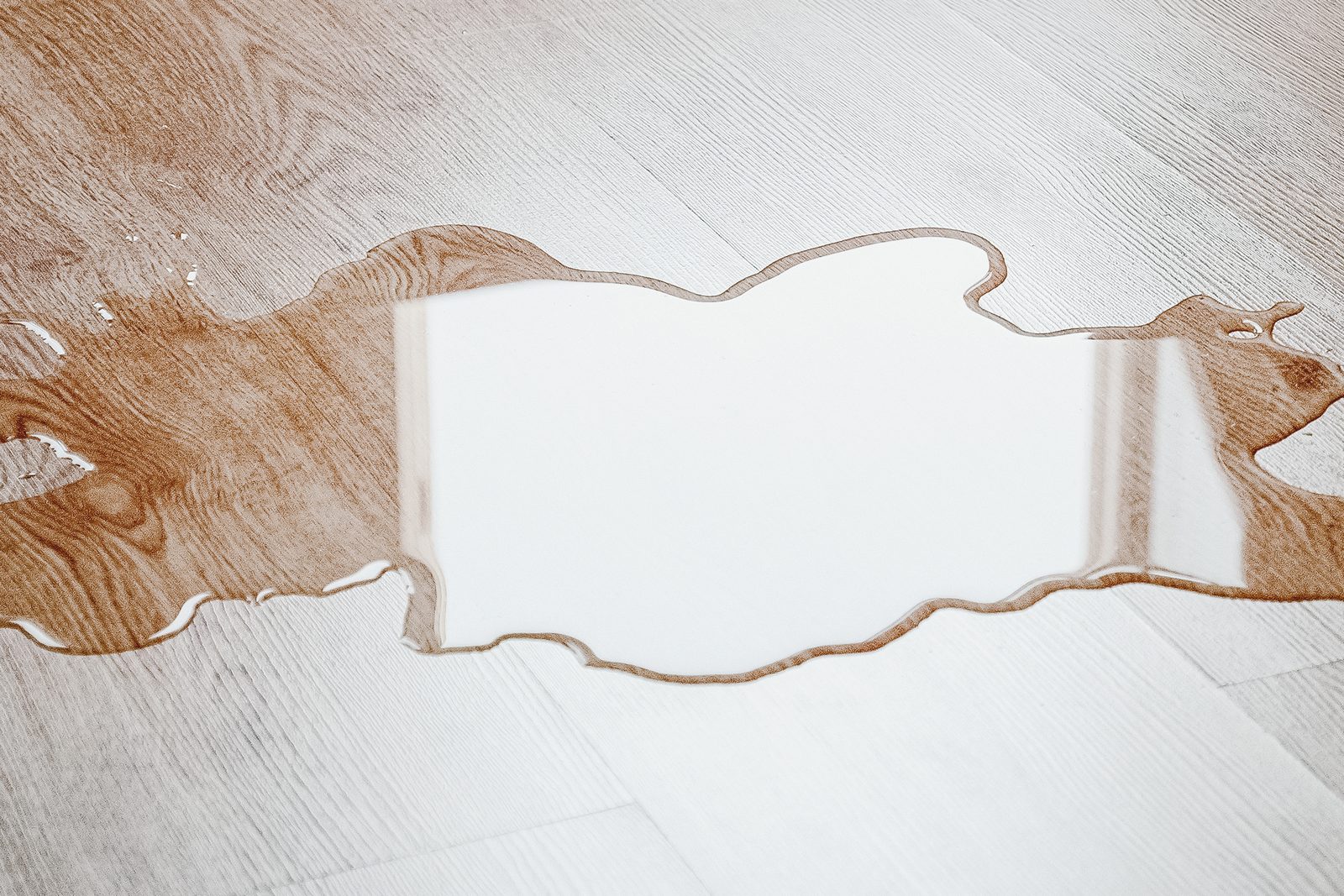
Four sources, then. The condensate path, the AC coil living upstairs, a cold flue on a cold morning, and a neighboring appliance or pipe borrowing floor space under the furnace. Three of them are patient. Water touching controls is the one that isn’t. Watch the timing, keep the towel handy, and the puddle usually confesses before anyone opens the cabinet.
