

Why is my AC leaking water onto the hallway ceiling in the driest city in America? North valley homeowners ask that mid-monsoon, usually right after spotting a brown ring spreading across the drywall. The answer starts with a fact most people never think about: a healthy air conditioner produces gallons of water every summer day, and all of it depends on one narrow pipe staying clear. Here is where the water comes from, the six failures that put it on your floor, and the safe way to deal with each one.
Water and Refrigerant Leaks Are Different Problems
The first job is telling the two leaks apart. Clear, odorless water pooling near the indoor unit or dripping from a ceiling is condensate, the moisture the system pulls out of your air, and it points at a drainage failure. An oily residue at the fittings, a faint hissing near the lines, or a sweetly chemical smell points at refrigerant instead, which is a sealed-system repair rather than a drainage fix. The two get confused constantly because both show up as an ac leaking water complaint on the surface. Condensate problems are the far more common of the pair, and the good news is that most of them are inexpensive to correct.
Six Failures That Put AC Water on the Floor
Every drop the coil wrings from your air is supposed to travel down the condensate line and exit outside. Six things break that journey.
A clogged condensate drain line
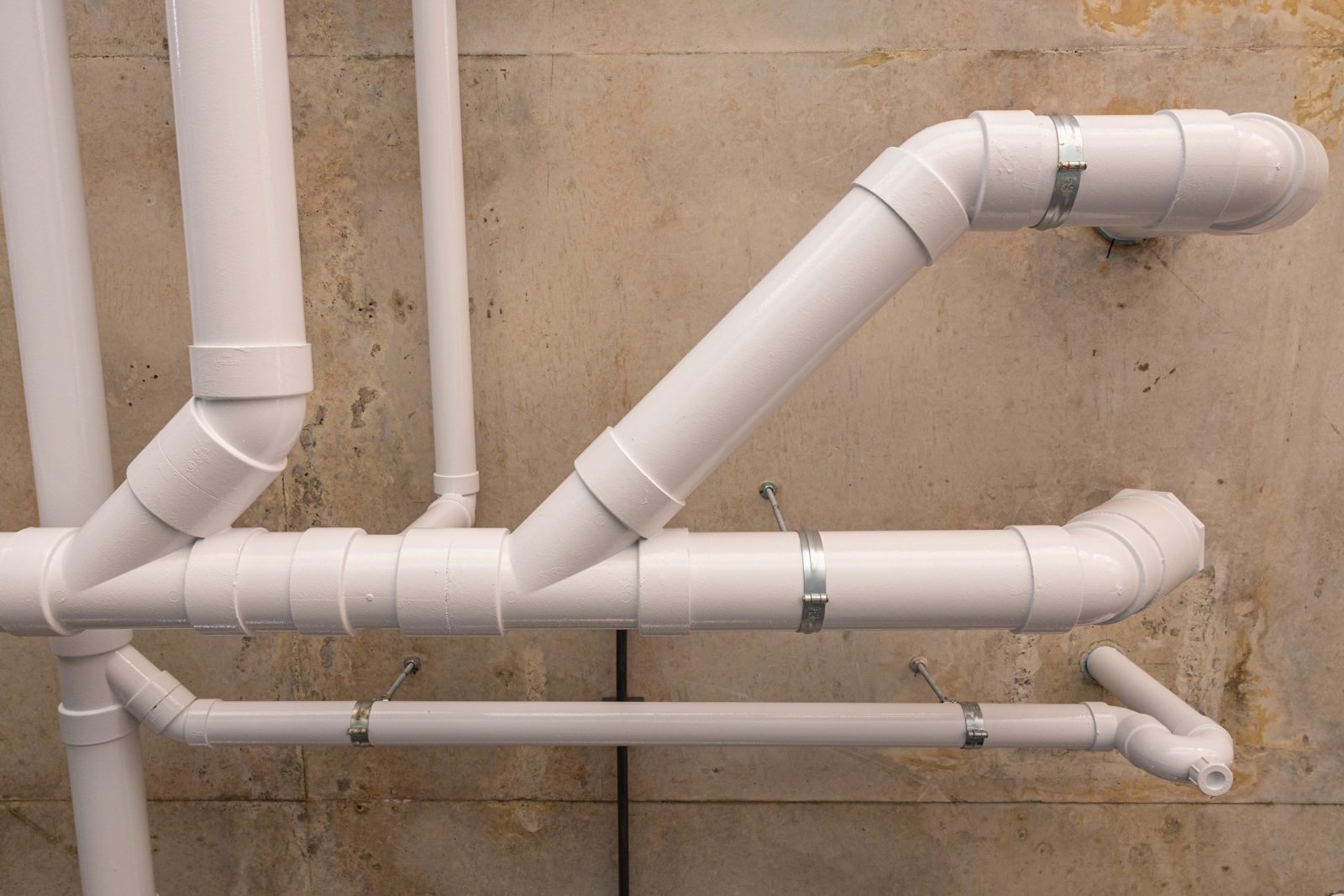
The number one cause by a wide margin. Algae, desert dust, and coil debris settle into sludge inside the narrow PVC line, and a season or two of buildup seals it. Water backs up the pipe, fills the pan, and finds the ceiling. An ac drain line clogged with monsoon-season growth is the classic August service call across the valley.
A cracked or overflowing drain pan
The pan under the indoor coil catches the runoff. Pans rust through on older systems and crack on brittle plastic ones, and even a sound pan overflows the moment its drain clogs. Rust stains around the pan edges tell the story before the first drip does.
A frozen coil mid-thaw
A coil that iced over from airflow or refrigerant problems releases all of that ice at once when it melts, dumping more water than the pan and line were sized to move. The puddle is the aftermath; the freeze is the real problem, and frozen AC repair addresses the cause behind the flood.
A starved filter and dirty coil
Weak airflow drops the coil below freezing in patches, which melts and refreezes cycle after cycle, sending erratic surges of water at the drain. The fix is often as plain as a filter change and a proper evaporator coil repair visit for the buildup a filter never caught.
A bad slope or disconnected line
Condensate moves by gravity. A drain line knocked loose during other work, or one sagging without the steady downhill run it needs, holds standing water that grows algae faster and leaks at every joint.
A failed condensate pump
Systems that cannot drain by gravity use a small pump, and a dead pump strands every gallon at the air handler. A pump that hums without moving water, or cycles constantly, is done lifting.
Attic Air Handlers Raise the Stakes in the North Valley
Newer subdivisions across North Ridge, Los Prados, and out toward Aliante mostly put the air handler in the attic, which turns a minor drainage clog into a drywall event. The pan sits directly over living space, so the first visible symptom is often a ceiling stain rather than a puddle. Builders add a float switch as the last line of defense, a sensor that kills the system when the pan fills, which is why a mysterious mid-heatwave shutdown in a north valley two-story is so often a full drain pan pressing its emergency stop. Monsoon season sharpens all of it: July through September humidity multiplies the condensate volume the line has to move, right when the algae inside it grows fastest.
The Safe Way to Clear a Clogged Drain Line
Knowing how to unclog ac drain line buildup safely comes down to suction and patience rather than force:
- Shut the system off at the thermostat first. Running it just keeps feeding water into a blocked pipe.
- Find the drain outlet outside, usually a small PVC stub near the outdoor unit or at an exterior wall.
- Seal a wet/dry vacuum to the outlet with a rag or tape and run it for a minute or two. Suction pulls the sludge plug out the way the water was meant to go.
- Pour a cup of plain white vinegar into the line’s access tee near the indoor unit to slow the algae’s return, and repeat the flush every month or two through cooling season.
- Skip bleach and pressurized snaking. Bleach attacks metal pans and fittings, and pressure applied from the wrong end drives the clog deeper or splits a glued joint inside a wall.
The U.S. Department of Energy’s guide to maintaining your air conditioner lists clogged drain channels among the standard maintenance failures for good reason: the line needs the same seasonal attention as the filter it sits behind.
Persistent Puddles Call for a Professional
A one-time clog that clears with a shop vac and stays clear is a maintenance story. Repeat clogs within weeks, rust or cracks in the pan, water reaching drywall or flooring, a float switch that keeps tripping, or any leak paired with ice on the lines belongs with a technician, since each of those points past the pipe to the equipment feeding it. A proper AC repair diagnostic checks the drain slope, pan condition, coil health, and refrigerant charge together, and home AC repair service visits catch the ceiling-stain pattern early, while the fix is still a drain repair instead of a drywall project.
AC Water Leak FAQs
Is it safe to run my AC while it is leaking water?
No. Every cooling cycle adds more water to a blocked drain path, and the overflow lands on ceilings, flooring, or electrical components near the air handler. Shut the cooling off, clear or drain what you can, and keep it off until water is moving through the line again.
Why does my AC only leak on the hottest days?
Peak heat means peak runtime, and monsoon humidity means each hour of runtime produces more condensate. A partial clog that keeps up on a mild day gets overwhelmed by the extra volume, so the leak appears exactly when the system works hardest.
Can a clogged drain line freeze the coil?
Indirectly, yes. Standing water backed up at the coil raises moisture around the fins, and paired with weak airflow it speeds ice formation. The two problems also share causes, which is why a leak and a freeze so often show up in the same season.
Will homeowners insurance cover ceiling damage from an AC leak?
Policies differ, and the usual dividing line is sudden damage versus slow neglect. A burst pan may be treated differently than a clog that dripped for months. The insurer decides coverage, so document the damage with photos and dates and contact them early.
Should the drain line be flushed on a schedule in the desert?
A vinegar flush every month or two during cooling season keeps the algae from rebuilding, and a full professional clearing once a year, ideally before summer, handles the sludge a flush cannot reach. Homes with attic air handlers have the most to gain from the routine.
The Bottom Line on a Leaking AC
An air conditioner that drips is almost always a drainage problem, not a broken machine. One narrow pipe carries every gallon the system removes from your air, and dust plus algae plus a desert monsoon is exactly the recipe that seals it. A shop vac and a vinegar routine solve the common case. Water that keeps returning, reaches the drywall, or arrives with ice deserves a full diagnosis before a small pipe problem finishes becoming a ceiling problem.
Pure Plumbing & Air has served Las Vegas Valley homeowners since 2013 and holds Nevada contractor licenses #77906 and #88741.
