

A hard freeze can roll through on a Tuesday night in January, and the house it hits hardest is usually the one nobody’s sleeping in. Winterizing a vacant home or short-term rental in Las Vegas is about keeping that night boring instead of expensive. Ideally, get a plumbing maintenance visit on both ends, before you leave and when you come back. A split pipe in an empty house doesn’t just drip, it keeps running.
This guide is for any house sitting empty for a while, like a second home, a snowbird place, a house waiting on a buyer or a rental between guests.
Empty Homes Face More Freeze Risk Than Occupied Ones
Las Vegas Freezes Are Occasional, Which Is the Trap
We only get a few hard freezes in a normal Las Vegas winter, and that’s why they catch so many owners off guard. Nobody plans for a freeze that usually doesn’t show up, and then one January it does. So keep an eye on NWS Las Vegas forecasts and freeze warnings through the cold months. If a warning goes out while the house is empty, do something about it.
A Leak in an Empty Home Runs Until Someone Finds It
If somebody’s living there, a leak gets noticed pretty quick, because they hear the water running or spot a stain or step in a puddle. But in an empty house a split pipe can run for days into the drywall and flooring before anybody knows. The weak spots are the usual ones, pipes in the garage and in exterior walls and at outdoor fixtures. We already went over the everyday stuff for those in how to prevent frozen pipes. So this post is about what changes when nobody’s home.
Two Ways to Protect a Vacant Home
Heat-On Protection for Shorter Gaps
The first option is to keep the house running quietly while you’re gone. You keep the heat at 55°F or higher, per the Red Cross, and you leave the water on. Then you have somebody check on the place every so often, maybe a neighbor or your cleaner, or a camera pointed at the water heater closet. That works for gaps between guests or a few weeks away, and for short trips there’s a short-trip plumbing checklist too.
Full Drain-Down Winterization for Long Vacancies
The second option takes the water out of the picture. With a full winterization the water gets shut off at the main and a licensed plumber drains the lines, so there’s nothing in the pipes to freeze. If you’ve been wondering how to winterize a house without heat, that’s your answer. It fits vacancies that run for months, like a snowbird schedule or a home waiting out a slow market. It’s not a DIY afternoon, though. Draining a system the right way and turning it back on in spring without surprises is a job for somebody who does it all the time.
Outdoor Fixtures, Backflow Devices and Irrigation
Hose Bibs Come First
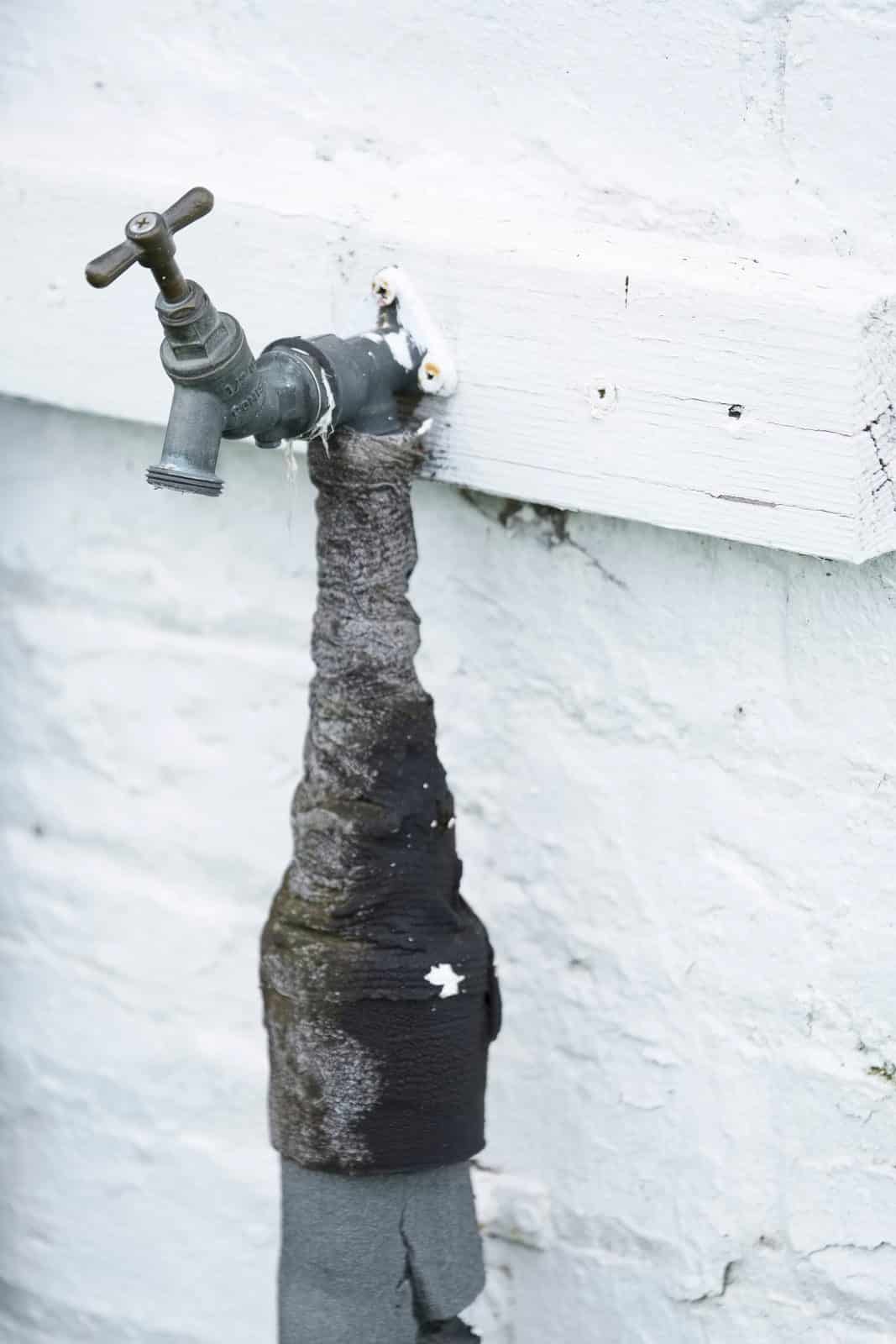
Pull the hoses off every time, because a hose that’s still hooked up traps water right at the wall. And if your hose bib has a shutoff inside, the Red Cross says to close that inside valve and leave the outside tap open so whatever’s left can drain. Insulated covers help too, and they’re cheap enough to put on every spigot you’ve got.
The Backflow Device Freezes First
That brass thing sticking up out of the ground, often a pressure vacuum breaker for the irrigation, is out in the open on purpose, and that’s also why it freezes. Wrapping it is standard advice around here (we cover it in insulating a pressure vacuum breaker). Owners forget it because it doesn’t really look like plumbing. The Pure Plan maintenance visit includes a pressure vacuum breaker inspection for winterization protection, plus hose bib checks and testing and labeling of the emergency shutoffs. The meter assembly at the street belongs to the water district, so leave it alone.
Irrigation Lines Need a Proper Drain
Sprinkler supply lines hold water all year, and the Red Cross is specific about them. Basically you drain them however the manufacturer’s or installer’s directions say to, and you skip the antifreeze unless those directions call for it. And if the paperwork went with the last owner, don’t guess, just ask the irrigation installer or a plumber.
Water Heater and Indoor Plumbing
The Water Heater Has a Vacation Setting for a Reason
If you’re keeping the heat on, put the water heater on its vacation or low setting, and go by the manufacturer’s manual without doing anything extra. Don’t drain it either, since that’s part of a full winterization a plumber does, not a Saturday project.
Know the Main Shutoff Before You Need It
Every plan here depends on shutting the water off fast. Where the main shutoff ends up depends on how old the house is, so look in the garage, out in the yard and at the meter. A lever-style one is closed when the handle is sitting crossways, perpendicular to the pipe. If yours has a wheel, though, call a licensed plumber before you try to shut it off. Older valves seize up with mineral buildup, and then you’ve got a whole other emergency on your hands. Either way, label it for yourself and whoever checks on the house.
Open the Cabinets on Exterior Walls
If you’re leaving the heat on, the Red Cross suggests opening the cabinet doors under sinks on outside walls so warmer room air can get to the pipes. It doesn’t cost anything, and sure, it looks a little odd, but it works.
Extra Steps for Short-Term Rental Owners
If you rent your home out short-term, guests give you one more thing to think about in winter.
Guest-Proof the Thermostat
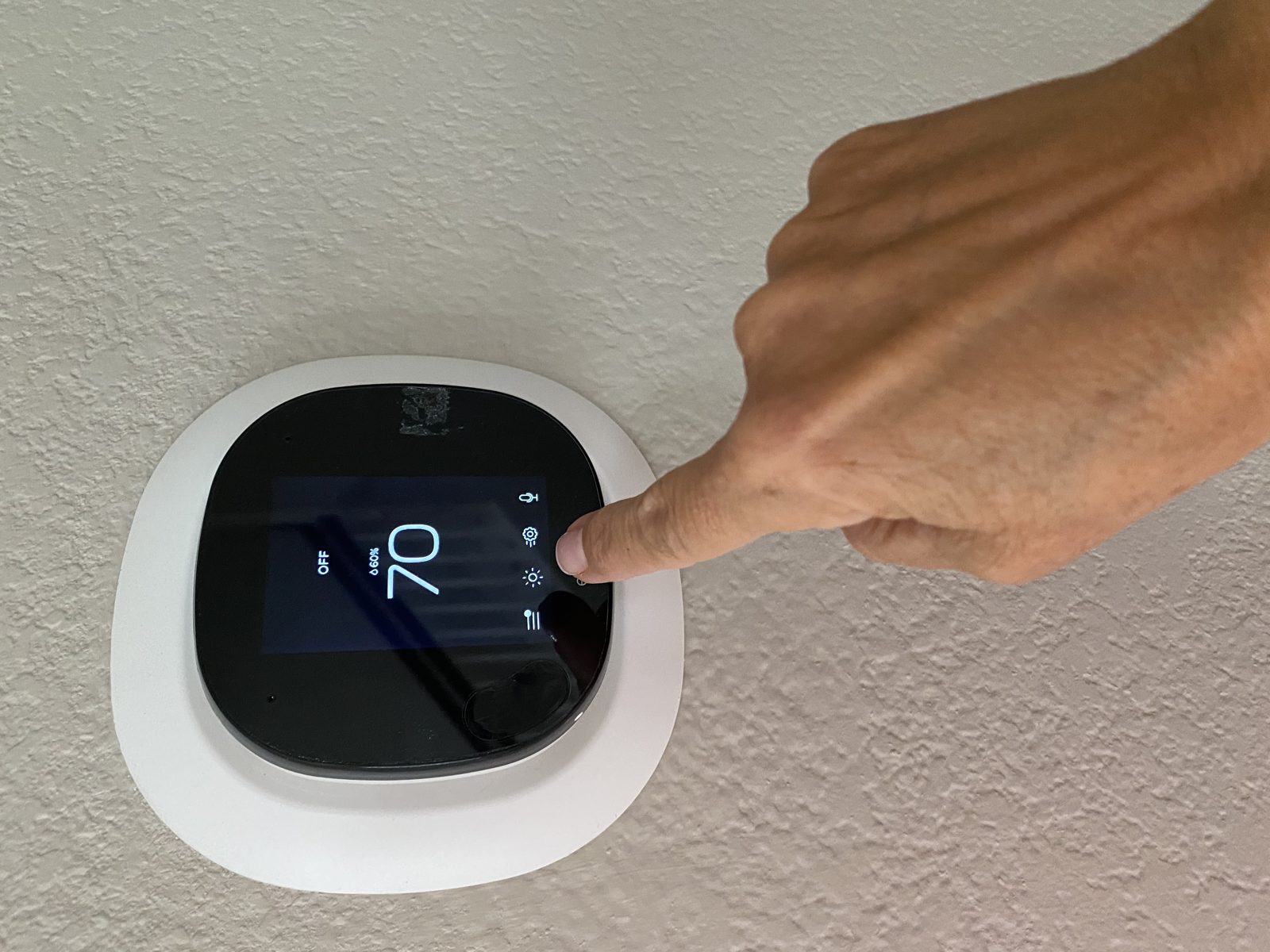
Guests mess with the thermostat all the time, so set a minimum it can’t go below, 55°F going by the Red Cross number. That way somebody who wants a cooler night can’t freeze your pipes by accident. A smart thermostat makes that lockout easy and lets you check the temperature from anywhere, which takes away a lot of worry.
Build Freeze Checks Into Turnovers
You’re already walking through at every turnover anyway, so just fold the winter checks into that. Look for drips under the sinks, check around the water heater, make sure the hose bib covers are still on and peek at the irrigation box after any freeze warning. It’s maybe five extra minutes while the laundry runs.
Leave the Right Notes for Guests
Put two things in the house guide, where the main shutoff is and which way it turns, and who to call if water shows up where it shouldn’t. A guest who can shut the water off at midnight is going to do more for you than any camera.
Returning to the Home After Winter
Opening the house back up has a few steps of its own. Turn the water back on slowly, then go room to room looking for leaks while the pipes repressurize. A house that’s been sitting tends to have a couple of quirks, like dried-out traps, stuck valves and sediment in the water heater. A maintenance visit after the vacancy catches whatever built up while the water was off. Anything past turning the water on slowly and looking around is a plumber’s job anyway.
Frequently Asked Questions
Who can winterize a home’s plumbing in Las Vegas?
A licensed plumber, and ask for the full winterization by name. That means they drain the lines, handle the outdoor fixtures and the backflow device, set or drain the water heater and give you a written checklist of what they did. Hang on to it, because it matters most in spring when the same steps get run in reverse.
Can you winterize a house without turning off the heat?
Yes, and for a shorter vacancy that’s usually the simpler way to go. You keep the heat at 55°F or higher, leave the water on, get the outdoor fixtures ready and have somebody check in. But if the heat’s going off, that’s when you need a full drain-down.
When should hose bibs be winterized in Las Vegas?
Before the first freeze warning, which here usually means late fall, but there’s no set date you can count on. Keep an eye on NWS Las Vegas, and pull the hoses off the day that first freeze warning goes out.
Next Steps for Las Vegas Homeowners
Pick your plan first, heat-on protection or a full drain-down, since everything else depends on that. Then find your main shutoff, figure out which way it turns and stick a label on it.
After that, deal with the outside stuff, so the hose bibs, the backflow device and the irrigation lines. Then get a freeze-warning alert set up, plus a check-in schedule that covers the whole time the house is empty. When you open it back up, book a maintenance visit so anything that built up while you were gone gets caught early.
An empty house can’t call you when something goes wrong, and the longer a leak runs, the more the repair costs.
Owners who get through a freeze without damage usually figured out in October what the house would do in January. So pick your plan, get the outside ready and make sure there’s a way to shut the water off.
