
Ductwork Repair in Enterprise, NV
- 24/7 Emergency Service
- Financing Available
- A+ BBB Rated
- Licensed & Insured
Signs Your Enterprise Home Has a Ductwork Problem
Duct trouble usually shows up as comfort and cost problems rather than a single broken part. Catching it ends the waste and evens out the house. Watch for these:
- Some rooms never cool while others are fine
- Weak airflow at the registers farthest from the system
- Cooling bills that stay high no matter the thermostat setting
- Excess dust settling soon after cleaning
- A whistling or rushing sound near vents or in the attic
- Rooms that warm up fast once the system cycles off
Enterprise attics reach extreme temperatures in summer, often well above 130 degrees, so any leak or bare duct in that space dumps cooled air into the heat and pulls hot attic air into the system. Homes across Mountain’s Edge, Southern Highlands, and Silverado Ranch with original or aging duct runs lose a noticeable share of their cooling this way.
How Ducts Lose Your Cool Air
Duct losses come from leaks, damage, insulation gaps, and poor design. A good repair finds which of these is costing you.
Leaky seams, joints, and failed tape
Duct joints separate and old cloth-backed tape dries out and falls off, leaving gaps that bleed air. Sealing these with mastic or proper metal tape recovers the lost air.
Crushed or disconnected flex duct
Flexible duct gets crushed by stored items, kinked at sharp turns, or pulled loose at a connection, which chokes or dumps the airflow. Repairing or rerunning that section restores delivery.
Attic heat and duct insulation
Ducts in a 130-degree attic need solid insulation, since bare or thin-jacketed runs gain heat before the air reaches the room. Adding or upgrading the duct insulation keeps the cooled air cold on its trip. In the desert this is one of the highest-value duct repairs.
Undersized runs and weak far-room airflow
A run that is too small or too long cannot deliver enough air to a distant room. Resizing or rebalancing that branch fixes the comfort gap.
Sealing returns and the building envelope
Leaky return ducts pull hot attic air and dust into the system, lowering efficiency and dirtying the coil. Sealing the returns keeps the system breathing clean, conditioned air.
Repair versus partial replacement
Sometimes sealing and insulating is enough; sometimes a collapsed or badly deteriorated section is better replaced. The technician judges which is the sound long-term choice.

Related Repairs Worth Looking At
Duct trouble connects to a few related services, since clean, sealed, well-insulated ducts work together.
-
Duct Cleaning
Sealing ducts is a good time to clear the dust and debris built up inside them. Clean ducts move air better and keep the coil cleaner.
See Details
-
Duct Insulation
Bare attic ducts gain heat fast in the desert, so insulation is a frequent companion to a sealing repair. It keeps the cooled air cold to the register.
See Details
-
AC Maintenance & Tune-Ups
A seasonal tune-up checks airflow and helps spot duct losses before they drive up bills. Membership maintenance keeps the whole system efficient.
See Details
-
Whole-System AC Repair
For comfort issues traced back to the AC unit rather than the ducts, the broader AC repair service covers it.
See Details

The Calls We Get Most Often in Peak Summer
Most duct calls in Enterprise share a few patterns.
- One or two rooms stay hot while the rest of the house is comfortable
- The far bedrooms get almost no air from the registers
- Cooling bills are high, though the system seems to run fine
Leaving duct losses unaddressed is a steady drain on comfort and money. Cooled air keeps escaping into a superheated attic, the system runs longer to make up for it, and the hot rooms never catch up. Sealing and insulating the ducts recovers that lost capacity.
From Diagnostic to Cold Air, Step by Step
- The technician reviews the comfort complaints, then inspects the accessible duct runs in the attic and other spaces for leaks, damage, and bare insulation.
- Supply and return airflow are checked to find where delivery is weak and where air is being lost.
- Leaks are sealed with mastic or proper tape, separated joints are reconnected, and crushed or collapsed sections are repaired or rerun.
- Bare or thinly jacketed attic ducts are insulated, and returns are sealed to stop hot attic air and dust from entering the system.
- After the approved work, airflow at the affected registers is rechecked so the technician can confirm the rooms now receive their share before leaving.
Service Areas Across Enterprise and the Southwest Valley
Pure Plumbing & Air dispatches from its East Sunset Road shop to diagnose leaky ducts, airflow loss, or damaged ductwork at your home. Same-day ductwork repair reaches homeowners across:
- Enterprise
- Mountain’s Edge
- Southern Highlands
- Silverado Ranch
- Rhodes Ranch
- Spring Valley
- Las Vegas Valley
If your neighborhood is not listed here, call and a dispatcher can confirm availability for your address.

What Sets Pure Plumbing & Air Apart on Duct Work
Not every company crawls the attic to seal a return or insulate a bare run, and skipped duct work leaves a home paying to cool the attic. Pure Plumbing & Air has worked on valley systems since 2013 and holds Nevada license #77906 and #88741, so duct work meets state standards. Technicians seal with mastic rather than tape that fails in attic heat, insulate the runs that need it, and recheck airflow so the fix shows up at the register. The company runs 24/7 emergency service for the broader system, and Pure Plan membership adds the seasonal airflow checks that flag duct losses early.
- Licensed in Nevada, #77906 and #88741
- Serving the valley since 2013
- Mastic sealing rather than tape that fails in attic heat
- Attic duct insulation upgraded where needed
- Returns sealed as part of every complete repair
- Airflow rechecked at registers after repair
- Pure Plan membership for seasonal airflow checks and priority service
Ductwork Repair FAQs for Enterprise, NV
Stop Cooling the Attic
Hot rooms and high bills often mean your ducts are losing cooled air into the attic heat. Pure Plumbing & Air seals the leaks, repairs the damaged runs, insulates where it counts, and rechecks airflow so the rooms finally get their share.
HVAC Services We Offer Includes:
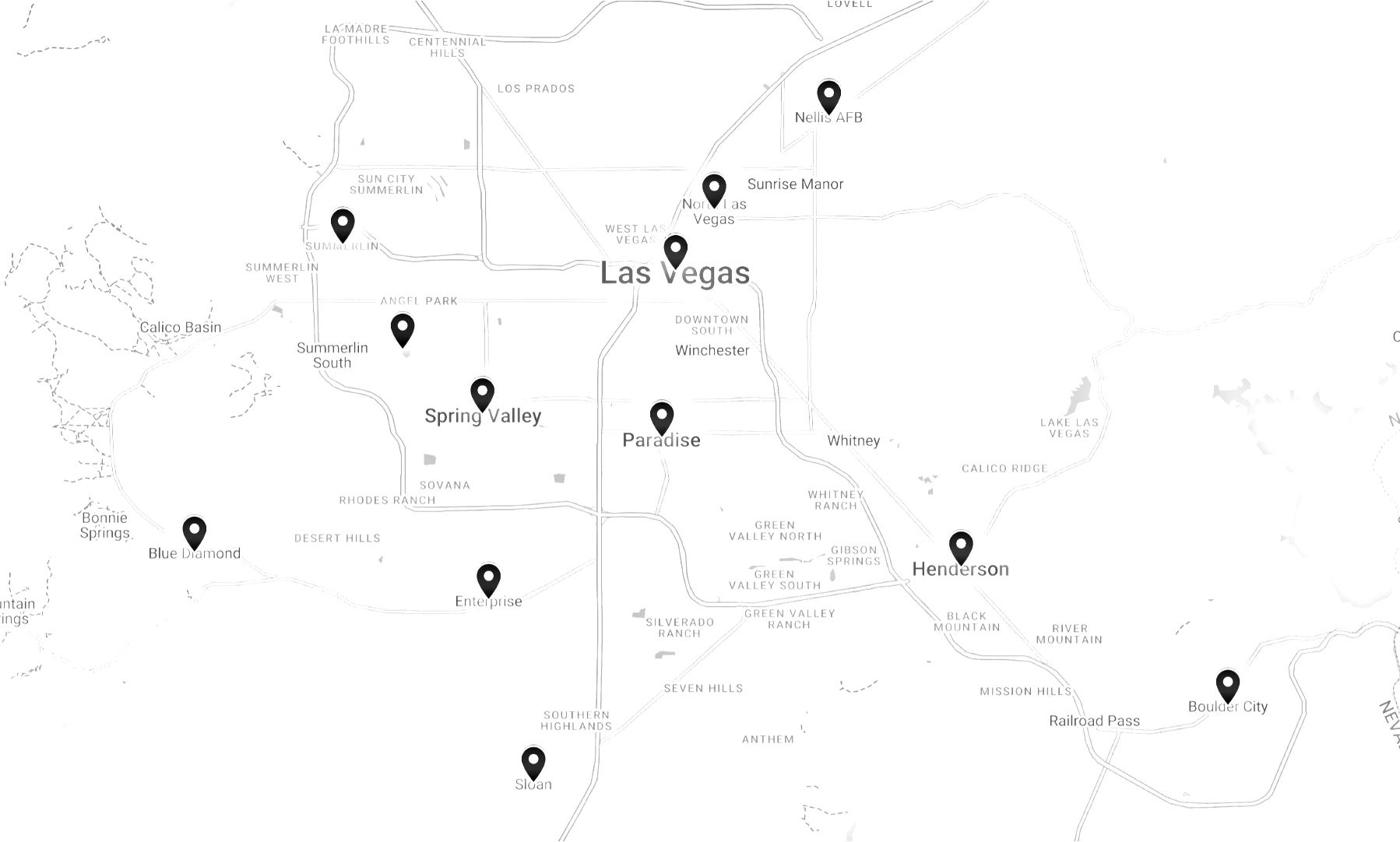
We serve the whole Las Vegas valley All 17 areas
Ductwork Repair in Enterprise. Same trucks and same technicians across all 17 areas below. Eight to nine months of run time a year is hard on equipment anywhere in this valley.
West valley
North valley
East & south