

Your AC always seems to act up during the hottest week of the year. Your energy bill spikes. Your house won’t cool evenly.
Sound familiar?
HVAC maintenance Las Vegas homeowners need isn’t the same as “normal” maintenance in other cities. Extreme heat, desert dust, and hard water mean your system works harder and wears faster.
In this 2026 guide, we’ll walk you through:
- A simple seasonal maintenance plan that fits Las Vegas conditions
- What an HVAC tune-up in Las Vegas should include (and what it shouldn’t)
- A practical HVAC maintenance checklist you can follow at home
- What HVAC maintenance cost in Las Vegas usually looks like, and what affects pricing
- The warning signs that mean “call today,” not “wait and see”
Here’s why HVAC systems in Las Vegas need a different approach.
Why HVAC Maintenance Matters More in Las Vegas
You’re not doing anything “wrong.” Las Vegas is simply one of the toughest climates for HVAC equipment. Your system runs longer, breathes in more dust, and deals with more heat stress than most systems in the country.
Here are the three biggest reasons HVAC maintenance in Las Vegas matters so much.
1. Extreme Heat Pushes Everything to the Limit
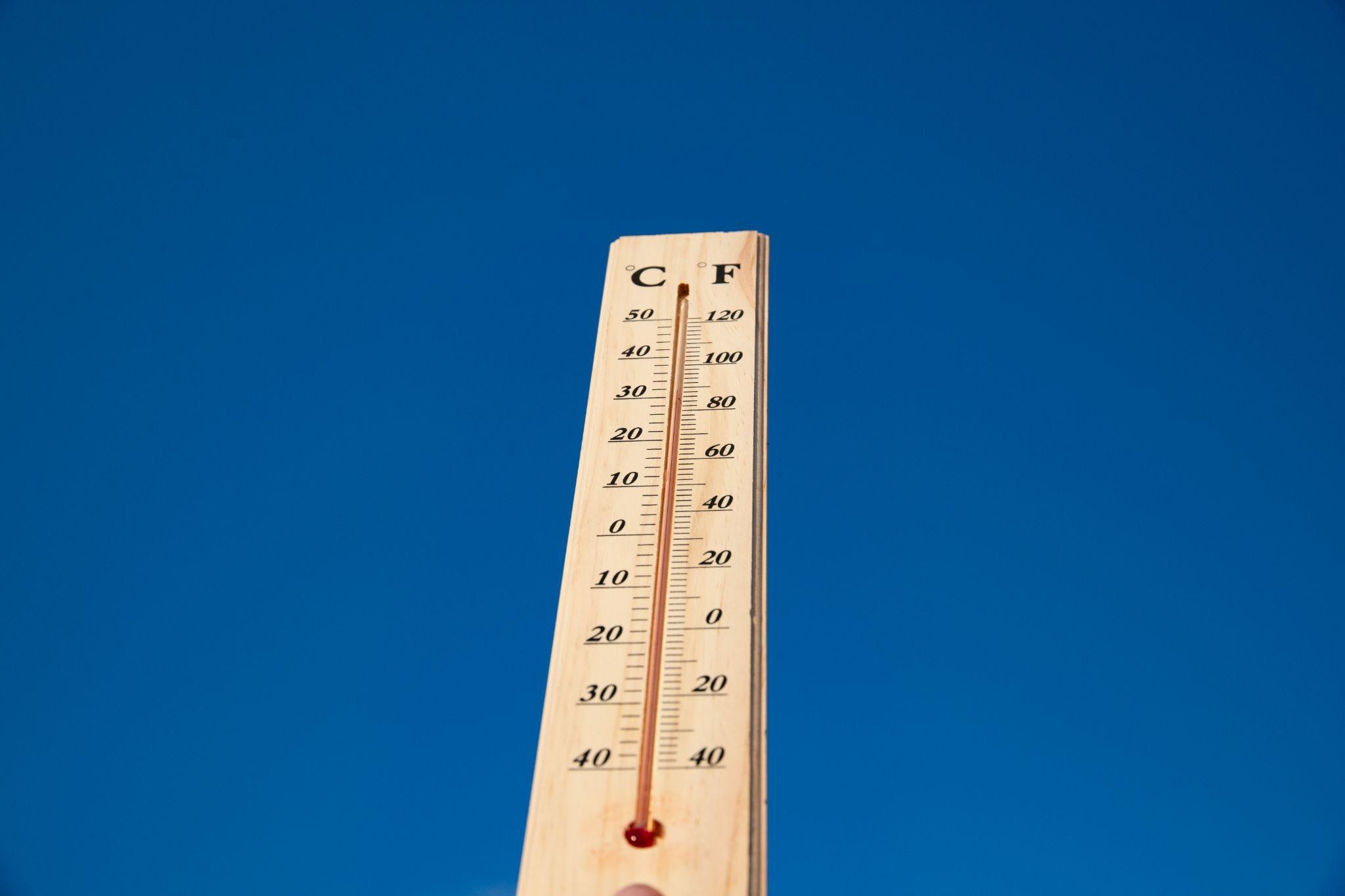
Las Vegas averages around 78 days a year with highs reaching 100 °F or more. In extreme-heat years, the city has logged 30 to 40 days with highs of 110 °F or above, such as 2024, when 36 days hit that level.
Compare that to San Francisco, where AC might run a few hours on the hottest afternoons. Or even Phoenix, which sees similar temps but slightly lower humidity, meaning their AC units don’t work as hard pulling moisture from the air.
What continuous operation does to your AC:
- Compressors run at full capacity for long stretches
- Capacitors cycle far more often
- Fan motors run hot for longer
- Refrigerant pressure stays elevated
- Electrical components wear faster
Residential electricity bills in Las Vegas often jump 30–50% during the summer months, mostly because your air conditioner is working nonstop.
Attics in Las Vegas can hit 150–160°F in July and August. If your air handler or ductwork is in the attic, that heat can work against your system all day, especially if ducts are leaking or insulation is thin. That’s why spring maintenance and airflow checks matter so much here.
2. Hard Water Can Reduce HVAC Efficiency Over Time (Yes, Really)
The Las Vegas Valley Water District reports total water hardness around 280–290 ppm (roughly 16–17 grains per gallon). That’s considered very hard water.
For HVAC, the biggest place hard water shows up is the condensate drain system. Your AC pulls moisture from the air and sends it out through a drain line. Over time, mineral residue mixed with desert dust can slow drainage, which raises the risk of clogs, overflow, and ceiling stains near the air handler.
During maintenance, we check the drain line, pan, and safety shutoff so a small backup doesn’t turn into water damage, especially in peak summer.
3. Desert Dust Clogs Filters and Coils
The Mojave Desert surrounds us. Construction happens constantly. Landscaping means exposed dirt. Wind kicks up regularly. All of that equals relentless dust infiltration.
Between desert wind, construction, and dry conditions, dust builds up faster here than in most cities.
Your AC filter Catches Dust Before It Enters Your System
The standard recommendation nationwide is changing filters every 90 days. In Vegas, plan on every 30-45 days during heavy-use months.
Homes near construction need changes every 3-4 weeks. Desert-edge properties sometimes need them even more often.
When filters get clogged, airflow drops. Your system has to work harder to pull air through the restriction. Blower motors strain. Static pressure increases in your ductwork. Eventually, other problems cascade like frozen coils, compressor stress, and uneven cooling.
Your Outdoor Condenser Unit Catches Dust On The Fins
Those thin aluminum fins are designed to dissipate heat as air passes through them. When dust coats the fins, heat transfer efficiency drops 10-15%. That translates directly to higher energy bills and more wear on the compressor.
HVAC Maintenance Checklist (Las Vegas Homeowners)
Before we get into the seasonal schedule, here’s a quick HVAC maintenance checklist you can use anytime your system feels “off.” In Las Vegas, small issues (dust, airflow, drainage) can turn into big breakdowns fast, especially during peak heat.
Quick DIY Checks (5–10 minutes)
- Check your air filter: if it looks dusty or you can’t see light through it, replace it
- Walk the vents: make sure supply vents aren’t blocked by furniture or rugs
- Look at the outdoor unit: clear weeds, trash, and anything within 2 feet
- Rinse the condenser gently: power off first; light hose rinse only
- Listen for new sounds: sounds like buzzing, grinding, or repeated clicking means something changed
- Check your drain line outlet: if your AC is running, you should usually see drainage outside
“Don’t Wait” Warning Signs
If you notice any of these, it’s time to call a licensed pro:
- Warm air, weak airflow, or uneven cooling that doesn’t improve after a filter change
- Burning smell, loud buzzing, or frequent shut-offs
- Water spots near the air handler or a drain that isn’t draining
- Ice on the coil or refrigerant line
If you want the easiest way to stay on top of this, schedule maintenance before the first heat wave hits. That’s when we can catch the small stuff early before your system gets pushed to the limit.

HVAC Tune-Up Las Vegas: What’s Included in 2026
If you’re booking an HVAC tune-up in Las Vegas, you deserve to know what you’re actually paying for. A real tune-up isn’t just a quick look but a set of checks that help prevent breakdowns when your system is working overtime.
What’s Typically Included In An HVAC Tune-Up
A proper tune-up should cover the things that protect performance, safety, and reliability:
- Thermostat and system controls check so your system responds correctly
- Electrical inspection (connections tightened and key components tested)
- Airflow and overall system performance check (catch restrictions early)
- Coil condition check (dust buildup can raise bills and reduce cooling)
- Refrigerant readings to spot signs of trouble like low readings usually mean a leak
- Condensate drain and pan check to prevent clogs, overflow, and water damage
What May Cost Extra (And Shouldn’t Be “Included” Automatically)
These items often require additional labor, materials, or specialized work:
- Deep coil cleaning (if buildup is heavy)
- Refrigerant leak detection and repair
- Parts replacement (capacitors, contactors, motors, etc.)
- Duct repairs or duct cleaning
- Indoor air quality upgrades (filtration, UV, and related add-ons)
If a company can’t clearly explain what’s included vs. extra, that’s usually a sign to keep shopping.
HVAC Maintenance Cost Las Vegas (What to Expect in 2026)
Let’s make pricing simple because the only thing worse than an AC problem in Vegas is not knowing what it’s going to cost. HVAC maintenance in Las Vegas is usually pretty predictable once you understand the difference between a tune-up, a full maintenance visit, and repairs.
Typical HVAC Maintenance Pricing in Las Vegas
Most homeowners will see pricing fall into these ranges:
- AC maintenance / basic tune-up (per unit): usually $89–$150
- More detailed HVAC maintenance visit: often $150–$350 especially if cleaning and testing are more involved
- Maintenance plan (annual): commonly $150–$500 per year, depending on what’s included (tune-ups, discounts, priority scheduling, etc.)
- Diagnostic/service call fees (when something is already wrong): often $75–$200, and it may be applied toward repair if you move forward
- After-hours or emergency fees: can add $100–$300+, depending on timing and demand
Quick note: If you have two systems, expect pricing to be per system, not per home.
What Changes HVAC Maintenance Cost in Las Vegas
Here’s what most commonly pushes the price up or down:
- System type: split systems, heat pumps, and high-efficiency systems take more time to check
- System count: one unit vs. two units
- Access: attic installs usually take longer than garage or closet installs
- Dust and coil condition: heavy buildup means more cleaning time (common in Vegas)
- Drain line condition: a quick clear is different than a stubborn clog or overflow risk
- Age and condition: older systems often need extra testing and closer inspection
- Season: spring and early summer are the busiest, scheduling early helps you avoid rush pricing and long waits
How to Keep Costs Predictable in 2026
If you want fewer surprises, these three habits make the biggest difference:
- Book spring HVAC maintenance early (March/April is ideal in Las Vegas)
- Use the HVAC maintenance checklist above weekly during peak heat (5 minutes goes a long way)
- Don’t wait for “no cool.” Maintenance is almost always cheaper than emergency repairs
Next, we’ll walk through a simple seasonal maintenance plan you can follow in Las Vegas without overcomplicating it.
Seasonal Maintenance That Actually Works
Las Vegas HVAC systems don’t get a break. Your AC runs hard for months, and even the “off season” comes with dust, airflow issues, and drain line problems that can show up at the worst time.
You don’t need a 50-point list. You just need the right steps, at the right time, built for desert conditions.
Spring Prep: Get Ready Before the Heat Hits (March–May)
Spring is your best shot at preventing summer breakdowns. The goal is simple: handle small issues before your system has to run nonstop.
Schedule your HVAC tune-up in Las Vegas early (March or early April). Once May hits, wait times can stretch fast, and a minor problem can turn into an emergency during the first heat wave.
For DIY upkeep, use the HVAC maintenance checklist above as your quick spring routine. It covers filters, outdoor unit clearance, and drain line checks without turning into a weekend project.
Summer Vigilance: Watch While Your System Works Overtime (June–September)
Summer isn’t the time for heavy maintenance but the time to stay alert. Your system is working too hard to ignore early warning signs.
Tip: During peak heat, use the HVAC maintenance checklist above once a week. It takes 5 minutes and helps you catch issues early.
The biggest summer win is staying on top of your air filter. In dusty areas, filters can clog faster than expected, and restricted airflow can lead to weak cooling, frozen coils, and extra strain on the compressor.
If your home stops cooling, the system keeps shutting off, or you smell something burning, don’t wait. You’ll need expert diagnosis and repair to get the right fix fast and avoid repeat problems.
Fall Transition: Switch Modes and Plan Ahead (October–November)
Fall is the “quiet season,” which makes it the smart season to plan ahead. You’re switching from cooling to heating, and you can address anything you noticed during summer, while schedules are usually more flexible.
If you have a furnace, a fall inspection is worth it especially for safe operation and reliable heating when nights start to drop.
Use the checklist above to reset your basics for the new season:
- Fresh filter
- Clear vents and registers
- Thermostat settings checked
- Quick system test run before the first cold night
Winter Check-In: Keep It Simple (December–February)
Winter maintenance is light, but it still matters. Dust and airflow issues don’t disappear just because the AC is off.
Do a quick monthly check:
- Replace or inspect filters
- Make sure vents aren’t blocked
- Watch for uneven heating, short cycling, or unusual smells
If your heat runs but the house never feels warm, or the system shuts off repeatedly, that’s a good time to schedule service before it becomes a bigger repair.

DIY vs. Professional HVAC Service: Know Your Limits
Being handy can save you money. But knowing when to call a pro can save you a whole lot more, especially with HVAC maintenance in Las Vegas, where systems run hard for months at a time.
For safe DIY upkeep, use the HVAC maintenance checklist above. It covers the highest-impact tasks without overcomplicating things. Below are the situations where you should always call a licensed pro.
Typical time: 10–30 minutes
Typical savings: Avoid a “simple maintenance” service call
Risk: Low, if something doesn’t look right, we can step in quickly
Now let’s talk about what should always be left to licensed professionals.
Always Call a Licensed HVAC Pro for These
Some HVAC problems look simple until you’re standing in a hot house with a bigger repair than you started with. In Las Vegas, your system runs hard for months, so it’s worth playing it safe anytime the issue involves refrigerant, high voltage, or major parts.
- Refrigerant issues or “low refrigerant” symptoms (a leak must be found and fixed)
- Electrical problems beyond basic resets (high voltage + stored capacitor charge)
- Replacing major components (motors, capacitors, contactors, coils, compressors)
- Burning smells, loud buzzing, or repeated shut-offs (don’t keep running the system)
What DIY Gone Wrong Can Cost
We’re all for smart DIY. But these are the repairs we see when a well-meaning fix turns into an emergency call, usually in the middle of a heat wave. If you’re not 100% sure, it’s cheaper to pause and get a licensed tech involved.
- DIY refrigerant recharge: Can damage the compressor and turn a smaller repair into a major one
- Pressure washing the condenser: Can bend fins and reduce efficiency
- Ignoring a slow drain line: Can lead to water damage and emergency service during peak heat
Handle the simple upkeep. For anything involving refrigerant, high voltage, or major parts, it’s smarter (and safer) to call a pro.
How to Choose the Right Service Company
When you call for help, choose carefully. The company matters as much as the repair itself.
Look for these qualities:
- Licensed and insured (verify with the Nevada State Contractors Board)
- Established local company (5+ years serving the area)
- 24/7 emergency availability with real technicians
- Transparent pricing with written estimates
- Well-stocked trucks (fixes most problems first visit)
- Strong verified reviews (Google, Yelp, BBB)
- Guarantees on workmanship
- Clear explanations in terms you understand
Avoid these warning signs:
- Pressure to replace when repair is possible
- “Today only” discounts and high-pressure tactics
- Prices are 40-50% below competitors ‘
- Can’t provide license and insurance proof
- Requires full payment up front
- Won’t provide written estimates
- Uses confusing jargon without simplifying
Pure Plumbing & Air has built our reputation since 2013 on one principle: do the right thing, even when it’s not the profitable thing. Our technicians explain what’s wrong, show you the problem when possible, and present options. We’re family-owned and locally focused. We live in the same Vegas neighborhoods you do.
Regardless of which company you choose, make sure they understand Vegas-specific challenges. Experience in this climate makes a real difference.
Protect Your Home Year-Round
You now have a complete roadmap for keeping your Vegas home comfortable and your systems running efficiently. Here’s how to put it into action:
- Check your AC filter today: It’s the simplest maintenance task with the biggest impact on system performance and longevity.
- Schedule your seasonal tune-ups: Spring AC maintenance prepares you for summer. Fall heating inspections ensure reliable comfort when temperatures drop.
- Join Pure Plan Membership: Get priority scheduling, seasonal HVAC tune-ups, and discounts on repairs (plus plumbing perks, too).
- Bookmark this guide: Each season has different maintenance priorities. Come back to this throughout the year to stay on track.
Your home works hard in the desert. Give it the expert care it deserves.
Ready to schedule service or learn more about Pure Plan Membership? Contact us today!