
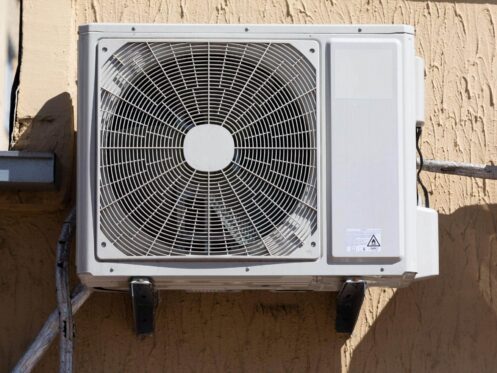
How long does an AC last in Las Vegas? For many homeowners, the question comes up when cooling weakens, repair costs increase, or the system starts showing its age. Lifespan matters because it affects repair decisions, maintenance planning, and replacement budgeting.
Most central AC systems in Las Vegas last around 10 to 15 years, depending on system type, installation quality, maintenance history, and how heavily the unit runs during cooling season. This guide breaks down lifespan ranges by system type, signs your AC may be nearing the end, and practical steps that can help reduce strain on your equipment.
Las Vegas Heat Can Shorten AC Lifespan
National AC lifespan estimates do not always reflect Las Vegas conditions. Heat, long cooling seasons, and desert dust can all put more stress on equipment than milder climates.
First, run time. Las Vegas cooling seasons are longer than in many milder regions, and many systems run heavily from spring through fall. More run time means more wear on motors, capacitors, contactors, and other components.
Second, outdoor heat. Las Vegas summer temperatures can place extra stress on outdoor components, including capacitors, contactors, motors, and control boards.
Third, dust. Desert dust can collect on filters and condenser coils, reducing airflow and heat transfer. When airflow is restricted, the system may work harder to deliver the same cooling.
Together, those conditions can make a Las Vegas AC show more wear than its age alone might suggest. That is why local lifespan expectations often run shorter than broad national estimates.
AC Lifespan by System Type
AC lifespan in Las Vegas depends partly on the type of system installed. These ranges are general planning estimates, not guarantees.
Central Air Conditioning (Split System): 10 to 15 Years
This is the most common residential setup, with an outdoor condenser, indoor air handler or furnace coil, and ductwork throughout the home. Well-maintained systems may reach the higher end of the range, while neglected systems may fail closer to year 10.
Heat Pumps: 10 to 14 Years
Heat pumps provide both cooling and heating, which can mean more annual run time than a dedicated cooling system. Maintenance history, installation quality, and equipment sizing all affect how long the system lasts.
Ductless Mini-Splits: 12 to 18 Years
Mini-splits may last longer than some central systems when properly sized, installed, and maintained. They are often used for additions, garages, and retrofits where ductwork is not practical.
Through-Wall PTAC Units (Condo/Apartment): 8 to 12 Years
Through-wall PTAC units often have shorter service lives than central systems, especially when exposed to heavy use, direct sun, or limited maintenance access.
Rooftop Package Units: 10 to 14 Years
Rooftop package units are exposed to direct sun and weather, which can add stress to components. Regular maintenance and safe roof access matter more for these systems.
AC Age Ranges for Las Vegas Homeowners
These age ranges can help you understand where your system may be in its service life:
- Under 7 years: Usually still early in its service life. With regular maintenance, major failures may be less common, and some parts may still be under warranty.
- 7 to 10 years: Often midlife for a Las Vegas system. Capacitors, contactors, and other wear parts may start needing attention.
- 10 to 12 years: Start planning for possible replacement in the next few years. Repairs may still be practical unless a major component fails.
- 12 to 15 years: Replacement may deserve stronger consideration for major repairs. Refrigerant type matters, especially if the system relies on phased-out R-22.
- Over 15 years: Plan ahead for replacement, even if the system is still running. At this age, a major repair may not be the best long-term investment.
This is a general guide, not a hard rule. A maintained 13-year-old system can outlast a neglected 9-year-old system. Age tells part of the story, but maintenance history and current performance matter just as much.
Signs Your AC May Be Nearing the End
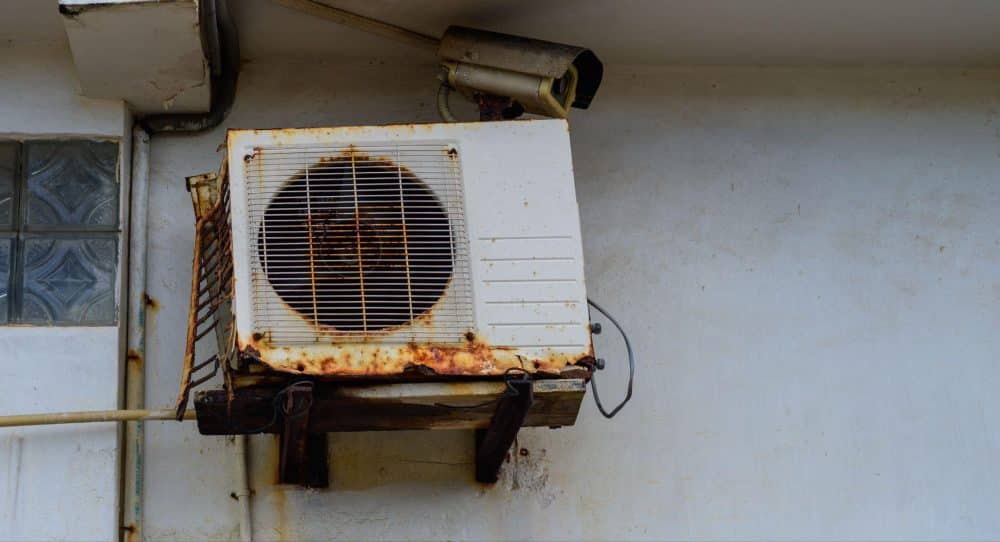
Some issues may point to a routine repair, while others may suggest the system is nearing the end of its useful life. These warning signs matter most when several appear together.
- Repairs are stacking up, with two or more major repairs in the last two years.
- Energy bills have been climbing year over year without a major change in usage.
- The system struggles to keep up on the hottest days, running constantly without holding the set temperature.
- Refrigerant leaks keep coming back, suggesting the coil or line set is degrading.
- New noises are getting worse over time, especially deep humming or grinding from the compressor.
- The system uses R-22 refrigerant, which is no longer newly produced or imported in the U.S. and may cost more to service.
One warning sign alone does not always mean replacement is necessary. Two or three together, especially on a system past 10 years old, may be a reason to discuss replacement options.
Ways to Help Extend AC Lifespan in Las Vegas
Some factors are outside your control, including heat and long cooling seasons. Still, practical maintenance habits can help reduce strain and support longer system life.
The U.S. Department of Energy recommends regular maintenance of air conditioner filters, coils, fins, and refrigerant lines to support efficient and effective performance. In Las Vegas, those basics are especially important because systems often run for long stretches.
- Change the filter every 30 to 60 days during cooling season, or sooner if you have pets, allergies, or heavy dust exposure.
- Schedule annual professional maintenance, ideally in early spring before peak heat.
- Keep the outdoor condenser clear of bushes, stored items, and barriers that can restrict airflow.
- Ask your technician whether light outdoor coil rinsing is appropriate for your system, and follow the manufacturer’s guidance for safe cleaning.
- Consider surge protection if your home has experienced electrical surge damage during summer storms. A licensed electrician or HVAC technician can advise on the best option.
- Set a realistic thermostat target. Very low thermostat settings during extreme heat can make the system run longer and add strain.
- Address small repairs early. A weak capacitor can place added stress on the system, and professional AC repair may help prevent more expensive issues.
Get a Clearer Read on Your AC’s Condition
How long your AC may last depends on its age, condition, maintenance history, and current performance. A licensed HVAC technician can inspect the system, review key readings, and explain where it stands.
Refrigerant pressures, capacitor health, motor draw, and temperature split readings can help show whether your AC may have useful life left or whether replacement planning should begin.
Pure Plumbing & Air has served Las Vegas homeowners since 2013 and holds a BBB A+ rating and Nevada contractor licenses #77906 and #88741. Schedule an AC checkup online today.
Frequently Asked Questions
Is a 10-year-old AC unit considered old?
In Las Vegas, a 10-year-old AC is often in the latter half of its expected service life. A well-maintained system may still have useful life left, while a neglected system may be closer to replacement.
Why do AC units fail faster in Las Vegas than in other cities?
Long cooling seasons, extreme outdoor heat, and desert dust can all make Las Vegas AC systems work harder than systems in milder climates. That extra strain can shorten service life, especially without regular maintenance.
How can I tell how old my AC unit is?
Check the data plate on the outdoor condenser. The serial number may include the manufacture date, depending on the brand. Many manufacturers also have online lookup tools that decode the serial number. If the unit is original to the home, your home-purchase documents or property records may list the install date, too.
Does regular maintenance really extend AC lifespan?
Regular maintenance can help support longer system life by reducing strain on filters, coils, motors, and electrical components. Maintenance visits may also catch smaller issues before they become larger repairs, which is especially helpful in Las Vegas homes with long cooling seasons.
What is one common AC repair issue in Las Vegas?
Capacitor failure is a common AC repair issue in hot climates because capacitors are exposed to heat, long run times, and electrical stress. A technician can check capacitor health during maintenance and recommend replacement if it is weakening.