
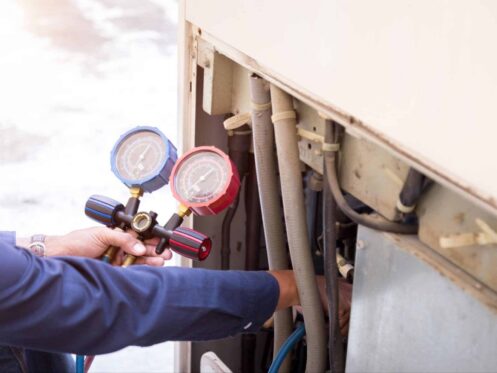
Most modern AC refrigerants have little to no noticeable odor, so smell is not always the first sign of a leak. Homeowners usually notice other symptoms first, such as weaker cooling, ice on the refrigerant line, longer run times, or higher energy bills.
A faint sweet or chemical smell near the indoor air handler or outdoor unit may point to a refrigerant issue, but odor alone is not enough to confirm a leak. This guide explains possible refrigerant smells, other warning signs to watch for, basic safety steps, and when to call a licensed technician.
Possible Refrigerant Smells by System Type
The smell can vary depending on the refrigerant type, but many leaks are too subtle to identify by odor. To check which refrigerant your system uses, look at the data plate on the outdoor condenser, usually near the model and serial number.
R-410A (Most Newer Paradise Systems)
Systems installed after about 2010 commonly use R-410A. This refrigerant is generally difficult to detect by smell, and many leaks are noticed through cooling performance problems before any odor is present.
When people do notice an odor, they may describe it as faintly sweet or slightly chemical. Because the smell can be subtle, do not rely on odor alone to decide whether the system has a leak.
R-22 (Older Paradise Systems and Condos)
Older systems may still use R-22. This refrigerant is no longer newly produced or imported in the U.S., although existing systems can still be serviced with recovered, recycled, reclaimed, or previously produced supply. Service may cost more because available supply is limited.
If an older R-22 system has a leak, the repair decision may depend on the system’s age, refrigerant availability, leak location, and whether replacement is more practical than repair.
R-454B (Newest Systems)
Some newer systems use R-454B or other newer refrigerants. These may also have little noticeable odor. Because some newer refrigerants have different safety classifications than older refrigerants, any suspected leak should be handled by a licensed HVAC technician with the right tools and training.
Other Signs That May Point to a Leak
Because odor may be faint or absent, performance changes are often more useful warning signs. Watch for these symptoms, especially when several appear together.
- Cooling has gotten weaker over weeks or months, with no change in your thermostat settings.
- The AC runs constantly but the house barely keeps up on hot afternoons.
- Energy bills have been climbing without a major change in usage because the system may be running longer to maintain comfort.
- Ice forms on the copper refrigerant line near the outdoor unit, or on the indoor coil. Low refrigerant pressure drops the coil temperature below freezing.
- Hissing or bubbling sounds from the refrigerant lines when the system is running.
- Water pooling near the indoor air handler. Ice on the coil melts and overwhelms the drain pan.
- Sweet or chemical smell near the indoor unit or outdoor unit.
Any one of these signs can have other causes. If several appear together, especially with visible ice or weaker cooling, schedule a diagnosis before the system continues running under strain.
Common Leak Points in Paradise AC Systems
Refrigerant moves through a closed loop that includes the indoor coil, outdoor coil, compressor, and copper line set. If refrigerant is low, a technician needs to locate the leak before the system is recharged.
Coil Welds
Older indoor evaporator coils can develop leaks over time due to age, vibration, corrosion, pressure changes, or wear at connection points. In some cases, the first signs are weaker cooling, ice on the coil, or water near the air handler after ice melts.
The Lines
The copper line set runs between the indoor and outdoor units. Leaks may develop from corrosion, vibration, damage at clamp points, weather exposure, or accidental impact from yard work.
Service Valves
Service valves and Schrader valves at the outdoor unit can also leak. These are the ports technicians use to connect gauges during service. A loose or worn valve may leak slowly and affect performance over time.
Outdoor Coil
Outdoor coils can also develop leaks, especially around bends, joints, or service connections. Sun exposure, dust, debris, corrosion, and physical damage can all contribute to coil wear.
Safety Concerns With Refrigerant Leaks
Many residential refrigerant leaks are small, but they should still be treated carefully. Refrigerant can create safety concerns in certain situations, especially in enclosed spaces, near open flame, or when handled without proper training.
- In confined spaces, a significant refrigerant leak may displace oxygen and contribute to dizziness, headaches, or nausea. Move to fresh air if symptoms occur.
- Refrigerants exposed to open flame or extreme heat may break down into hazardous compounds. Avoid smoking, open flames, or high-heat sources near a suspected leak.
- Some newer refrigerants have mild flammability classifications under certain conditions. A licensed technician can identify the refrigerant type and follow the correct safety procedures.
- Liquid refrigerant can cause frostbite-like burns on contact. Do not touch leaking lines or fittings with bare hands.
The U.S. Environmental Protection Agency regulates refrigerant handling under Section 608. Quick version: venting refrigerant to the atmosphere is a federal violation that comes with fines.
Licensed HVAC techs carry Section 608 certification, which is what makes them legal to handle, repair, and recharge these systems. So yes, you actually have to call somebody. Not because it is dangerous on the spot, but because it is illegal to do it any other way.
Steps to Take if You Suspect a Leak
If you notice a strong odor, visible ice, weaker cooling, or symptoms such as dizziness or nausea, take these steps.
- Turn the AC off at the thermostat. Running a low-refrigerant system can add strain to the compressor.
- Open windows if the odor is concentrated indoors and it is safe to do so.
- Move anyone showing dizziness or nausea out of the area and into fresh air.
- Avoid open flame, smoking, or high-heat sources near the suspected leak.
- Note what you smelled, where you noticed it, and when the symptoms started. This information can help the technician narrow down the leak source.
- Call a licensed HVAC company. Refrigerant work is regulated and requires proper certification, tools, and recovery procedures.
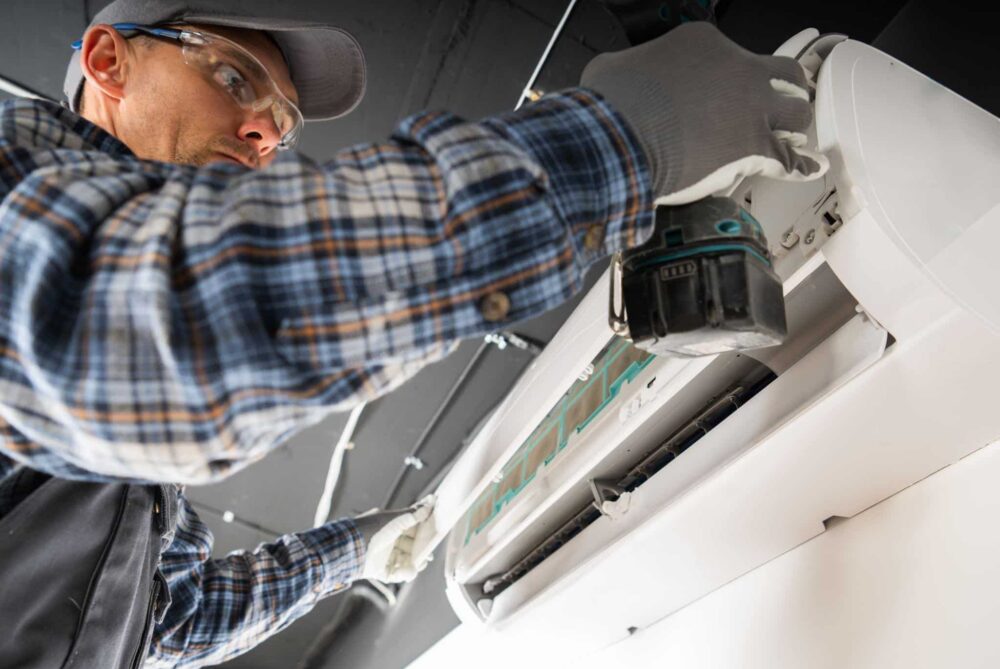
Refrigerant Leak Repair Cost in Paradise
Refrigerant leak repair cost depends on the leak location, refrigerant type, system access, and whether related components need repair. Smaller leaks and larger coil repairs can fall into very different price ranges.
Smaller repairs may fall in the $200 to $500 range, depending on the diagnosis, leak location, repair method, and refrigerant needed. This may include leak detection, a minor valve or line repair, evacuation, and recharging the system to manufacturer specifications.
Larger repairs, such as evaporator coil replacement, may range from $1,000 to $2,500 or more, depending on the system and access. If the system uses R-22, service may cost more because new production and import ended in the U.S., and available supply is limited.
If the leak has caused added compressor strain or other system damage, the repair cost can rise significantly. On older systems, a licensed technician may compare leak repair, compressor repair, and full-system replacement so you can decide which option is more practical.
Get a Clear Diagnosis Before the Leak Gets Worse
A refrigerant leak can become more expensive when the system keeps running low or related components are affected. Professional AC repair in Paradise can include system inspection and leak detection, then a clear explanation of whether repair or replacement planning should be considered.
Pure Plumbing & Air has served Paradise homeowners since 2013 and holds a BBB A+ rating and Nevada contractor licenses #77906 and #88741.
Frequently Asked Questions
What does an AC refrigerant leak smell like?
Many refrigerant leaks have little to no noticeable odor. Some homeowners describe a faint sweet or chemical smell near the indoor air handler or outdoor unit, but smell alone is not a reliable way to confirm a leak. Weaker cooling, ice on refrigerant lines, longer run times, and higher energy bills are often easier warning signs to notice.
Is an AC refrigerant leak dangerous?
A small residential leak may not cause immediate danger, but refrigerant should still be handled carefully. Larger leaks in confined spaces may displace oxygen, liquid refrigerant can cause frostbite-like burns, and some refrigerants require special safety procedures. Turn the AC off, ventilate the area if needed, move anyone with symptoms to fresh air, and call a licensed technician.
How long can I run my AC with a refrigerant leak?
It is best to turn the system off and schedule diagnosis as soon as you suspect a refrigerant leak. Running a low-refrigerant system can add strain to the compressor and may lead to more expensive repairs.
Why do AC refrigerant leaks happen in Paradise homes?
Leaks can happen because of age, corrosion, vibration, pressure changes, worn service valves, coil wear, or physical damage to refrigerant lines. Paradise heat, dust, and long cooling seasons can add stress to older equipment. Regular maintenance may help catch early signs before the leak causes larger system problems.
Can I top off refrigerant myself to save money?
No. Refrigerant service requires proper certification, recovery procedures, and equipment. Adding refrigerant without repairing the leak does not solve the problem, and using the wrong refrigerant type or charge amount can damage the system. A licensed technician should locate the leak, repair it when possible, and recharge the system to manufacturer specifications.