When your AC is running at night but the air from the vents feels warm, the problem can come from several places: airflow, refrigerant, electrical components, thermostat settings, or the outdoor unit.
In Paradise, late-evening heat can make the issue feel more urgent because homes may stay warm long after sunset. This guide explains common causes, safe checks you can make, and signs that it is time to call a licensed technician.
Why AC Not Cooling at Night in Paradise Homes Follows Specific Patterns
An AC blowing warm air at night often traces back to the same issues that cause daytime cooling problems. The difference is timing. Some weak components fail after a long day of heavy cooling demand, while other issues are only noticed once the home is occupied and uncomfortable.
Thermal stress is one factor. After a long day of high outdoor temperatures, weak electrical components may have more trouble keeping up. Capacitors, contactors, motors, and control boards can all be affected by heat and heavy run time.
Electrical demand can also play a role. Evening power fluctuations, breaker trips, or electrical surges may affect outdoor components. If the indoor blower keeps running but the outdoor unit stops, the air from the vents may feel warm.
In some cases, the failure may have started earlier in the day. Many homeowners only notice the problem at night when the house is occupied, bedrooms feel warm, and the system cannot recover.
The 6 Most Common Reasons an AC Blows Warm Air at Night
These are common causes of nighttime cooling problems in Paradise homes. A licensed technician can confirm the exact issue during diagnosis.
1. Frozen Evaporator Coil
Evaporator coils can freeze even during hot weather. This usually happens when airflow is restricted, the air filter is clogged, or refrigerant pressure is low. Once ice forms, the blower may still move air, but the system cannot cool properly.
Safe check: look for visible ice on the copper refrigerant line or indoor coil area if it is accessible without removing secured panels. Turn the system off and call a licensed technician. Do not keep running the AC while it is frozen because it can add strain and lead to more damage.
2. Failed Capacitor or Contactor
The compressor and outdoor fan rely on electrical components to start and run. If a capacitor or contactor fails, the indoor blower may keep moving air while the outdoor unit stops cooling.
Safe check: listen for humming from the outdoor unit and check whether the fan is spinning. A humming unit with no fan movement can point to a capacitor, motor, or electrical issue. Turn the system off and schedule diagnosis.
3. Low Refrigerant from a Leak
Refrigerant is part of a closed system, so low refrigerant usually means there is a leak or another system issue that needs diagnosis. Without the right refrigerant charge, cooling capacity drops and the system may struggle to keep up.
Safe check: look for ice on the copper refrigerant line or listen for unusual hissing near the equipment. Do not attempt refrigerant work yourself. Refrigerant handling requires proper certification and equipment.
4. Tripped Breaker on the Condenser
The outdoor condenser may be on a dedicated breaker. If that breaker trips, the outdoor unit can stop while the indoor blower continues running. That creates airflow without cooling.
Safe check: if you can safely access the panel, look for a tripped breaker labeled AC or condenser. Reset it once by switching it fully off, then back on. If it trips again, stop resetting it and call a licensed technician.
5. Thermostat Set Wrong or Failed
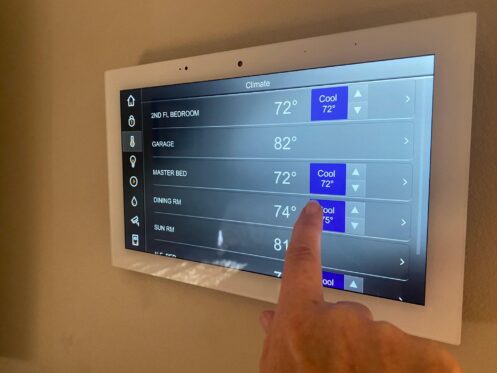
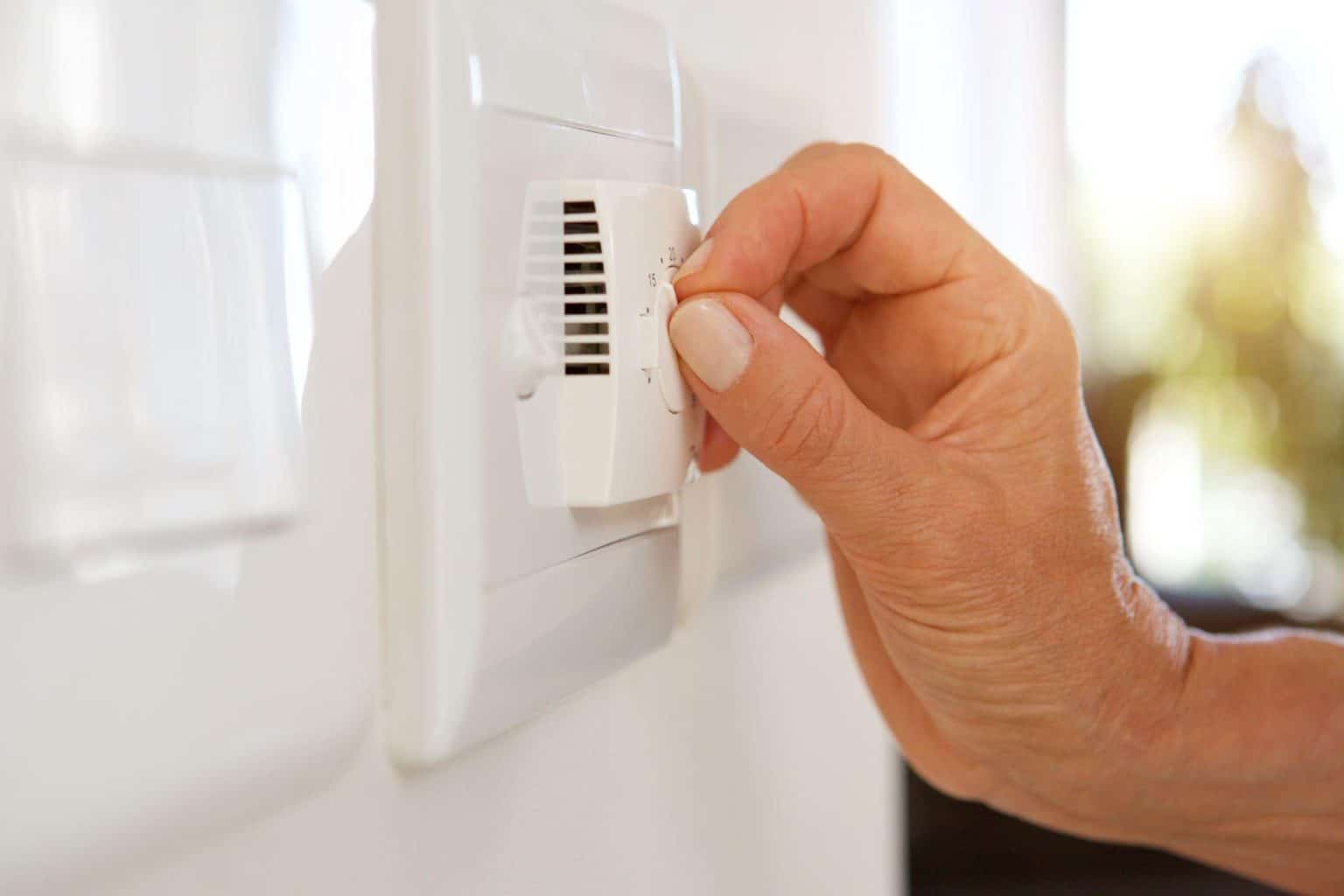
A thermostat set to fan-only can run the blower without calling for cooling. A failing thermostat or weak batteries can also prevent the system from responding correctly.
Safe check: make sure the thermostat is set to cool and the temperature is set below the current room temperature. If the display is blank, replace the batteries if your thermostat uses them.
6. Burnt Capacitor or Wiring
A burning or electrical smell near the indoor air handler or outdoor unit should be treated as urgent. Turn the system off at the thermostat and breaker, then call a licensed technician. Do not try to restart the system until it has been inspected.
When to Call Right Now vs Wait for Business Hours
Not every nighttime AC problem requires emergency service, but some situations should not wait. Use these signs to decide whether to call right away.
Call right away if:
- Burning smell, sparks, or smoke from either unit.
- Water pouring from the indoor air handler or visible flooding around the unit.
- Indoor temperature is climbing and infants, older adults, or anyone with cardiac or respiratory issues is at home.
- Pets are showing signs of heat distress and the home cannot stay cool enough.
- The breaker keeps tripping every time the AC tries to start.
Service may be able to wait until morning if:
- Cooling is weak but not gone, and the outdoor temperature is dropping into the 80s overnight.
- Indoor temperature is uncomfortable but stable, and there are no vulnerable household members.
- The system is iced over and you have already shut it off to thaw.
- Thermostat appears to have died, and you can find a workaround until morning.
Indoor heat can become dangerous, especially for infants, older adults, pets, and people with medical conditions. If the home keeps getting hotter or anyone shows signs of heat illness, leave for a cooler place and seek help. When you are unsure whether the AC problem can wait, call for guidance.
Steps to Stay Safer While You Wait
Whether service is scheduled for tonight or the next business day, these steps can help reduce heat stress in the meantime.
- Move to the coolest part of the house. Lowest floor, away from west-facing and south-facing windows.
- Close blinds and curtains to reduce heat gain from windows.
- Use ceiling fans or portable fans to increase air movement. Fans do not lower room temperature, but they can help people feel cooler.
- Drink water regularly and avoid alcohol.
- If anyone shows signs of heat distress and the indoor temperature is climbing, move to a location with working AC.
Get a Clear Diagnosis for Warm-Air AC Problems
Warm-air problems can come from several parts of the system, so a proper diagnosis matters. Professional AC repair in Paradise can check the thermostat, electrical components, refrigerant readings, airflow, and outdoor unit operation before recommending a fix.
Pure Plumbing & Air has served Paradise homeowners since 2013 and holds a BBB A+ rating and Nevada contractor licenses #77906 and #88741.
Frequently Asked Questions
Why is my AC blowing warm air only at night?
Nighttime warm-air problems often happen after a long day of heavy cooling demand. A weak component may fail later in the day, an electrical issue may affect the outdoor unit, or the problem may have started earlier and only become noticeable at night. A licensed technician can inspect the system and identify the cause.
Should I turn off my AC if it is blowing warm air?
In many cases, yes. Turn the system off if it is iced over, making new noises, giving off a burning smell, tripping the breaker, or running without cooling. Continuing to run a struggling system can add strain and may lead to more damage.
Can I fix an AC blowing warm air myself?
You can safely check the thermostat settings, replace a clogged air filter, and look for a tripped breaker or visible ice on the refrigerant line. Anything involving capacitors, refrigerant, wiring, or internal components should be handled by a licensed technician.
How much does emergency AC repair cost at night in Paradise?
Emergency AC repair costs vary by company, timing, service call fee, repair type, and parts required. Ask for the after-hours service fee and any dispatch charges before scheduling. A reputable company should explain pricing clearly before sending a technician.
How long can I wait if my AC is blowing warm air at night?
It depends on the outdoor temperature, indoor temperature, home insulation, and who is in the house. If infants, older adults, pets, or people with medical conditions are at home, or if indoor temperatures keep climbing, call for help and move to a cooler place if needed. When you are unsure, ask for guidance before waiting until morning.