

Why is my house so humid when the air conditioner has been running since sunrise? Las Vegas homeowners rarely ask that question in May. Come late July, with monsoon storms stacking up over the Spring Mountains most afternoons, it turns into a daily complaint. The sticky feeling is real, it has clear causes, and a few of them point at the cooling system itself. Here is where the moisture comes from and what separates normal monsoon mugginess from a system that needs attention.
Monsoon Season Turns a Dry City Muggy
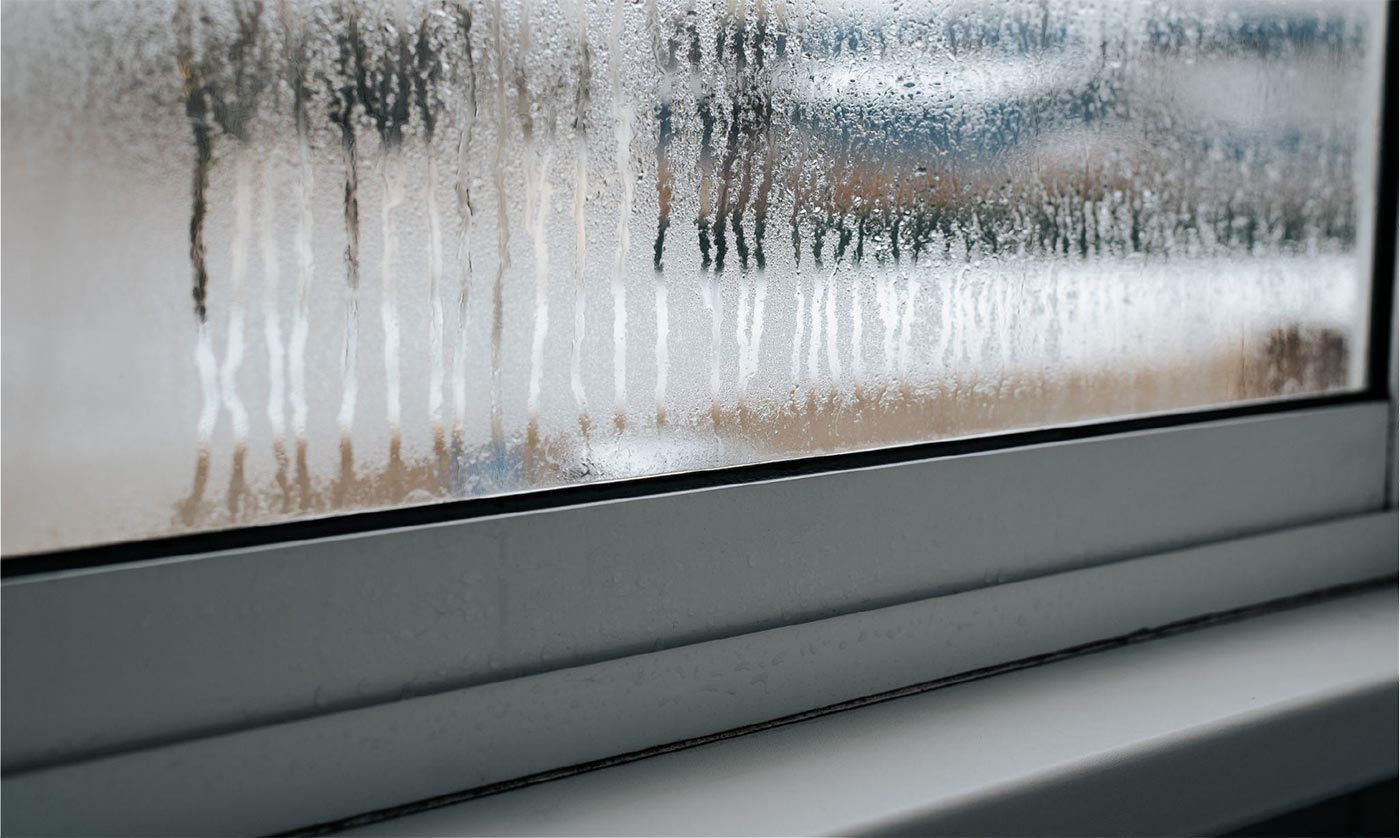
Most of the year, Las Vegas air is dry enough to crack lips and warp guitar necks. From roughly July through September, moisture streams up from the Gulf of California and changes the equation. Outdoor humidity that normally sits near 10 percent can triple after a storm rolls through, and the wet air does not stay outside. Every door opening, every bathroom vent, every gap in weatherstripping carries it indoors. Homes here are built and furnished for dry conditions, so high indoor humidity shows up in ways valley residents notice immediately: towels that never quite dry, a clammy feeling at a thermostat setting that felt crisp in June, and windows that fog at dawn.
Your Air Conditioner Doubles as a Dehumidifier
The question does ac remove humidity has a clean answer: yes, as a built-in side effect. The indoor coil runs cold, and warm household air passing over it drops its moisture as condensation, the same way a cold drink sweats in August. That water collects in a drain pan and exits through a condensate line. On a healthy system, hundreds of gallons leave a Las Vegas home this way every summer. Understanding what causes humidity in a house here makes the machine’s job clearer: monsoon air leaking in, evaporative coolers running alongside refrigerated air, pool and irrigation evaporation drifting in through open doors, plus everyday showers and cooking. The U.S. Environmental Protection Agency’s guide to mold and moisture in the home recommends keeping indoor humidity below 60 percent, ideally between 30 and 50 percent, and the air conditioner is the main tool most valley homes have for hitting that range.
A Running AC Can Still Leave the House Sticky
Cooling and dehumidifying are related jobs, not the same job. A system can hit the target temperature while leaving moisture behind, and three patterns explain most of it.
Short cycling and oversized systems
Moisture removal takes time. The coil needs 10 to 15 minutes of steady running before condensation really flows, so a system that blasts the house cold in eight minutes and shuts off never gets there. Oversized equipment is the usual culprit, a common finding in fast-built valley subdivisions where one generous tonnage figure got copied across an entire street. The result is a home that reads 74 degrees on the thermostat and still feels like a locker room.
A struggling system
The opposite failure produces the same sticky outcome. A coil coated in dust, a low refrigerant charge, or a weakening fan all cut the coil’s ability to wring water out of the air, which is why ac not removing humidity complaints often arrive weeks before a full cooling failure. Airflow and coil condition sit at the center of the problem, and targeted evaporator coil repair or blower motor repair restores both the cooling and the drying at the same time.
The fan setting mistake
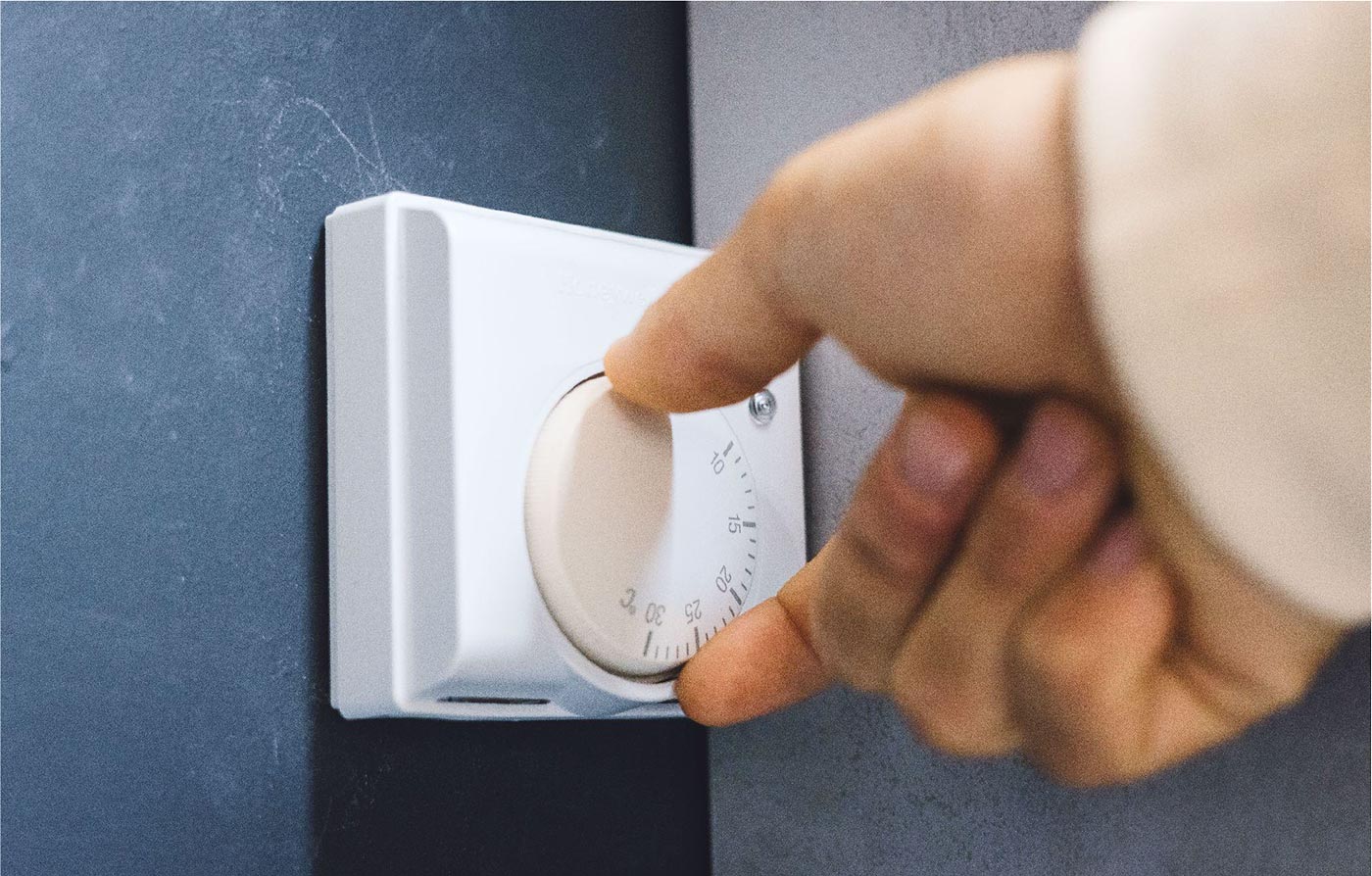
The thermostat’s fan switch matters more during monsoon season than any other time of year. Set to ON, the blower runs constantly, and between cooling cycles it pushes air across a coil still wet with condensation. That moisture evaporates right back into the ductwork, undoing the dehumidifying the system just finished. Set to AUTO, the fan stops with the cooling, the coil drains into the pan, and the water leaves the house for good.
Sticky Air Takes a Toll on a Las Vegas Home
Excess moisture is more than a comfort issue. Humid air holds heat, so a muggy house pushes people to drop the thermostat lower, and every extra degree of cooling during a 110-degree stretch shows up on the power bill. Moisture also settles into the house itself: musty odors in closets, condensation rings on window sills, and swollen door trim in homes from Downtown’s older blocks to newer builds out by Green Valley Ranch, where storm paths off the foothills deliver some of the valley’s heaviest monsoon soakings. Persistent high humidity in house with ac running conditions deserve attention early, since the fix is usually smaller the sooner the cause is found.
Persistent Mugginess Signals a Repair Issue
A sticky evening after a storm crosses Summerlin is weather. A sticky week while the system runs around the clock is a symptom. The dividing line is persistence: humidity that stays high days after the storms pass, condensate lines that have gone dry, or cooling cycles that keep getting shorter. A proper diagnostic measures refrigerant pressure, coil condition, blower output, and cycling behavior together, which is how professional AC diagnostics in Las Vegas separate a settings problem from a mechanical one. Homes where the mugginess concentrates in living spaces rather than garages or attics fit the pattern that residential AC repair visits resolve most often: an undersized correction, a coil cleaning, or a charge adjustment that brings the drying function back.
Indoor Humidity FAQs
What should the humidity be in a house?
The EPA recommends keeping indoor relative humidity below 60 percent, ideally between 30 and 50 percent. A small hygrometer from any hardware store measures it. Las Vegas homes usually sit near the bottom of that range, which is why monsoon spikes above 50 percent feel so noticeable here.
Does AC remove humidity from the air?
It does. The cold indoor coil condenses water vapor out of the air as it cools, and the water drains outside through the condensate line. Dehumidifying is a byproduct of normal cooling, so anything that weakens cooling performance weakens moisture removal along with it.
Why is my AC not removing humidity?
The usual causes are short cycling from an oversized system, a dirty coil, a low refrigerant charge, a blower running too fast, or the thermostat fan locked to ON. Each one either cuts the coil’s condensing power or sends collected moisture back into the ducts. A diagnostic visit identifies which one is at work.
Why does my house feel humid with the AC on?
During monsoon season, incoming moisture can simply outpace a system that is cooling in short bursts. The house reaches the set temperature before much water has condensed on the coil, so the air ends up cool and damp at the same time. Longer, steadier cycles fix the balance.
Should the thermostat fan run on ON or AUTO during monsoon season?
AUTO. The ON setting keeps air moving across a wet coil between cooling cycles, which evaporates the collected moisture back into the home. AUTO lets the coil drain fully after each cycle, so the water the system pulled out actually leaves the house.
The Takeaway on Monsoon Humidity
A muggy Las Vegas house in August has two possible explanations: monsoon moisture briefly outrunning a healthy system, or a cooling system that has quietly lost its ability to dry the air. The first fixes itself when the storms move on. The second announces itself through persistence, short cycles, and dry drain lines, and it deserves a proper diagnosis before the moisture starts costing money in power bills and leaving marks on the house itself.
Pure Plumbing & Air has served Las Vegas Valley homeowners since 2013 and holds Nevada contractor licenses #77906 and #88741.
