

Why is my AC freezing up when it is 112 degrees outside? Homeowners across the valley ask that exact question every July, usually while staring at a copper line wearing a sleeve of ice. It looks impossible. It is not. Ice on an air conditioner has nothing to do with the weather outside and everything to do with what is happening inside the system. Here is what the ice means, how to melt it safely, and when it is time to bring in a technician.
Ice in 110-Degree Heat Is a Warning, Not a Quirk
A frozen ac unit rarely announces itself with the ice first. The early signs show up indoors: the air at the vents turns weak and barely cool, the system runs without stopping, and a puddle appears near the indoor air handler. Look closer and you will find ice on ac unit refrigerant lines, frost creeping across the indoor coil, or a full block of white buildup behind the access panel.
The physics are simple. The indoor coil is supposed to run cold, around 40 degrees, so it can pull heat and moisture out of your air. When something pushes that coil below 32 degrees, the moisture it collects stops dripping into the drain pan and starts freezing onto the coil itself. The ice then blocks airflow, which makes the coil even colder, which builds more ice. Left running, a thin frost becomes a solid block in a matter of hours, and an ac unit frozen solid cannot cool anything.
The Two Causes Behind Every Frozen AC
Nearly every freeze traces back to one of two roots: the coil is not getting enough warm air, or it is not holding enough refrigerant.
Starved airflow
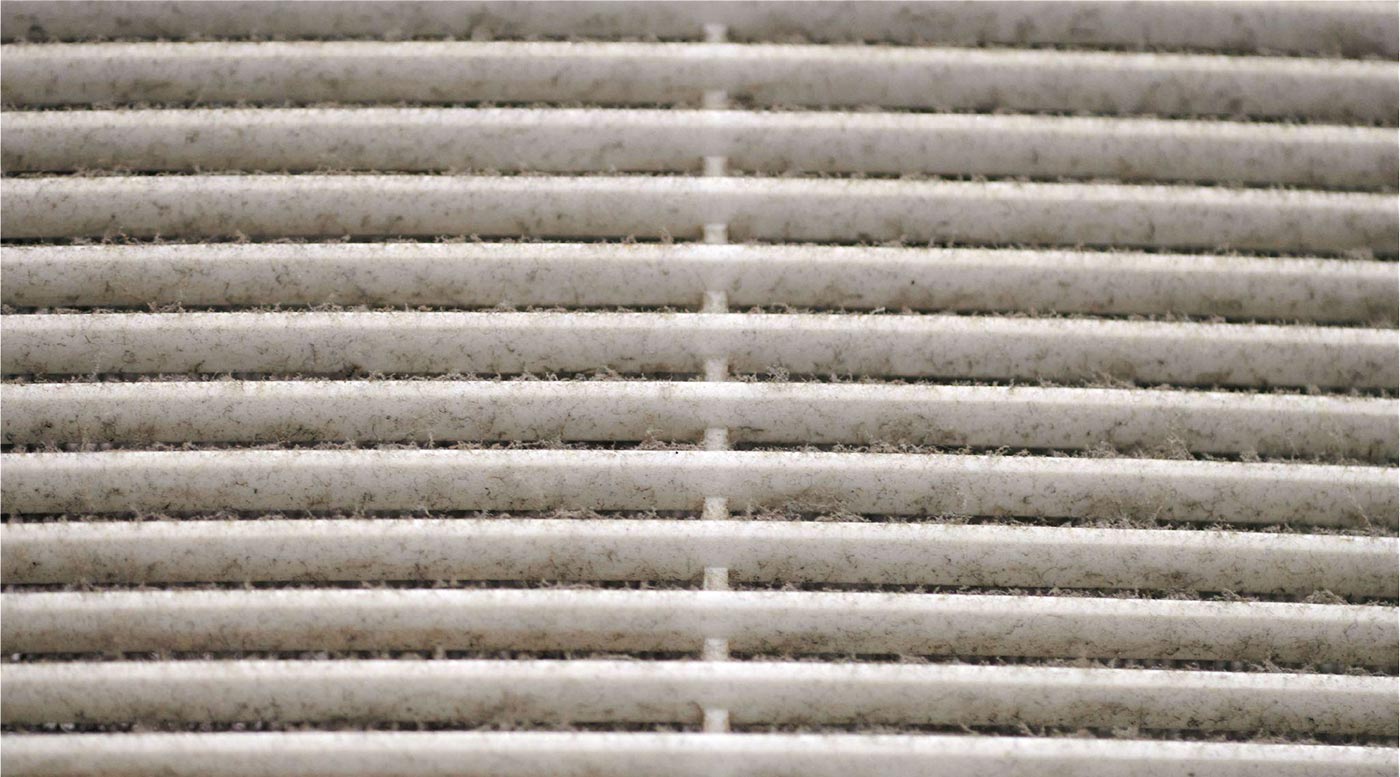
The coil needs a steady river of warm household air moving across it to stay above freezing. Choke that river and the coil plunges. A dust-loaded filter is the number one culprit, and a coil caked in years of fine dust runs close behind, since the buildup insulates the fins and drops a frozen evaporator coil below the frost point. A weakening fan can do the same thing from the mechanical side, which is why airflow testing and blower motor repair are part of every freeze diagnosis. The U.S. Department of Energy’s guide to maintaining your air conditioner puts filter care at the top of the list for exactly this reason: restricted airflow quietly drags down the whole system.
Low refrigerant
Refrigerant pressure and temperature move together. When a slow leak bleeds the charge down, the pressure inside the coil drops, and the coil’s temperature falls with it, sometimes far below freezing. That is why a system can ice over with a brand-new filter and a spotless coil. It is also why a quick top-off is a temporary patch, not a repair. The refrigerant does not get used up in normal operation, so a low charge means the gas escaped somewhere. Add more without sealing the leak and the freeze comes back on a schedule, along with refrigerant lines freezing all the way out to the outdoor unit. Proper evaporator coil repair and leak sealing fix the cause instead of renting time from it.
The Las Vegas twist
This city gives both causes extra help. From July through September, systems here run 12 hours a day or more, so a coil that would coast through a mild climate gets no rest during peak load. Monsoon season stirs in the second ingredient: dust. Storm outflows rolling past Red Rock Canyon and across the 215 Beltway push fine desert grit into every return vent in the northwest valley, and filters that last three months elsewhere clog in four to six weeks here. Add the irrigated lawns and golf turf threaded through Summerlin and Spring Valley, which feed extra moisture into the evening air, and coils in those neighborhoods have more water to freeze the moment airflow slips.
Safe Steps to Thaw a Frozen Air Conditioner
The thaw is the one part a homeowner can handle, and doing it right protects the equipment. Knowing how to unfreeze ac unit ice comes down to patience:
- Turn the cooling off at the thermostat. Running a frozen system strains the compressor, the most expensive part in the machine.
- Switch the fan setting to ON. Warm indoor air moving across the coil melts the ice from the inside out.
- Give it time. A light frost clears in an hour or two. A solid block can take four hours or longer.
- Lay towels around the indoor unit. The melt has to go somewhere, and an overwhelmed drain pan can overflow onto flooring and drywall.
- Never chip at the ice or point a hair dryer at it. Coil fins bend, copper cracks, and a cracked line turns a freeze into a refrigerant leak.
Once the ice is gone, check the filter. If it looks like a lint trap, replace it, run the system, and watch. A one-time freeze with an obviously filthy filter may end there.
Repeat Freezes Call for a Professional Diagnosis
A second freeze changes the story. An ac coil freezing up behind a clean filter points at a low charge, a fouled coil, or a dying blower, and none of those are visible from the hallway. The same goes for hissing sounds near the indoor unit, frost that reaches the outdoor line, or a freeze that returns within days of a thaw. At that point the money-saving move is a real diagnosis, not another thaw cycle. Professional AC repair diagnostics in Las Vegas test refrigerant pressures, airflow, and coil condition together, so the fix lands on the actual cause. For systems that ice over repeatedly, dedicated frozen AC repair service traces the freeze to its root and verifies the repair holds. For systems whose coils have gone years without a cleaning, seasonal AC maintenance that covers the filter, coil, and refrigerant charge heads the freeze off before summer arrives, a step the Department of Energy highlights in the guide linked above.

Frozen AC FAQs
What causes AC units to freeze up most often?
Restricted airflow and low refrigerant cover nearly every case. A clogged filter, a dust-blanketed coil, or a weak blower starves the coil of warm air, while a refrigerant leak drops the coil’s pressure and temperature. Both push the coil below freezing, and the moisture it pulls from your air turns to ice instead of draining away.
What should I do the moment I see ice?
Turn the cooling off, switch the fan to ON, and let the ice melt on its own. Put towels down around the indoor unit to catch the meltwater. Do not chip the ice or apply direct heat, since the coil fins and copper lines damage easily.
Why does my AC keep freezing up even after a filter change?
A repeat freeze behind a clean filter usually means the cause is deeper: a slow refrigerant leak, a coil coated in dust the filter never caught, or a blower losing strength. Each one keeps pushing the coil below freezing no matter how new the filter is, and each needs testing to confirm.
How long does it take a frozen AC to thaw?
Plan on one to four hours with the system off and the fan running, depending on how much ice built up. Heavy blocks can take most of a day. Restarting the cooling before the ice fully clears usually restarts the freeze.
Can I run my AC while it is frozen?
No. A frozen coil blocks airflow and forces the compressor to work against conditions it was never built for, and liquid refrigerant can wash back into the compressor and damage it. Running through a freeze is how a filter-sized problem becomes a compressor-sized bill.
The Takeaway on Summer Ice
Ice on an air conditioner in the middle of a Las Vegas summer is a symptom, not a fluke. Behind it sits one of two fixable causes: starved airflow or a low refrigerant charge, both made worse by the long run times and monsoon dust this valley throws at cooling equipment. A safe thaw, a fresh filter, and a close watch handle a first freeze. A repeat freeze deserves a proper diagnosis before the ice spreads the damage to the compressor or the drywall below the air handler.
Pure Plumbing & Air has served Las Vegas Valley homeowners since 2013 and holds Nevada contractor licenses #77906 and #88741.
